

Are ear tags mandatory for animals? That's a question I often get asked as an ear tag supplier. I've been in this business for quite some time, and I've seen how ear tags play an important role in animal management. So, let's dig into this topic and see what's what.
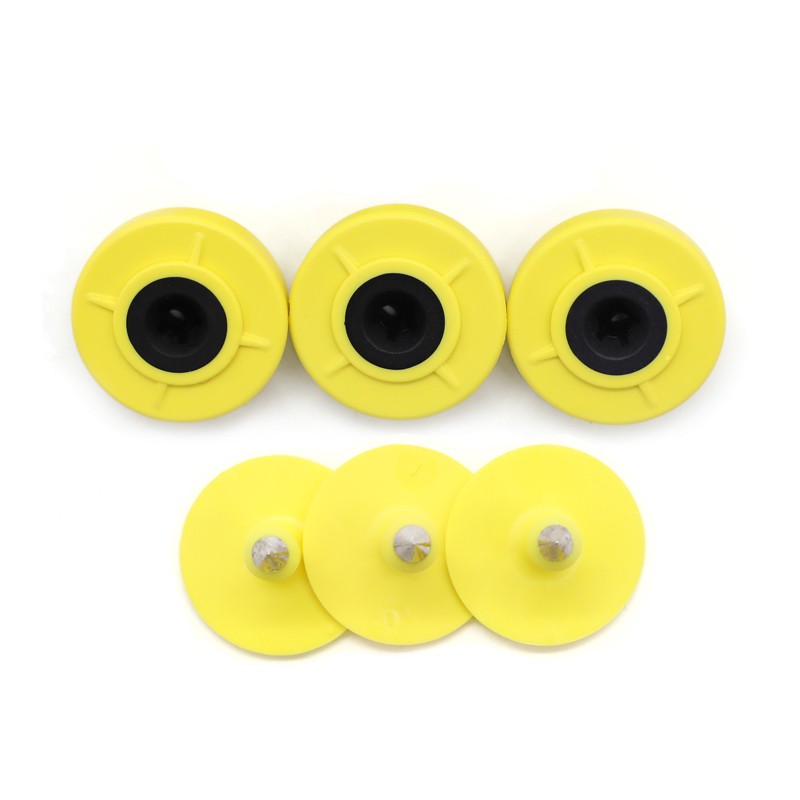
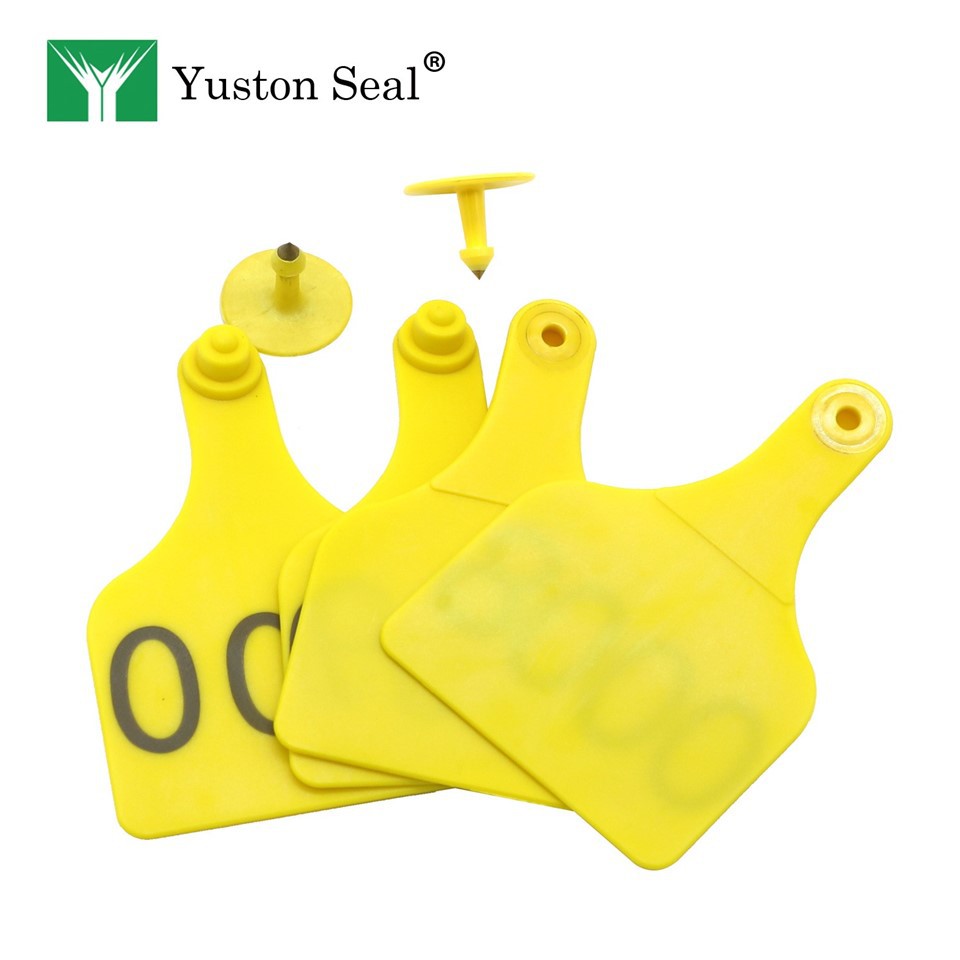
First off, let's talk about what ear tags are. They're small devices that are attached to an animal's ear. You can put all sorts of info on them, like the animal's ID number, the farm it's from, and even some health - related details. It's like a little ID card for the animal.
Now, the big question: are they mandatory? Well, it depends on a few things, mainly the type of animal and the country or region.
Cows and Dairy Cattle
In many countries, ear tags for cows are indeed mandatory. In the European Union (EU), for example, farmers have to use Cow Number Ear Tags to identify each cow from birth. This is part of their animal traceability system. The goal is to keep track of the movement of cows between farms, and if there's an outbreak of a disease, they can quickly figure out where the infected animals came from and where they've been. It's a crucial step in preventing the spread of diseases like foot - and - mouth disease or bovine tuberculosis.
In the United States, the requirements are a bit more complex. The USDA (United States Department of Agriculture) has a National Animal Identification System (NAIS). While it's not fully mandatory for all cattle producers at the moment, some states and specific situations may require ear tagging. For example, if you're moving your cows across state lines, you'll likely need proper identification tags.
Sheep and Goats
When it comes to sheep and goats, the rules also vary. In the UK, there are strict regulations about Sheep And Goat Ear Tags. Every sheep and goat must be tagged with a unique identification number within a short period after birth. This helps with disease control and also in the management of the flock.
In Australia, the National Livestock Identification System (NLIS) requires that all sheep and goats are tagged. This is important for Australian agriculture, as a large part of their economy comes from exporting lamb, mutton, and wool. Accurate identification ensures the quality and safety of their products in the international market.
Pigs
Pigs also have their share of ear - tagging requirements. In some European countries, pig farmers use ear tags to monitor the health and origin of each pig. Similar to cows and sheep, it helps in tracing the animals in case of disease outbreaks. In North America, while not as uniformly mandatory as in some parts of Europe, many commercial pig operations still use ear tags for internal management purposes, like tracking growth rates and breeding cycles.
Why Mandatory Ear Tags Matter
From a scientific and practical perspective, mandatory ear tags are really important. They improve animal health management. When farmers know exactly which animals are sick, they can isolate them quickly, preventing the spread of diseases to the rest of the herd or flock. This not only saves the lives of individual animals but also protects the overall industry.
It also helps in maintaining accurate records. For example, a dairy farmer can keep track of how much milk each cow produces, which helps in evaluating the productivity of the herd. When it comes to breeding, ear tags can help in making informed decisions. Farmers can avoid inbreeding by knowing the genetic background of each animal through their identification.
Disadvantages of Mandatory Ear Tags?
Some farmers might see ear tagging as a hassle. There's the cost of the tags themselves, plus the labor involved in tagging each animal. There could also be concerns about the welfare of the animals. When you put an ear tag on, it can cause a bit of pain and stress. But, modern ear - tagging equipment is designed to minimize this discomfort.
Our Ear Tags: A Great Solution
As an ear tag supplier, I understand these concerns. That's why we offer high - quality Livestock Identification Tags that are easy to use and cause minimal stress to the animals. Our tags are made from durable materials that can withstand the elements and the rough and tumble of farm life. They're also easy to read, whether you're looking at them up close or from a short distance.
We have a wide variety of tags to meet different needs. For cows, we have large, clearly - numbered tags that can handle the size and strength of these big animals. Our sheep and goat tags are smaller and more lightweight, so they're comfortable for the animals to wear. And for pigs, we have tags that are designed to be tough and long - lasting.
Contact Us for Your Ear Tag Needs
If you're a farmer or in the livestock business and are looking for reliable ear tags, we're here for you. Whether you're dealing with cows, sheep, goats, or pigs, we have the right tags for you. Contact us today to discuss your specific requirements and start improving your animal management system. We're always happy to help you find the best solutions for your farm.
References
- European Union, Animal Traceability Regulations
- United States Department of Agriculture (USDA), National Animal Identification System (NAIS)
- United Kingdom, Department for Environment, Food & Rural Affairs (DEFRA), Sheep and Goat Identification Regulations
- Australia, National Livestock Identification System (NLIS) guidelines