

Nylon cable ties, also known as zip ties, are ubiquitous in various industries for their versatility, ease of use, and cost - effectiveness. As a leading nylon cable tie supplier, I often encounter inquiries from customers about the suitability of these ties for corrosive environments. In this blog, we'll delve into the properties of nylon cable ties, assess their performance in corrosive settings, and provide guidance on their proper use.
Understanding Nylon Cable Ties
Nylon is a synthetic polymer that offers a range of desirable characteristics. Nylon cable ties are lightweight, strong, and resistant to abrasion. They come in various sizes, colors, and tensile strengths, making them suitable for a wide array of applications. For example, our Plastic Cable Tie product line provides different options to meet diverse customer needs.
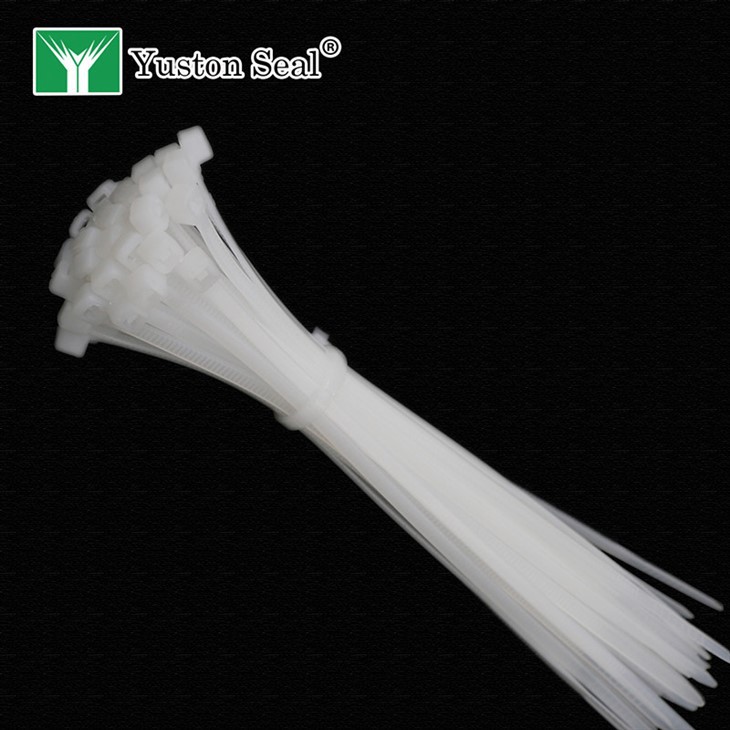
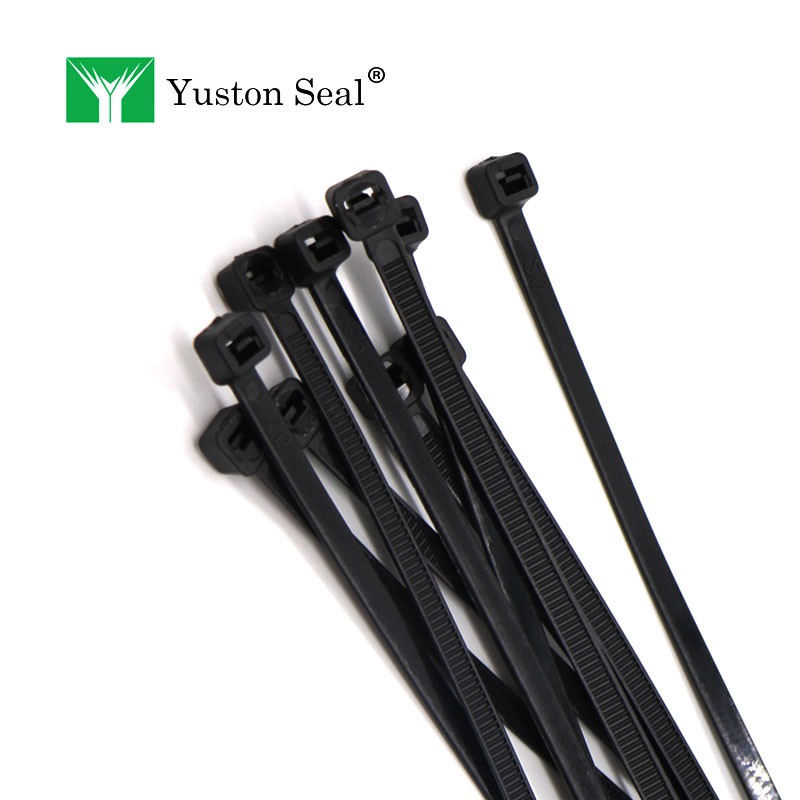
The self - locking mechanism of nylon cable ties is one of their key features. Self Locking Plastic Ties are designed to securely fasten items together with a simple pull - and - lock action. This makes them ideal for bundling cables, wires, and other materials in industrial, commercial, and household settings.
Corrosive Environments: A Challenge for Materials
Corrosive environments are characterized by the presence of chemicals, moisture, and other substances that can cause degradation of materials over time. Common corrosive agents include acids, alkalis, salts, and oxidizing agents. Industries such as chemical processing, marine, and wastewater treatment often operate in highly corrosive conditions.
When a material is exposed to a corrosive environment, it can experience a range of problems, including loss of strength, discoloration, and cracking. These issues can compromise the integrity of the material and lead to failure of the component or system it is part of.
Nylon's Resistance to Corrosion
Nylon has some inherent resistance to corrosion. It is relatively inert to many common chemicals, including water, most organic solvents, and weak acids and alkalis. This makes nylon cable ties suitable for use in mildly corrosive environments. For example, in a typical indoor electrical installation where there is a low risk of exposure to corrosive substances, nylon cable ties can provide long - term reliable service.
However, nylon's resistance to corrosion has its limits. Strong acids and alkalis can react with nylon, causing it to break down. High concentrations of salts, especially in the presence of moisture, can also accelerate the corrosion process. In marine environments, for instance, the high salt content in seawater can cause nylon cable ties to degrade over time.
Factors Affecting Nylon Cable Tie Performance in Corrosive Environments
Several factors can influence how well nylon cable ties perform in corrosive environments:
Chemical Concentration
The concentration of corrosive chemicals in the environment is a critical factor. Higher concentrations of acids, alkalis, or salts are more likely to cause damage to nylon cable ties. For example, a chemical processing plant that handles concentrated sulfuric acid will pose a much greater risk to nylon cable ties than a facility that uses only dilute acids.
Temperature
Temperature can also affect the corrosion rate of nylon. Higher temperatures generally increase the rate of chemical reactions, which means that nylon cable ties are more likely to degrade in hot, corrosive environments. In addition, temperature fluctuations can cause expansion and contraction of the material, which can lead to stress cracking.
Exposure Time
The longer nylon cable ties are exposed to a corrosive environment, the more likely they are to experience damage. Continuous exposure to corrosive substances can gradually wear away the surface of the nylon and weaken its structure.
Moisture
Moisture is a key factor in corrosion processes. Water can act as a solvent for corrosive chemicals, allowing them to penetrate the nylon more easily. In humid or wet environments, the presence of moisture can accelerate the corrosion of nylon cable ties.
Assessing Suitability for Specific Corrosive Environments
Before using nylon cable ties in a corrosive environment, it is important to assess the specific conditions. Consider the type and concentration of corrosive agents, the temperature, and the expected exposure time.
In some cases, nylon cable ties may be suitable with appropriate precautions. For example, if the exposure to corrosive substances is limited in time and concentration, and the environment is relatively dry, nylon cable ties can still be used. However, in more severe corrosive environments, alternative materials may be required.
Protective Measures for Nylon Cable Ties in Corrosive Environments
If nylon cable ties are to be used in a corrosive environment, there are several protective measures that can be taken:
Coating
Applying a protective coating to nylon cable ties can enhance their resistance to corrosion. Coatings can act as a barrier between the nylon and the corrosive environment, preventing direct contact. There are various types of coatings available, including epoxy, polyurethane, and fluoropolymer coatings.
Selection of High - Performance Nylon
Some types of nylon are formulated to have enhanced resistance to corrosion. For example, nylon 6/6 has better chemical resistance than nylon 6 in some applications. When selecting nylon cable ties for use in corrosive environments, it is important to choose a product that is specifically designed for such conditions. Our White Plastic Cable Ties are made from high - quality nylon and can be a good option for certain corrosive applications.
Regular Inspection and Replacement
Regular inspection of nylon cable ties in corrosive environments is essential. Look for signs of damage, such as discoloration, cracking, or loss of strength. If any issues are detected, the cable ties should be replaced immediately to prevent failure.
Case Studies
Let's take a look at some real - world examples to illustrate the performance of nylon cable ties in corrosive environments:
Marine Application
In a marine vessel, nylon cable ties were used to bundle cables in the engine room. The engine room is a challenging environment, with high humidity, saltwater spray, and the presence of various chemicals. Initially, the nylon cable ties performed well. However, after several months of exposure, some of the ties started to show signs of discoloration and loss of flexibility. In this case, a switch to a more corrosion - resistant material or the use of protective coatings would have been advisable.
Chemical Processing Plant
A chemical processing plant used nylon cable ties to secure pipes in a section where the exposure to corrosive chemicals was relatively low. The nylon cable ties were regularly inspected, and after a year of service, they showed only minor signs of wear. This demonstrates that nylon cable ties can be suitable for use in mildly corrosive environments with proper monitoring.
Conclusion
In summary, nylon cable ties can be suitable for use in corrosive environments, but their performance depends on the severity of the corrosion and the specific conditions. Nylon has some inherent resistance to corrosion, but it has its limits. In mildly corrosive environments, nylon cable ties can provide reliable service, especially when appropriate protective measures are taken.
However, in highly corrosive environments, alternative materials may be necessary to ensure long - term performance and safety. As a nylon cable tie supplier, we are committed to providing our customers with high - quality products and expert advice on their use. If you are considering using nylon cable ties in a corrosive environment, we encourage you to contact us for more information. Our team of experts can help you select the right product for your specific needs and provide guidance on how to ensure its optimal performance.
If you are interested in purchasing nylon cable ties or have any questions about their suitability for your application, please feel free to reach out to us. We look forward to discussing your requirements and working with you to find the best solutions.
References
- "Handbook of Polymer Science and Technology"
- "Corrosion Engineering" by Fontana, M. G.
- Industry reports on materials performance in corrosive environments.