

Are Plastic Seals Waterproof?
As a supplier of plastic seals, I often get asked whether our plastic seals are waterproof. This is a crucial question, especially considering the wide range of applications where plastic seals are used. In this blog post, I'll delve into the science behind the waterproof properties of plastic seals, explore their applications, and discuss the factors that influence their waterproof capabilities.
The Science of Plastic Seals and Waterproofing
Plastic seals are typically made from various types of plastics, such as polypropylene, polyethylene, and PVC. These plastics have different chemical and physical properties that determine their waterproof characteristics.
Polypropylene is a popular choice for plastic seals due to its high chemical resistance and low water absorption rate. It forms a tight barrier that prevents water from seeping through. Polyethylene, on the other hand, is known for its flexibility and durability. It can conform to different shapes and surfaces, creating a secure seal that keeps water out. PVC is another commonly used plastic for seals. It has good weather resistance and can withstand exposure to moisture without deteriorating.
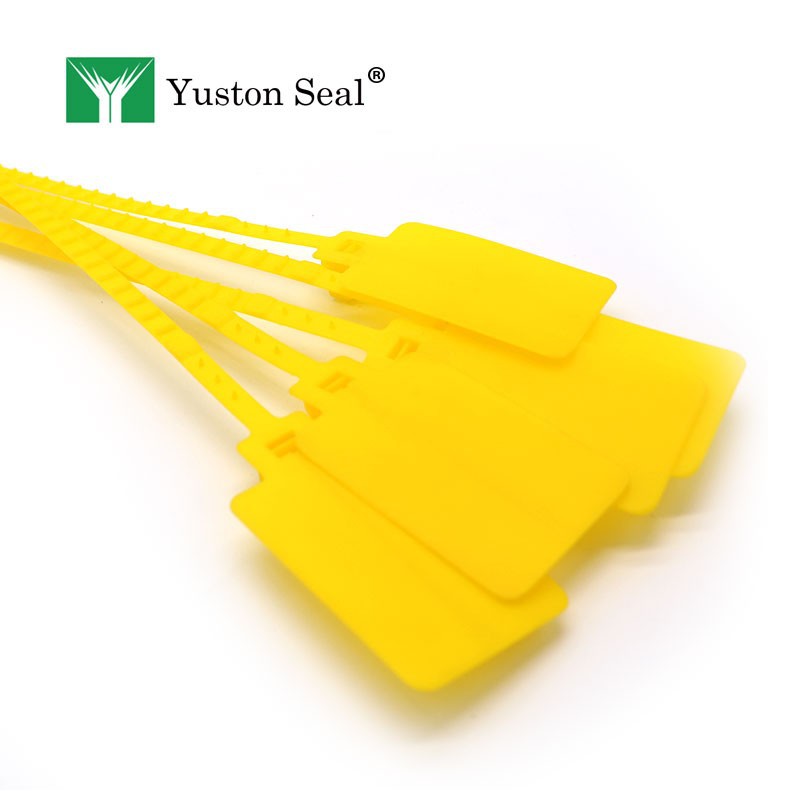
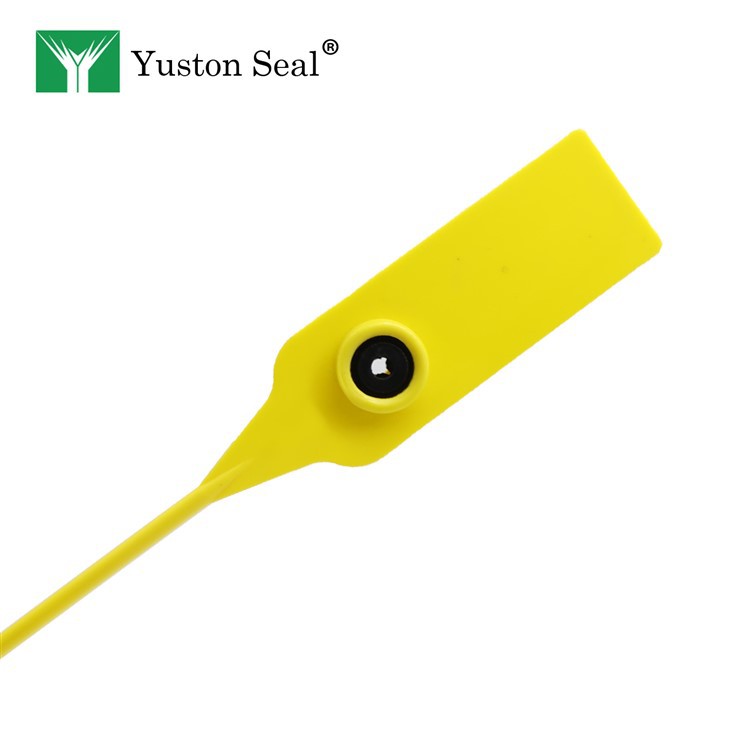
The manufacturing process also plays a significant role in the waterproofing of plastic seals. Injection molding, for example, allows for precise control over the shape and dimensions of the seal. This ensures a tight fit and minimizes the chances of water penetration. Additionally, some plastic seals are coated with special waterproofing agents or treated to enhance their water resistance.
Applications of Waterproof Plastic Seals
Waterproof plastic seals have a wide range of applications across various industries. Here are some common examples:
- Marine Industry: In boats and ships, plastic seals are used to protect electrical connections, hatches, and compartments from water damage. Fire Extinguisher Seal can also be waterproof to ensure that they remain functional in wet conditions.
- Food and Beverage Industry: Plastic seals are used to seal food containers, bottles, and cans to prevent contamination and keep the contents fresh. Waterproof seals are essential in this industry to maintain the quality and safety of the products.
- Electronics Industry: Electronic devices need to be protected from moisture to prevent short circuits and damage. Plastic seals are used to seal connectors, enclosures, and batteries to ensure their proper functioning in humid environments.
- Construction Industry: Plastic seals are used in building structures to seal windows, doors, and joints. Waterproof seals help to prevent water leakage and protect the building from water damage.
Factors Affecting the Waterproofness of Plastic Seals
While plastic seals are generally waterproof, several factors can affect their performance. Here are some key considerations:
- Material Quality: The quality of the plastic used in the seal is crucial. Inferior quality plastics may have higher water absorption rates or may not be as resistant to environmental factors, which can compromise their waterproofness.
- Design and Fit: A well-designed seal that fits properly is more likely to be waterproof. The shape, size, and dimensions of the seal should be carefully selected to ensure a tight and secure fit.
- Environmental Conditions: Extreme temperatures, UV exposure, and chemical exposure can all affect the waterproof properties of plastic seals. For example, prolonged exposure to sunlight can cause the plastic to degrade and lose its water resistance.
- Installation: Proper installation is essential for ensuring the waterproofness of plastic seals. The seal should be installed correctly, following the manufacturer's instructions, to create a tight and effective seal.
Testing the Waterproofness of Plastic Seals
To ensure the quality and reliability of our plastic seals, we conduct various tests to evaluate their waterproof properties. These tests include:
- Immersion Test: The seal is immersed in water for a specified period of time, and the amount of water penetration is measured. This test helps to determine the seal's ability to withstand prolonged exposure to water.
- Pressure Test: The seal is subjected to a specific pressure to simulate real-world conditions. This test helps to evaluate the seal's performance under pressure and ensure that it can maintain its waterproofness.
- Environmental Chamber Test: The seal is placed in an environmental chamber where the temperature, humidity, and other environmental factors can be controlled. This test helps to evaluate the seal's performance under different environmental conditions.
Conclusion
In conclusion, plastic seals can be waterproof, but their performance depends on several factors, including the material quality, design, fit, environmental conditions, and installation. As a supplier of plastic seals, we take great care in selecting the right materials, designing high-quality seals, and conducting rigorous testing to ensure that our products meet the highest standards of waterproofness.
If you're in need of waterproof plastic seals for your specific application, Plastic Seals With Numbers and Plastic Security Seals are among our popular options. We're committed to providing our customers with the best products and services, and we're always happy to discuss your requirements and provide customized solutions.
If you have any questions or would like to discuss your plastic seal needs, please don't hesitate to contact us. We look forward to working with you and helping you find the perfect plastic seal solution for your business.
References
- ASTM International. (2023). Standard Test Methods for Rubber Property - Low - Temperature Brittleness.
- ISO 16750 - 4:2010. Road vehicles -- Electrical and electronic equipment environmental conditions and testing -- Part 4: Climatic loads.
- Plastics Europe. (2023). Polypropylene (PP) - Properties, Applications, Production.