

Hey there! As a supplier of stainless steel ties, I've seen firsthand the many benefits these little guys bring to the table. They're tough, durable, and can withstand all sorts of harsh conditions. But like any product, they've got their limitations too. In this blog post, I'm gonna break down some of the limitations of using stainless steel ties, so you can make an informed decision when it comes to your next project.
1. Cost
Let's start with the obvious one: cost. Stainless steel ties are generally more expensive than their plastic counterparts. The reason? Well, stainless steel is a high - quality material that's resistant to corrosion, heat, and wear. Producing stainless steel ties involves more complex manufacturing processes and higher - grade raw materials.
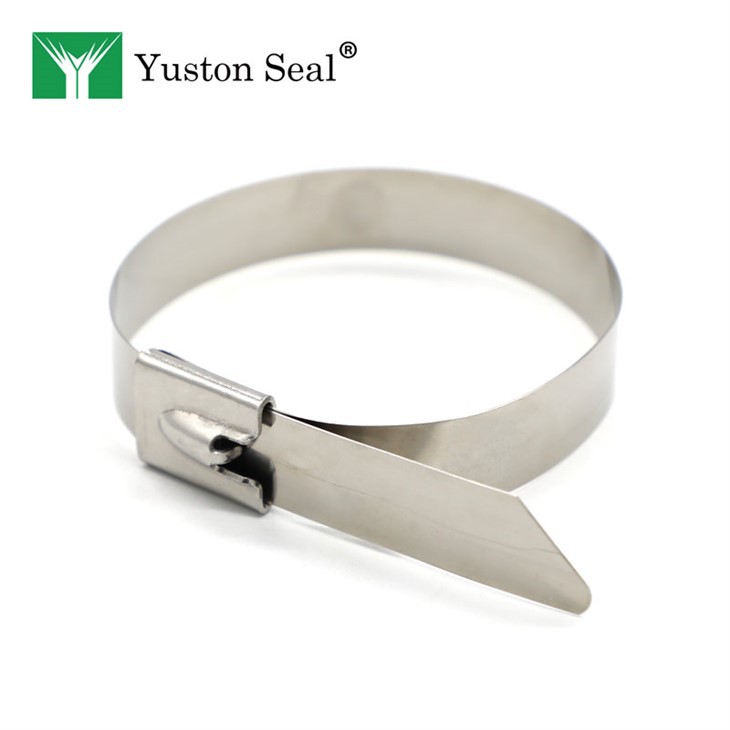
If you're working on a large - scale project where you need a huge number of ties, the cost can really add up. For example, if you're just tying up a few cables in your home office, the extra cost of stainless steel might not be a big deal. But if you're a contractor wiring an entire building, you might be looking at a significant expense. So, if budget is a major concern, you might want to consider other options like plastic cable ties. You can check out our Stainless Steel Cable Ties to get an idea of the price range.
2. Rigidity
Stainless steel is a rigid material, and that can be both a blessing and a curse. On one hand, it gives the ties their strength and durability. But on the other hand, it makes them less flexible compared to plastic ties.
Flexibility is important in some applications. For instance, if you're trying to tie up irregularly shaped objects or if you need to make tight bends around corners, plastic ties are much easier to work with. Stainless steel ties might require more force to bend and shape, and in some cases, you might even risk damaging the tie or the object you're tying.
Imagine you're trying to secure a bundle of hoses that are all different sizes and shapes. A plastic tie can easily conform to the shape of the hoses, but a stainless steel tie might be a struggle. It's something to keep in mind when choosing the right tie for your job.
3. Installation Difficulty
Installing stainless steel ties can be a bit more challenging than installing plastic ones. Plastic ties usually have a simple locking mechanism that you can easily snap into place with your fingers. But stainless steel ties often require special tools for installation.
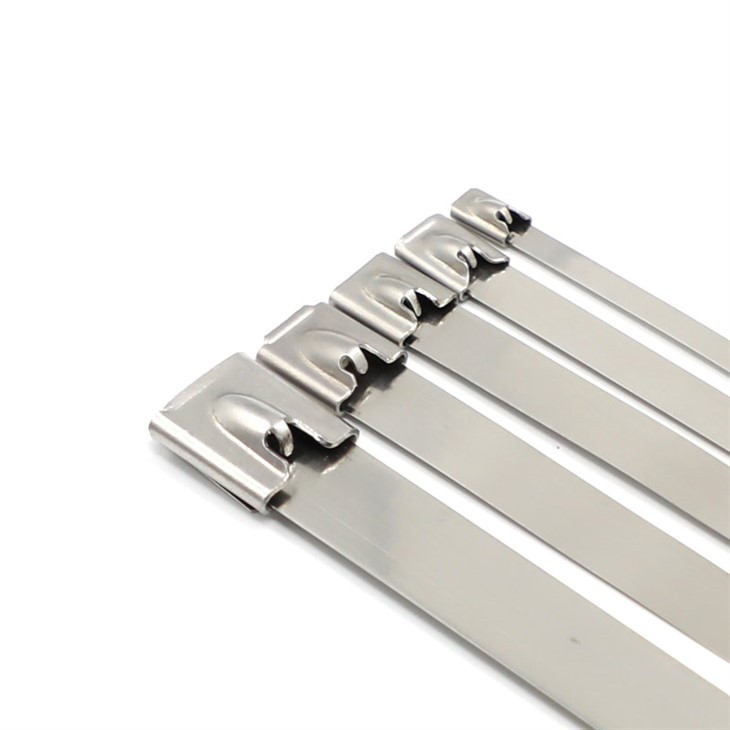
For example, some stainless steel locking wire ties need to be tightened using a specific tool to ensure a proper and secure fit. If you don't have the right tools on hand, it can be difficult to install the ties correctly. And even if you do have the tools, it might take more time and skill to get the job done.
This can be a problem, especially if you're in a hurry or if you're not experienced with using these tools. In contrast, plastic ties can be installed quickly and easily, even by someone with no prior experience. Check out our Stainless Steel Locking Wire Ties to see what kind of installation they might require.
4. Weight
Stainless steel is heavier than plastic, and that can be a drawback in some applications. If you're working on a project where weight is a concern, like in aerospace or automotive industries, the extra weight of stainless steel ties can add up.
For example, in an aircraft, every ounce counts. Using stainless steel ties instead of plastic ones could potentially increase the overall weight of the aircraft, which can have an impact on fuel efficiency and performance. Even in smaller projects, like a portable electronic device, the added weight of stainless steel ties might not be ideal.
So, if you're looking for a lightweight solution, plastic ties might be a better choice. But if strength and durability are your top priorities, then the extra weight of stainless steel might be worth it.
5. Limited Color Options
When it comes to color, stainless steel ties are pretty limited. They usually come in a silver or metallic finish, which might not be suitable for all applications.
In some cases, you might want to use ties for color - coding purposes. For example, in an electrical panel, you might use different colored ties to identify different circuits. With plastic ties, you have a wide range of colors to choose from, making it easy to organize and label your cables. But with stainless steel ties, you're stuck with the standard silver color.
It might not seem like a big deal, but in certain industries where organization and identification are crucial, the lack of color options can be a limitation.
6. Environmental Impact
While stainless steel is a recyclable material, the production process of stainless steel ties can have a relatively high environmental impact compared to plastic ties.
The extraction and processing of stainless steel require a significant amount of energy and resources. Additionally, the manufacturing process can produce emissions and waste. Plastic ties, on the other hand, can be made from recycled materials, and some types of plastic are more easily recyclable than others.
If you're an environmentally - conscious consumer or a company looking to reduce its carbon footprint, you might want to consider the environmental impact of using stainless steel ties.
Conclusion
So, there you have it - the limitations of using stainless steel ties. But don't get me wrong, they're still an excellent choice in many situations. Their strength, durability, and resistance to corrosion make them ideal for applications where other materials just won't cut it.
If you're facing a project that requires a high - strength, long - lasting tie and cost, weight, and flexibility aren't major concerns, then stainless steel ties are definitely worth considering. You can explore our range of Metal Cable Ties to find the right product for your needs.
If you're interested in purchasing stainless steel ties for your project, I'd love to talk to you. Whether you have questions about the products, need help choosing the right type of tie, or want to discuss pricing and bulk orders, feel free to reach out. We're here to help you make the best decision for your project.
References
- "Materials Science and Engineering: An Introduction" by William D. Callister Jr. and David G. Rethwisch
- Industry reports on cable tie manufacturing and applications