

As a supplier of bolt seals, I've often been asked about the regulations surrounding these essential security devices. Bolt seals are widely used in various industries, especially in the transportation and logistics sectors, to secure containers, trucks, and other valuable assets. In this blog post, I'll delve into the different regulations that govern bolt seals, why they are important, and how they impact our business as a supplier.
The Importance of Regulations for Bolt Seals
Regulations for bolt seals serve multiple crucial purposes. Firstly, they ensure the security of goods during transit. By setting standards for the strength, durability, and tamper - evidence of bolt seals, regulations help prevent unauthorized access to containers and cargo. This is vital for protecting high - value goods, sensitive materials, and even dangerous substances from theft, tampering, or contamination.
Secondly, regulations promote consistency and interoperability. In the global trade environment, different countries and regions may have their own requirements for security measures. Standardized regulations for bolt seals make it easier for businesses to comply with the various rules across different markets, facilitating seamless international trade.
Finally, regulations enhance trust in the supply chain. When customers know that bolt seals meet specific regulatory standards, they can have more confidence in the security of their shipments. This trust is essential for maintaining long - term business relationships and ensuring the smooth flow of goods.
International Regulations
ISO Standards
The International Organization for Standardization (ISO) has developed several standards related to security seals, including those applicable to bolt seals. ISO 17712 is perhaps the most well - known standard in this area. It classifies security seals into three categories: indicative seals, security seals, and high - security seals.
Bolt seals often fall into the category of high - security seals. ISO 17712 specifies requirements for the design, construction, and testing of these seals. For example, high - security seals must be resistant to unauthorized opening without leaving visible evidence of tampering. They should also have a unique identification number that can be easily recorded and tracked.
Complying with ISO 17712 is crucial for bolt seal suppliers like us. It not only demonstrates the quality and security of our products but also allows our customers to meet international trade requirements. Many major shipping lines, ports, and customs authorities around the world recognize and require compliance with ISO 17712 for container security.
Customs - Trade Partnership Against Terrorism (C - TPAT)
In the United States, the Customs - Trade Partnership Against Terrorism (C - TPAT) is an important initiative that affects bolt seal regulations. C - TPAT is a voluntary program that aims to enhance the security of the supply chain by partnering with businesses.
Companies participating in C - TPAT are required to use high - quality security seals, including bolt seals, to secure their shipments. These seals must meet certain criteria, such as being tamper - evident and having a unique identification. C - TPAT encourages the use of seals that can withstand various forms of attack and provide clear evidence of any unauthorized access.
As a bolt seal supplier, we ensure that our products meet the C - TPAT requirements. This allows our customers, who are part of the C - TPAT program, to maintain their compliance and continue to enjoy the benefits of the partnership, such as expedited customs clearance.
Industry - Specific Regulations
Food and Pharmaceutical Industries
In the food and pharmaceutical industries, strict regulations govern the use of bolt seals. These industries deal with products that are directly related to public health and safety. Therefore, the security of the supply chain is of utmost importance.
Bolt seals used in these industries must be made of materials that are non - toxic and do not contaminate the products. They should also be able to withstand different environmental conditions, such as temperature and humidity variations, without compromising their integrity.
For example, in the pharmaceutical industry, seals may need to be compliant with Good Manufacturing Practice (GMP) regulations. These regulations ensure that the entire production and distribution process, including the use of security seals, is carried out in a way that maintains the quality and safety of the drugs.
Chemical and Hazardous Materials Transportation
When it comes to transporting chemical and hazardous materials, additional regulations apply to bolt seals. These materials pose a significant risk to the environment and public safety if they are mishandled or stolen.
Bolt seals used in this industry must be able to withstand the corrosive effects of certain chemicals. They should also provide a high level of security to prevent unauthorized access to the hazardous substances. Regulatory bodies such as the Department of Transportation (DOT) in the United States have specific requirements for the security of hazardous material shipments, including the use of appropriate bolt seals.
Our Role as a Bolt Seal Supplier
As a supplier of bolt seals, we play a crucial role in ensuring that our products comply with all relevant regulations. We invest in research and development to continuously improve the design and performance of our bolt seals. Our manufacturing processes are carefully monitored to ensure that each seal meets the required standards.
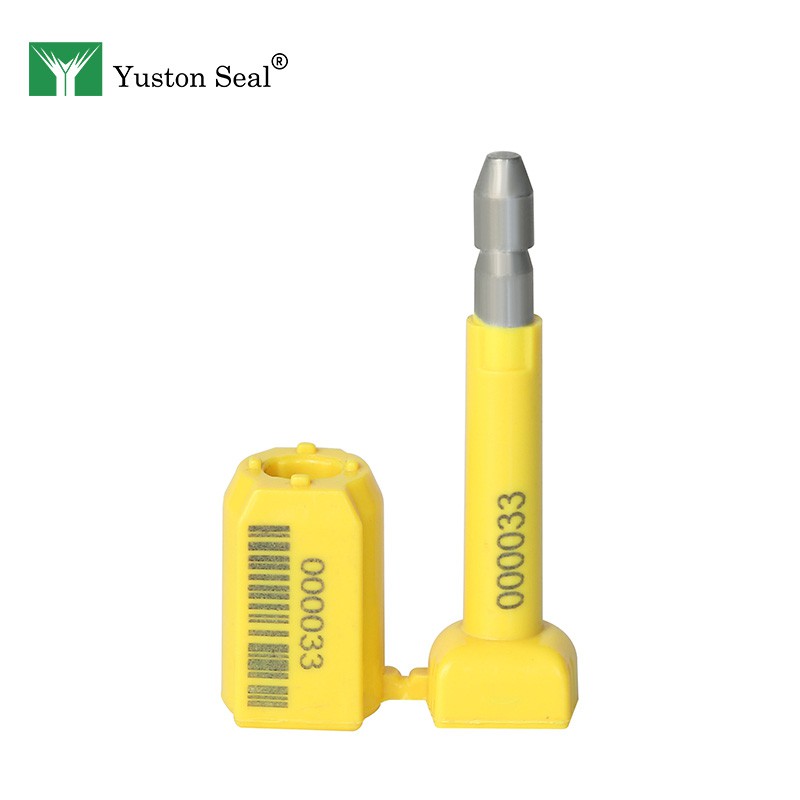
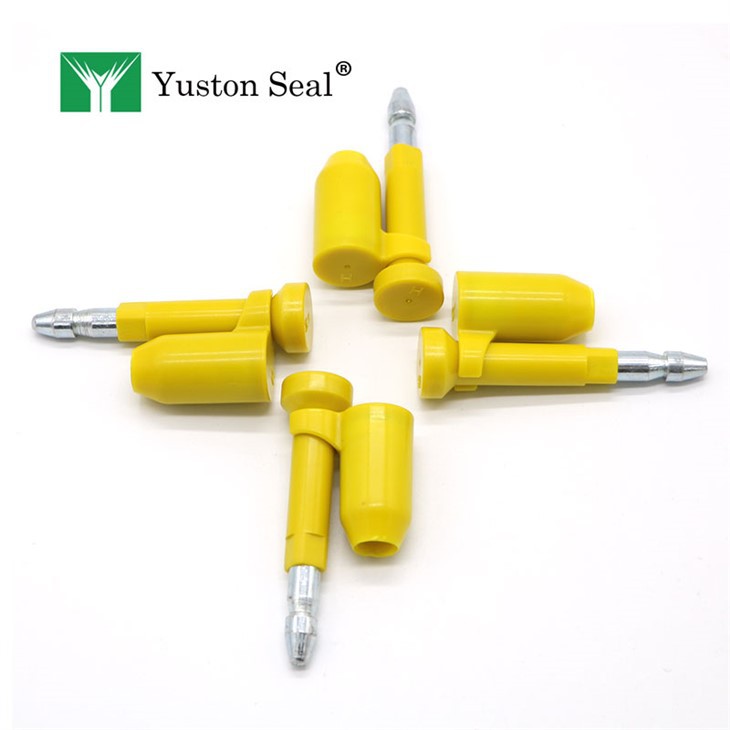
We offer a wide range of bolt seals to meet the diverse needs of our customers. For example, our Metal Bullet Container Seal is made of high - quality metal, providing excellent strength and durability. It is suitable for securing large containers and is compliant with ISO 17712 high - security seal requirements.
Our Bullet Seal For Container is another popular product. It is designed to be easy to install and remove, while still providing a high level of security. This seal is also tamper - evident, making it ideal for use in various industries.
We also have a basic yet reliable Bullet Seal that can be used for less demanding applications. However, even this seal is manufactured to meet the minimum regulatory requirements.
Impact of Regulations on Our Business
The regulations regarding bolt seals have both positive and negative impacts on our business. On the positive side, they create a level playing field in the market. By setting clear standards, regulations ensure that all suppliers are held accountable for the quality and security of their products. This encourages healthy competition and drives innovation in the industry.
Compliance with regulations also helps us build a good reputation. Customers are more likely to choose a supplier that can demonstrate that its products meet international and industry - specific standards. This has allowed us to expand our customer base and enter new markets.
On the negative side, meeting regulatory requirements can be costly. We need to invest in testing equipment, quality control systems, and staff training to ensure compliance. These costs are sometimes passed on to the customers, which can make our products slightly more expensive compared to non - compliant alternatives. However, we believe that the long - term benefits of compliance, such as customer trust and market access, outweigh the short - term costs.
Conclusion
In conclusion, there are indeed many regulations regarding bolt seals. These regulations are essential for ensuring the security of goods, promoting international trade, and protecting public health and safety. As a bolt seal supplier, we are committed to complying with all relevant regulations and providing our customers with high - quality, compliant products.
If you are in the market for bolt seals and have specific regulatory requirements, we would be more than happy to assist you. Our team of experts can help you choose the right bolt seal for your needs and ensure that it meets all the necessary standards. Contact us today to start a discussion about your bolt seal procurement requirements.
References
- International Organization for Standardization (ISO). ISO 17712:2013. Security seals — Classification.
- U.S. Customs and Border Protection. Customs - Trade Partnership Against Terrorism (C - TPAT).
- Department of Transportation (DOT). Regulations for the transportation of hazardous materials.
- Good Manufacturing Practice (GMP) guidelines for the pharmaceutical industry.