

Can Bolt Seals Be Used on Oil Tankers?
As a supplier of bolt seals, I often encounter questions from clients in various industries about the suitability of our products for different applications. One of the most common inquiries is whether bolt seals can be used on oil tankers. In this blog post, I'll explore this topic in detail, discussing the advantages, challenges, and best practices of using bolt seals on oil tankers.
Advantages of Using Bolt Seals on Oil Tankers
Bolt seals offer several significant advantages when it comes to securing oil tankers. First and foremost, they provide a high level of security. Bolt seals are designed to be tamper - evident. Once installed, any attempt to remove or tamper with the seal will leave visible signs, such as broken seals or markings. This is crucial for oil tankers, which transport valuable and potentially hazardous cargo. By using bolt seals, oil tanker operators can ensure that the integrity of the cargo is maintained throughout the transit process.
Another advantage is the durability of bolt seals. Oil tankers operate in harsh environments, including exposure to extreme temperatures, saltwater, and various chemicals. High - quality bolt seals are made from robust materials such as stainless steel or high - strength plastics, which can withstand these harsh conditions. For example, stainless - steel bolt seals are resistant to corrosion, ensuring that they remain intact and functional even after long - term exposure to the elements.
In addition, bolt seals are relatively easy to install. This means that oil tanker crew members can quickly and efficiently seal the tanker hatches, valves, or other access points. The simplicity of installation also reduces the risk of human error, ensuring that the seals are properly applied and provide the intended level of security.
Challenges of Using Bolt Seals on Oil Tankers
While bolt seals offer many advantages, there are also some challenges associated with their use on oil tankers. One of the main challenges is the need for proper inspection and maintenance. Over time, bolt seals may become damaged or worn due to the harsh operating conditions. Regular inspections are necessary to identify any signs of damage or tampering. If a damaged seal is not replaced promptly, it may compromise the security of the tanker and the cargo.
Another challenge is the potential for false alarms. In some cases, normal wear and tear or environmental factors may cause the seal to appear damaged or tampered with, even when there has been no actual security breach. This can lead to unnecessary investigations and delays in the tanker's operations.
Furthermore, the selection of the appropriate bolt seal for an oil tanker is crucial. Different types of bolt seals have different levels of security and durability. For example, High Security Truck Seals may offer a higher level of protection but may also be more expensive. Oil tanker operators need to balance the cost and the level of security required for their specific operations.
Best Practices for Using Bolt Seals on Oil Tankers
To overcome the challenges and maximize the benefits of using bolt seals on oil tankers, several best practices should be followed. First, it is essential to choose the right type of bolt seal. Consider the specific requirements of the tanker, such as the level of security needed, the environmental conditions, and the type of cargo being transported. For example, if the tanker is transporting highly flammable oil, a more secure and durable bolt seal may be required.
Second, establish a regular inspection and maintenance schedule. Inspect the bolt seals before and after each voyage to ensure that they are in good condition. Replace any damaged or worn seals immediately. Keep a detailed record of all inspections and seal replacements, which can be useful for auditing and compliance purposes.
Third, train the tanker crew on the proper installation and handling of bolt seals. Ensure that they understand the importance of using the seals correctly and how to identify signs of tampering. This will help to minimize the risk of human error and ensure the effectiveness of the security measures.
Applications of Different Types of Bolt Seals on Oil Tankers
There are various types of bolt seals that can be used on oil tankers, each with its own unique features and applications. Container Seal is a common type of bolt seal that can be used to secure the access points of oil tanker containers. These seals are typically made of high - strength materials and are designed to provide a reliable and tamper - evident closure.
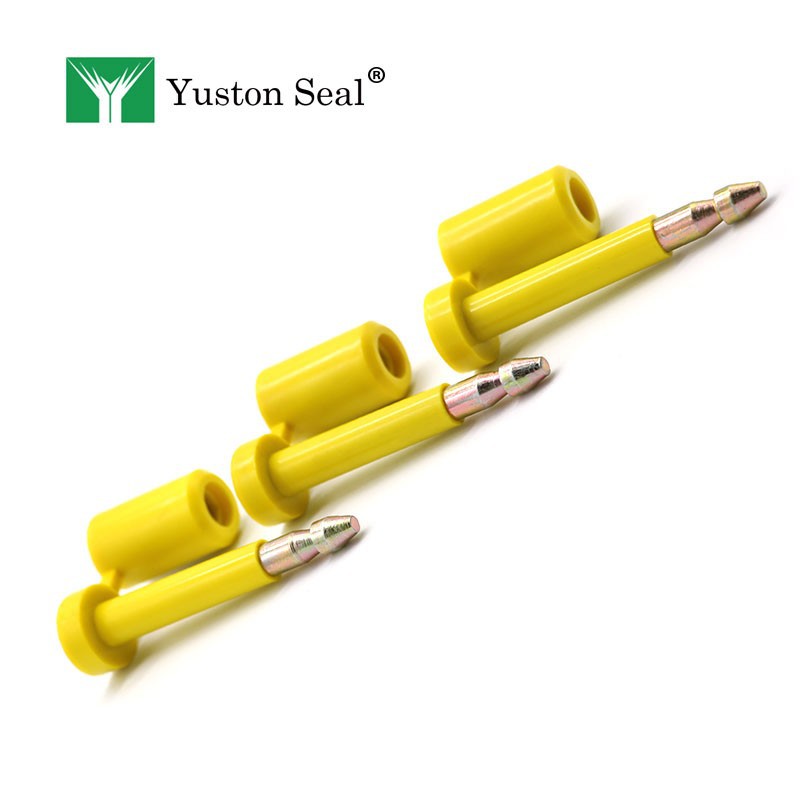
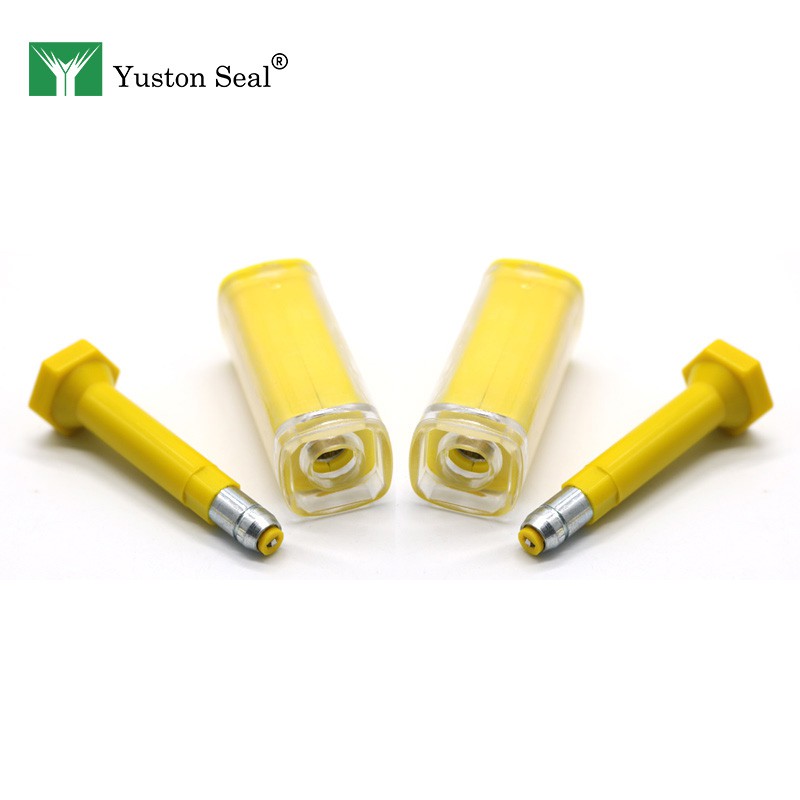
Container Bolt Seal Lock is another option. These locks offer an additional level of security by providing a locking mechanism in addition to the bolt seal. They are often used for high - value or high - risk cargo on oil tankers.
Conclusion
In conclusion, bolt seals can be effectively used on oil tankers to enhance security and protect the valuable and potentially hazardous cargo. While there are some challenges associated with their use, such as the need for proper inspection and maintenance, these can be overcome by following best practices. By choosing the right type of bolt seal, establishing a regular inspection schedule, and training the crew, oil tanker operators can ensure the integrity of their cargo and the safety of their operations.
If you are an oil tanker operator or involved in the transportation of oil, and you are interested in learning more about our bolt seals or discussing your specific security needs, please feel free to contact us. We are committed to providing high - quality bolt seals and excellent customer service to meet your requirements.
References
- "Marine Cargo Security Handbook", International Maritime Organization.
- "Best Practices for Securing Oil Tankers", American Petroleum Institute.