

Can cable seals be used for locking containers? That's a question I get asked a lot as a cable seal supplier. And the answer is a resounding yes! In this blog, I'm gonna break down why cable seals are a great option for locking containers, the different types available, and how they stack up against other sealing methods.
First off, let's talk about what cable seals are. They're basically a type of security seal that consists of a cable and a locking mechanism. The cable is usually made of steel or another strong material, and it can be threaded through the container's locking points. Once the cable is in place, the locking mechanism is engaged, and it can't be removed without breaking the seal. This provides a high level of security and tamper evidence, which is crucial when you're transporting valuable or sensitive goods.
One of the biggest advantages of using cable seals for locking containers is their flexibility. Unlike traditional padlocks or bolt seals, cable seals can be adjusted to fit different sizes and shapes of containers. This means you can use the same type of seal for a variety of containers, which can save you time and money. For example, if you're shipping a mix of small and large containers, you can use Adjustable Cable Seals that can be easily adjusted to fit each container's specific requirements.
Another advantage of cable seals is their strength. The steel cables used in most cable seals are incredibly strong and can withstand a lot of force. This makes them resistant to cutting, pulling, and other forms of tampering. For high-security applications, you might want to consider Steel Cable Seal, which are designed to provide even greater strength and security. These seals are often used in industries such as transportation, logistics, and finance, where the protection of valuable goods is of utmost importance.
Cable seals also offer excellent tamper evidence. Once a cable seal is broken, it's obvious that someone has tried to access the container. This can be a deterrent to potential thieves and can also help you identify if there has been any unauthorized access during transit. For example, if you notice that a cable seal is broken when you receive a container, you can immediately investigate the situation and take appropriate action.
Now, let's talk about the different types of cable seals available. There are several options to choose from, each with its own unique features and benefits.
One popular type is the Hexagonal Cable Seal. These seals have a hexagonal-shaped locking mechanism that provides a high level of security. The hexagonal shape makes it difficult to tamper with the seal using common tools, and it also provides a clear visual indication if the seal has been broken.
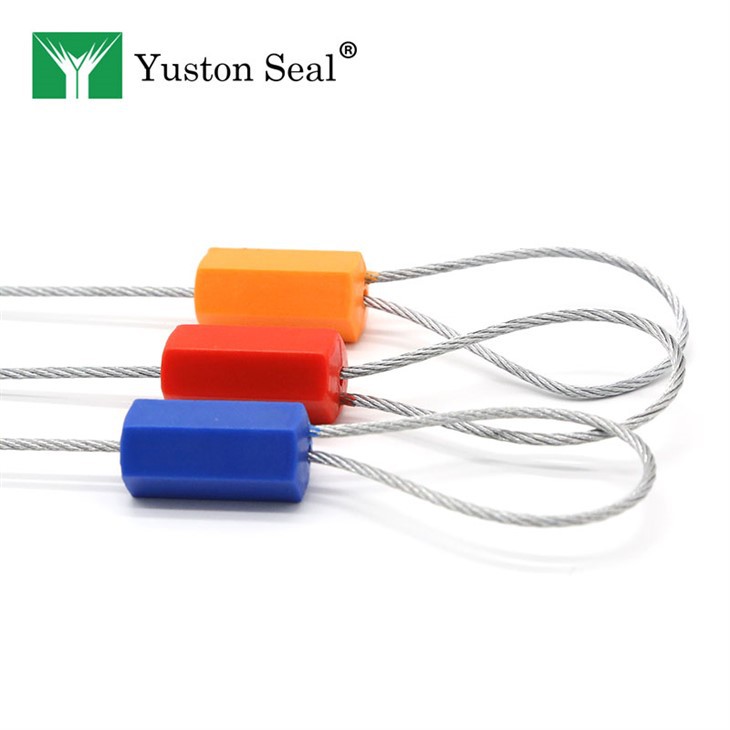
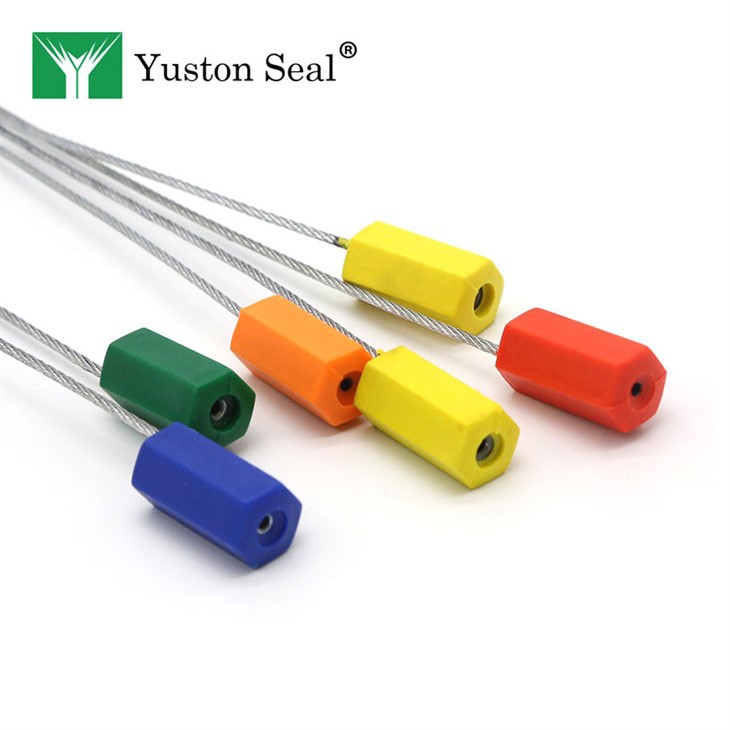
Another type is the plastic cable seal. These seals are more affordable and lightweight than steel cable seals, making them a good option for low-security applications. They're also available in a variety of colors, which can be useful for color-coding different containers or shipments.
There are also cable seals with different locking mechanisms, such as bullet seals and bolt seals. Bullet seals are designed to be inserted into a container's locking point and then locked in place with a bullet-shaped mechanism. Bolt seals, on the other hand, use a bolt to secure the cable in place. Both types of seals provide a high level of security and are commonly used in the transportation and logistics industries.
So, how do cable seals compare to other sealing methods? Well, let's take a look at some of the most common alternatives.
Padlocks are a traditional option for locking containers, but they have some limitations. For one, they're not as flexible as cable seals. You need to find a padlock that fits the container's locking points, which can be a challenge if you're dealing with different sizes and shapes of containers. Padlocks also don't provide the same level of tamper evidence as cable seals. It's possible to pick a padlock without leaving obvious signs of tampering, which can make it difficult to detect if someone has accessed the container.
Bolt seals are another option, but they can be more expensive and difficult to install than cable seals. Bolt seals require a special tool to install, and they can be time-consuming to remove. Cable seals, on the other hand, are easy to install and remove, and they don't require any special tools.
In conclusion, cable seals are a great option for locking containers. They're flexible, strong, and offer excellent tamper evidence. With a variety of types and styles available, you can find the perfect cable seal to meet your specific needs. Whether you're shipping valuable goods, sensitive information, or just need to secure your containers during transit, cable seals are a reliable and cost-effective solution.
If you're interested in learning more about our cable seals or would like to place an order, please don't hesitate to reach out. We're here to help you find the best sealing solution for your business. Contact us today to start the conversation and let's work together to keep your containers secure.
References
- General knowledge of cable seal technology and industry practices.