

Cable seals are essential components in various industries, serving as a reliable means to secure and identify cables, containers, and other items. As a cable seal supplier, I often receive inquiries about the suitability of cable seals for use in hazardous areas. In this blog post, I will explore the question of whether cable seals can be used in hazardous areas, examining the factors that need to be considered and the types of cable seals that are appropriate for such environments.
Understanding Hazardous Areas
Before delving into the use of cable seals in hazardous areas, it is important to understand what constitutes a hazardous area. Hazardous areas are locations where there is a risk of explosion or fire due to the presence of flammable gases, vapors, dusts, or fibers. These areas are typically classified into different zones based on the likelihood and duration of the presence of the hazardous substances.
The most common classification system for hazardous areas is the International Electrotechnical Commission (IEC) system, which divides hazardous areas into zones 0, 1, and 2 for gas and vapor atmospheres, and zones 20, 21, and 22 for dust atmospheres. Zone 0 is the most hazardous, with a continuous or long-term presence of a flammable gas or vapor, while zone 2 is the least hazardous, with an occasional or short-term presence of a flammable gas or vapor.
Factors to Consider
When determining whether cable seals can be used in hazardous areas, several factors need to be considered. These factors include the type of hazardous substance present, the classification of the hazardous area, the material and construction of the cable seal, and the compliance with relevant safety standards.
- Type of Hazardous Substance: Different hazardous substances have different properties and require different levels of protection. For example, some flammable gases are more explosive than others, and some dusts are more combustible than others. The type of hazardous substance present will determine the type of cable seal that is appropriate for use in the area.
- Classification of the Hazardous Area: The classification of the hazardous area will also determine the type of cable seal that is appropriate for use. Cable seals that are suitable for use in zone 2 may not be suitable for use in zone 0 or 1. It is important to select cable seals that are specifically designed and tested for use in the relevant hazardous area classification.
- Material and Construction of the Cable Seal: The material and construction of the cable seal are also important factors to consider. Cable seals that are made from non-metallic materials, such as plastic or nylon, are generally less likely to generate sparks or static electricity, which can be a potential ignition source in hazardous areas. Additionally, cable seals that are designed to be tamper-evident or resistant to environmental factors, such as moisture and chemicals, may be more suitable for use in hazardous areas.
- Compliance with Relevant Safety Standards: Cable seals that are used in hazardous areas must comply with relevant safety standards, such as the IEC 60079 series of standards for electrical equipment in explosive atmospheres. These standards specify the requirements for the design, testing, and certification of cable seals for use in hazardous areas. It is important to ensure that the cable seals you select are compliant with the relevant safety standards.
Types of Cable Seals for Hazardous Areas
There are several types of cable seals that are suitable for use in hazardous areas. These include:
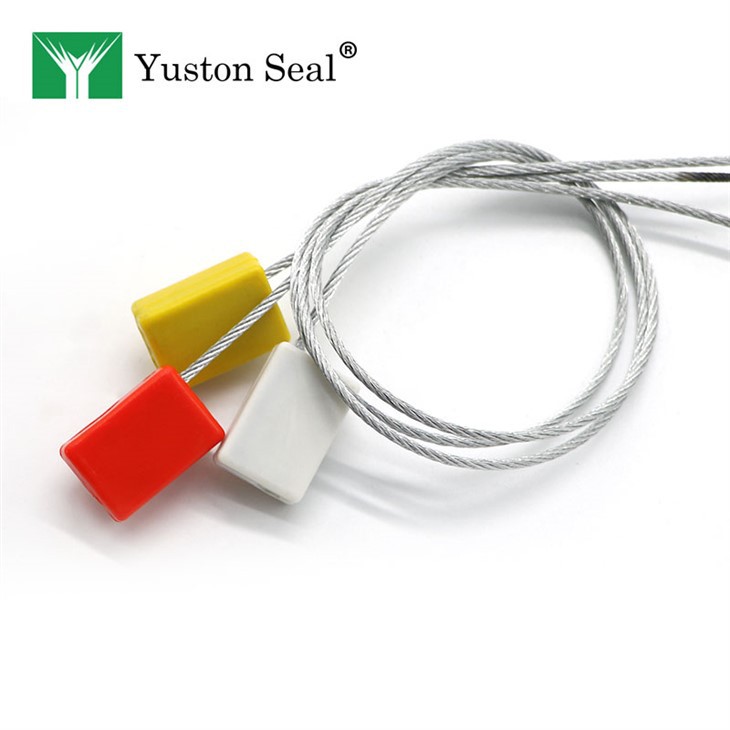
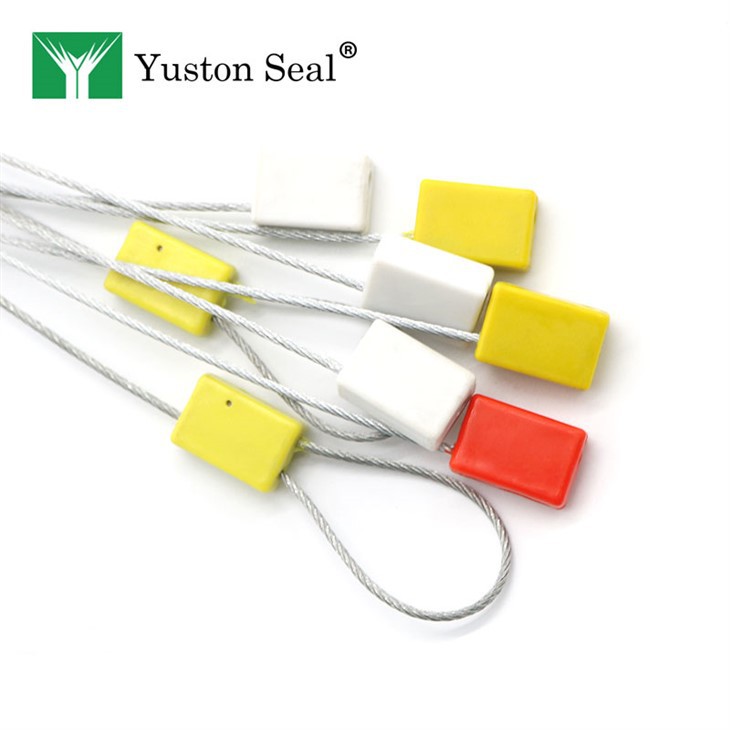
- Non-Metallic Cable Seals: Non-metallic cable seals, such as plastic or nylon cable seals, are generally less likely to generate sparks or static electricity, making them a suitable choice for use in hazardous areas. These cable seals are also often resistant to environmental factors, such as moisture and chemicals, which can be beneficial in hazardous areas. Truck Cable Seals are an example of non-metallic cable seals that can be used in hazardous areas.
- Metal Cable Seals: Metal cable seals, such as stainless steel or aluminum cable seals, can also be used in hazardous areas, provided that they are designed and tested to prevent the generation of sparks or static electricity. These cable seals are often more durable and resistant to tampering than non-metallic cable seals, making them a suitable choice for use in high-security applications. Metal Cable Seals are an example of metal cable seals that can be used in hazardous areas.
- Explosion-Proof Cable Seals: Explosion-proof cable seals are specifically designed and tested to prevent the ignition of flammable gases or vapors in hazardous areas. These cable seals are typically made from materials that are resistant to explosion and are designed to contain any potential explosion within the seal. Explosion-proof cable seals are often used in applications where the risk of explosion is high, such as in oil and gas refineries or chemical plants.
- Tamper-Evident Cable Seals: Tamper-evident cable seals are designed to provide visible evidence of tampering or unauthorized access. These cable seals are often used in applications where security is a concern, such as in the transportation of valuable goods or in the protection of sensitive equipment. Tamper-evident cable seals can be made from a variety of materials, including plastic, metal, and fiber, and can be designed to be resistant to environmental factors, such as moisture and chemicals. 5.0mm Cable Seal is an example of a tamper-evident cable seal that can be used in hazardous areas.
Conclusion
In conclusion, cable seals can be used in hazardous areas, provided that they are selected and installed correctly. When choosing cable seals for use in hazardous areas, it is important to consider the type of hazardous substance present, the classification of the hazardous area, the material and construction of the cable seal, and the compliance with relevant safety standards. By selecting the appropriate cable seals and following the relevant safety guidelines, you can ensure the safe and reliable operation of your equipment in hazardous areas.
If you are interested in learning more about cable seals for use in hazardous areas or would like to discuss your specific requirements, please do not hesitate to contact us. Our team of experts is available to provide you with the information and support you need to make the right choice for your application.
References
- International Electrotechnical Commission (IEC). (2014). IEC 60079 series of standards for electrical equipment in explosive atmospheres.
- National Fire Protection Association (NFPA). (2012). NFPA 70: National Electrical Code.
- Occupational Safety and Health Administration (OSHA). (2012). 29 CFR 1910.106: Flammable and combustible liquids.