

As a supplier of Security Meter Seals, I often receive inquiries about the application of our products, especially regarding the use of security meter seals on gas meters. This topic is not only crucial for utility providers but also for end - users, as it relates to the safety, accuracy, and integrity of gas consumption measurement.
The Importance of Sealing Gas Meters
Gas meters are essential devices that measure the amount of gas consumed by a household or business. They play a vital role in ensuring accurate billing and preventing unauthorized access or tampering. Tampering with a gas meter can lead to inaccurate readings, which can result in financial losses for the utility company and unfair billing for consumers. Moreover, unauthorized access to gas meters can pose serious safety risks, such as gas leaks, which can lead to explosions or fires.
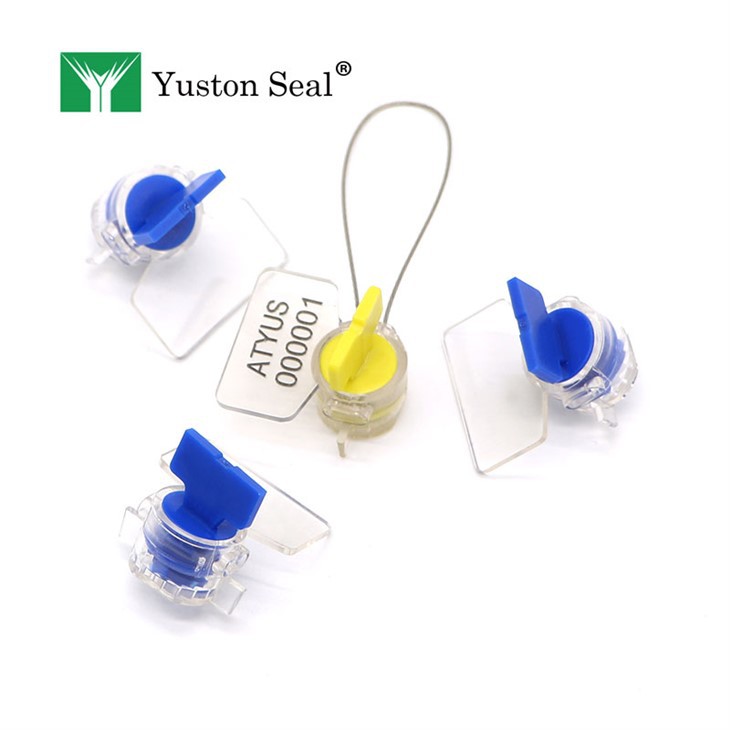
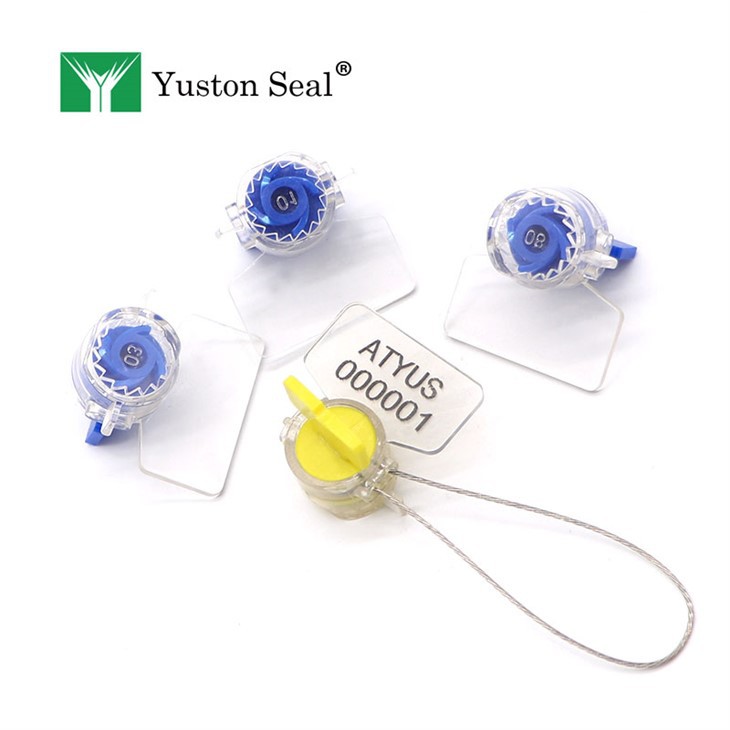
Security meter seals are designed to provide a visible indication of tampering. Once a seal is applied to a gas meter, any attempt to open or manipulate the meter will break the seal, leaving an obvious sign that the meter has been tampered with. This helps to deter potential tampering and provides evidence in case of an investigation.
Can Security Meter Seals Be Used on Gas Meters?
The short answer is yes. Security meter seals can and should be used on gas meters. In fact, many utility companies around the world already use various types of security seals on their gas meters to protect against tampering.
There are several types of security meter seals that are suitable for gas meters. One common type is the Gas Meter Tamper Seal. These seals are specifically designed to withstand the harsh environmental conditions that gas meters are often exposed to, such as extreme temperatures, humidity, and chemical exposure. They are also made from materials that are resistant to tampering, such as high - strength plastics or metals.
Another type of seal that can be used on gas meters is the Lead Seal. Lead seals have been used for many years in the metering industry due to their low cost and ease of use. However, it's important to note that lead seals are now being phased out in some regions due to environmental concerns. Newer, more environmentally friendly alternatives are being developed and adopted.
Advantages of Using Security Meter Seals on Gas Meters
Deterrence
The presence of a security seal on a gas meter acts as a strong deterrent to potential tamperers. Most people are aware that breaking a seal will leave evidence, and they are less likely to attempt to tamper with a meter that is sealed.
Evidence of Tampering
If a gas meter is tampered with, the broken seal provides clear evidence that unauthorized access has occurred. This evidence can be used in legal proceedings against the tamperer and can help utility companies recover losses.
Accountability
Sealing gas meters helps to establish accountability. If there is a discrepancy in gas consumption, the seal can be checked to determine if tampering has occurred. This ensures that consumers are billed accurately and that utility companies can maintain the integrity of their metering systems.
Safety
By preventing unauthorized access to gas meters, security seals help to ensure the safety of consumers and the surrounding environment. Gas leaks caused by tampering can be extremely dangerous, and security seals can help to prevent such incidents.
Considerations When Using Security Meter Seals on Gas Meters
Compatibility
When choosing a security meter seal for a gas meter, it's important to ensure that the seal is compatible with the meter. Different gas meters may have different sealing requirements, and using an incompatible seal may not provide adequate protection.
Installation
Proper installation of the security seal is crucial. The seal should be installed correctly to ensure that it provides a reliable indication of tampering. Utility companies should train their employees on the proper installation procedures to ensure that seals are applied correctly every time.
Environmental Conditions
Gas meters are often exposed to harsh environmental conditions, such as extreme temperatures, humidity, and chemical exposure. The security seal should be able to withstand these conditions without deteriorating or losing its effectiveness.
Regulatory Requirements
In some regions, there are specific regulatory requirements regarding the use of security seals on gas meters. Utility companies should ensure that they comply with these regulations to avoid any legal issues.
Case Studies
Many utility companies have successfully implemented the use of security meter seals on their gas meters. For example, a utility company in a large city noticed a significant decrease in cases of gas meter tampering after they started using high - security Gas Meter Tamper Seals. The seals were easy to install and provided a clear indication of tampering, which helped the company to identify and prosecute several tamperers.
Another utility company in a rural area switched from using lead seals to more environmentally friendly security seals. The new seals were not only more sustainable but also provided better protection against tampering. As a result, the company was able to reduce losses due to tampering and improve the overall efficiency of their metering system.
Conclusion
In conclusion, security meter seals are an essential tool for protecting gas meters against tampering. They provide a visible indication of unauthorized access, deter potential tamperers, and help to ensure the safety and accuracy of gas consumption measurement. As a supplier of Security Meter Seals, I am committed to providing high - quality, reliable seals that meet the needs of utility companies and consumers.
If you are a utility provider or are involved in the management of gas meters and are interested in learning more about our security meter seals or would like to discuss a potential procurement, please feel free to reach out. We are more than happy to provide you with detailed product information, samples, and pricing. Let's work together to ensure the integrity and safety of your gas metering systems.
References
- International Organization for Standardization (ISO). Standards related to metering and sealing.
- National Association of Utility Regulatory Commissioners (NAURC). Guidelines on gas meter security.
- Various industry reports on gas meter tampering and prevention.