

Livestock ear tags are commonly used in the agricultural industry for identification and management purposes. They come in various types and are designed for different livestock species. As a supplier of livestock ear tags, I often receive inquiries about whether these tags can be used for horses. In this blog post, I will explore the feasibility of using livestock ear tags on horses, considering factors such as the tags' design, the horse's anatomy, and regulatory requirements.
The Purpose of Livestock Ear Tags
Livestock ear tags serve several important functions. They are primarily used for identification, allowing farmers and ranchers to keep track of individual animals within a herd. This is crucial for record - keeping, such as tracking an animal's health history, breeding records, and production data. Ear tags can also be used for regulatory purposes, ensuring that animals can be traced in case of disease outbreaks or other issues.
There are different types of livestock ear tags available on the market. Some are made of plastic, while others are metal. They can be simple numbered tags or more advanced ones with RFID (Radio - Frequency Identification) technology for automated data collection. For example, Ear Tags For Farm Animals offer a wide range of options suitable for different livestock needs.
Considerations for Using Livestock Ear Tags on Horses
Anatomy of the Horse's Ear
Horses have a unique ear anatomy compared to other livestock such as cattle or sheep. Their ears are more mobile and sensitive. The skin on a horse's ear is thinner and more delicate, which means that a tag that is too heavy or has a rough edge could cause discomfort or even injury to the horse. Unlike cattle, which have thicker and less sensitive ears, horses may be more likely to react negatively to an ill - fitting ear tag.
When considering using an ear tag on a horse, it is essential to choose a tag that is lightweight and has a smooth surface. A heavy tag can pull on the horse's ear, causing pain and potentially leading to ear damage over time. Additionally, the tag should be designed in such a way that it does not interfere with the horse's natural ear movements.
Regulatory Requirements
Regulatory requirements for horse identification vary from country to country and region to region. In some areas, ear tags are not the preferred method of identification for horses. Instead, microchipping is often the standard practice. Microchips are implanted under the skin and provide a more permanent and reliable form of identification.
However, in other regions, ear tags may be allowed or even required for certain types of horses, such as those used in competitive events or in large breeding operations. It is crucial for horse owners and farmers to familiarize themselves with the local regulations before deciding to use an ear tag on a horse.
Behavioral Considerations
Horses are intelligent and sensitive animals. They can be easily stressed by new or uncomfortable objects on their bodies. An ear tag that causes irritation or makes the horse feel restricted may lead to behavioral problems. For example, a horse may try to rub its ear against objects to remove the tag, which could result in further injury.
Types of Livestock Ear Tags Suitable for Horses
Lightweight Plastic Tags
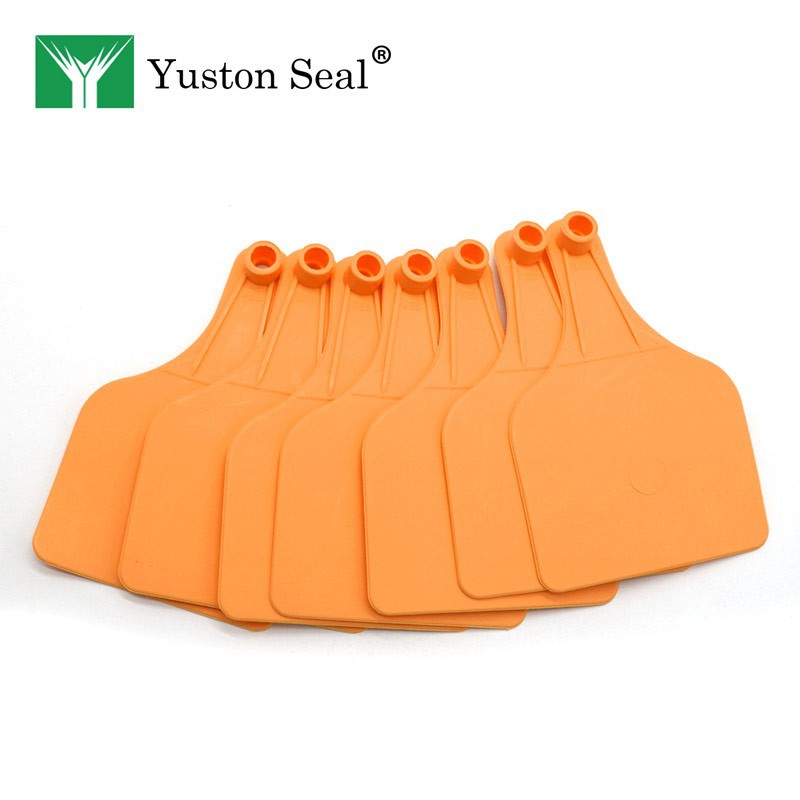
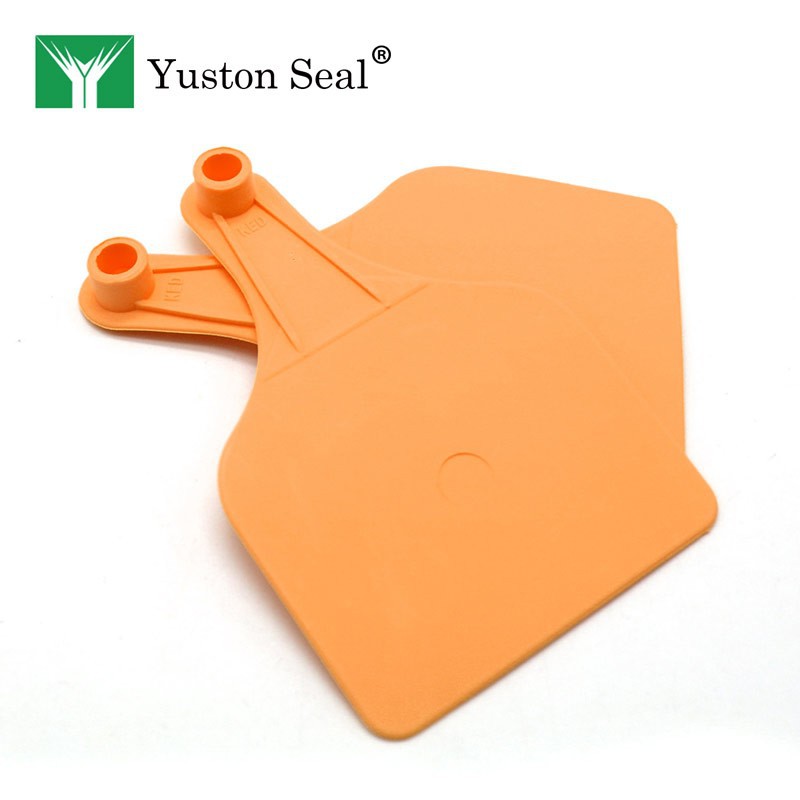
Lightweight plastic ear tags can be a good option for horses. They are generally less expensive and come in a variety of colors and sizes. These tags can be easily customized with numbers or letters for identification purposes. Plastic tags are also relatively flexible, which means they are less likely to cause damage to the horse's ear.
For example, some Sheep Ear Tags are made of lightweight plastic and can be adapted for use on horses. However, it is important to ensure that the tag is properly sized and attached to the horse's ear to prevent it from getting caught on objects.
RFID Tags
RFID ear tags are more advanced and offer the advantage of automated data collection. They can be scanned from a distance, which makes it easier to manage a large number of horses. However, RFID tags can be more expensive than traditional plastic tags.
When using RFID tags on horses, it is important to ensure that the tag is compatible with the scanning equipment used on the farm or in the relevant industry. Additionally, the tag should be properly installed to ensure reliable performance.
Installation of Ear Tags on Horses
The installation of an ear tag on a horse should be done carefully to minimize pain and injury. It is recommended to use a proper ear - tagging tool that is designed for the specific type of tag being used. The ear should be cleaned and disinfected before the tag is inserted.
The tag should be placed in a location on the ear where it will not interfere with the horse's natural movements or cause discomfort. It is also important to check the tag regularly to ensure that it is still in place and that the horse is not showing any signs of irritation.
Benefits of Using Ear Tags on Horses
Despite the challenges, there are some benefits to using ear tags on horses. Ear tags can provide a visible form of identification, which can be useful in situations where quick identification is needed. For example, in a large stable or at a horse show, an ear tag can make it easier to identify a particular horse.
Ear tags can also be used in conjunction with other forms of identification, such as microchips. This provides an additional layer of security and ensures that the horse can be identified even if one form of identification fails.
Conclusion
In conclusion, while livestock ear tags can potentially be used for horses, there are several factors that need to be considered. The horse's anatomy, regulatory requirements, and behavioral considerations all play a role in determining whether an ear tag is a suitable form of identification.
As a supplier of livestock ear tags, I understand the importance of providing products that are safe and effective for all types of livestock, including horses. If you are considering using ear tags on your horses, I recommend carefully evaluating your options and consulting with a veterinarian or an equine expert.
If you have any questions about our livestock ear tags or need advice on choosing the right tag for your horses, please feel free to contact us. We are here to help you make the best decision for your animals and your operation.
References
- American Association of Equine Practitioners. (2023). Guidelines for Horse Identification.
- Department of Agriculture, various regions. (2023). Livestock Identification Regulations.