

As a supplier of Metal Cable Ties, I often encounter questions from customers about the flexibility and durability of our products. One of the most common inquiries is whether metal cable ties can be bent without breaking. In this blog post, I will delve into the science behind the bending capabilities of metal cable ties, explore the factors that influence their flexibility, and provide practical insights based on our experience in the industry.
The Science of Bending Metal Cable Ties
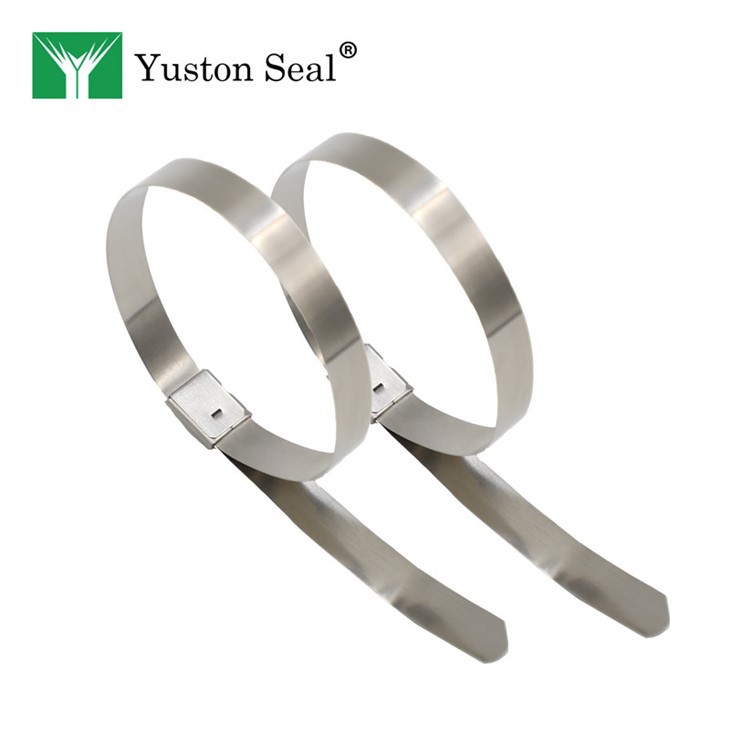
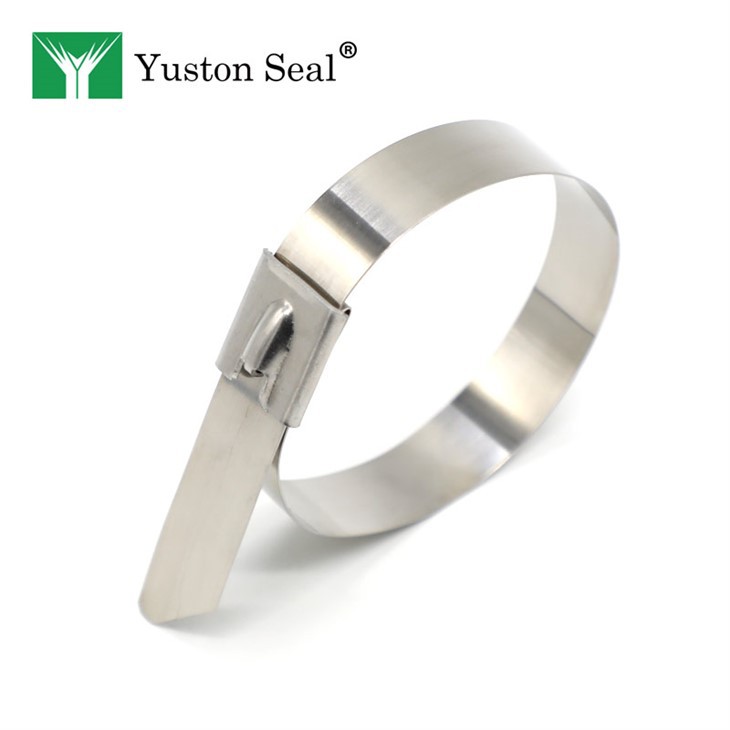
Metal cable ties are typically made from materials such as stainless steel, which is known for its strength, corrosion resistance, and flexibility. When a metal cable tie is bent, the material undergoes a process called plastic deformation. This means that the metal is permanently reshaped without fracturing. The ability of a metal cable tie to bend without breaking depends on several factors, including the material properties, the thickness of the cable tie, and the radius of the bend.
Material Properties
The material properties of the metal cable tie play a crucial role in its bending capabilities. Stainless steel, for example, is a popular choice for cable ties because it has a high yield strength and good ductility. Yield strength refers to the amount of stress a material can withstand before it begins to deform plastically. Ductility, on the other hand, is the ability of a material to be stretched or bent without breaking. Stainless steel cable ties can typically withstand significant bending forces without reaching their yield strength, making them suitable for a wide range of applications.
Thickness of the Cable Tie
The thickness of the metal cable tie also affects its bending capabilities. Thicker cable ties are generally stronger and more rigid, which means they can withstand higher bending forces without breaking. However, they may also be more difficult to bend, especially if the radius of the bend is small. Thinner cable ties, on the other hand, are more flexible and easier to bend, but they may not be as strong as thicker ones. When choosing a metal cable tie, it is important to consider the specific application and the amount of bending that will be required.
Radius of the Bend
The radius of the bend is another important factor to consider when bending metal cable ties. A smaller radius of bend requires more force to achieve, which can increase the risk of the cable tie breaking. In general, it is recommended to use a bending tool or a mandrel to ensure a smooth and consistent bend with a larger radius. This will help to minimize the stress on the cable tie and reduce the risk of breakage.
Factors Affecting the Bending Capabilities of Metal Cable Ties
In addition to the material properties, thickness, and radius of the bend, several other factors can affect the bending capabilities of metal cable ties. These include:
Temperature
Temperature can have a significant impact on the flexibility and strength of metal cable ties. At low temperatures, the metal becomes more brittle and less ductile, which means it is more likely to break when bent. At high temperatures, the metal may become softer and more malleable, but it may also lose some of its strength. It is important to consider the operating temperature of the application when choosing a metal cable tie and to ensure that it is suitable for the intended environment.
Surface Finish
The surface finish of the metal cable tie can also affect its bending capabilities. A smooth surface finish can reduce friction and make it easier to bend the cable tie, while a rough or uneven surface finish can increase the risk of the cable tie getting caught or damaged during the bending process. It is important to choose a metal cable tie with a smooth surface finish to ensure optimal performance.
Installation Method
The installation method used for the metal cable tie can also affect its bending capabilities. If the cable tie is installed too tightly or if it is subjected to excessive tension during installation, it may be more likely to break when bent. It is important to follow the manufacturer's instructions for installation and to use the appropriate tools and techniques to ensure a secure and proper installation.
Practical Insights from Our Experience
Based on our experience as a supplier of Metal Cable Ties, we have found that the following tips can help to ensure that metal cable ties can be bent without breaking:
Choose the Right Cable Tie
When choosing a metal cable tie, it is important to consider the specific application and the amount of bending that will be required. Choose a cable tie with the appropriate material, thickness, and width to ensure optimal performance. If you are unsure which cable tie is right for your application, our team of experts can provide you with personalized recommendations.
Use the Right Tools
Using the right tools is essential for bending metal cable ties without breaking them. A bending tool or a mandrel can help to ensure a smooth and consistent bend with a larger radius, which will minimize the stress on the cable tie and reduce the risk of breakage. Avoid using sharp or pointed tools that can damage the surface of the cable tie.
Follow the Manufacturer's Instructions
It is important to follow the manufacturer's instructions for installation and bending of the metal cable tie. This will help to ensure that the cable tie is installed correctly and that it is bent in a way that minimizes the risk of breakage. If you have any questions or concerns about the installation or bending of the cable tie, our team of experts can provide you with additional guidance.
Test the Cable Tie
Before using the metal cable tie in a critical application, it is a good idea to test it to ensure that it can be bent without breaking. You can do this by bending the cable tie to the desired radius and checking for any signs of damage or breakage. If the cable tie passes the test, you can be confident that it will perform well in your application.
Conclusion
In conclusion, metal cable ties can be bent without breaking if the right materials, thickness, and bending techniques are used. By understanding the science behind the bending capabilities of metal cable ties and considering the factors that can affect their performance, you can ensure that your cable ties will provide reliable and long-lasting service in a wide range of applications.
If you are in the market for high-quality Metal Cable Ties, Metal Cable Ties, Stainless Steel Cable Ties, or Stainless Steel Cable Wire Ties, we invite you to contact us to discuss your specific requirements. Our team of experts will be happy to assist you in choosing the right cable ties for your application and to provide you with personalized recommendations.
References
- ASM Handbook, Volume 1: Properties and Selection: Irons, Steels, and High-Performance Alloys
- ASTM International Standards for Stainless Steel
- Manufacturer's technical specifications for metal cable ties