

Can metal cable ties be used for securing cables in a substation? This is a question that often arises in the field of electrical engineering and infrastructure management. As a supplier of high - quality Metal Cable Ties, I am well - versed in the properties and applications of these products, and I'd like to share some insights on this topic.
The Environment in a Substation
A substation is a crucial part of the electrical power system. It is responsible for transforming voltage levels, distributing power, and protecting the electrical network. The environment in a substation is complex and challenging. High - voltage equipment generates heat, and there are often strong electromagnetic fields. Additionally, substations are exposed to various weather conditions, including rain, snow, and extreme temperatures.
In such an environment, the cable management system must be reliable and durable. Cables need to be securely fastened to prevent movement, which could lead to short - circuits, insulation damage, or other electrical failures.
Advantages of Using Metal Cable Ties in a Substation
1. High Strength and Durability
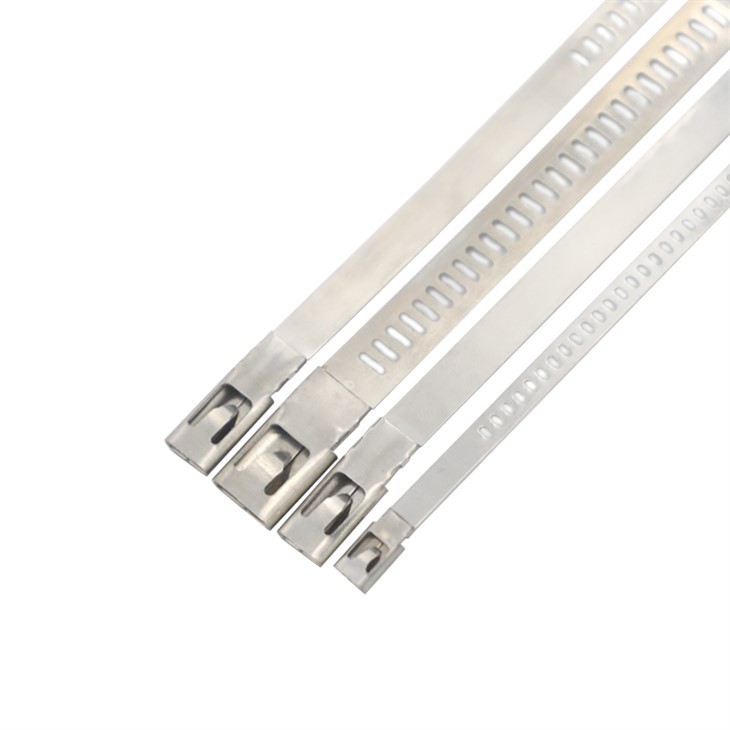
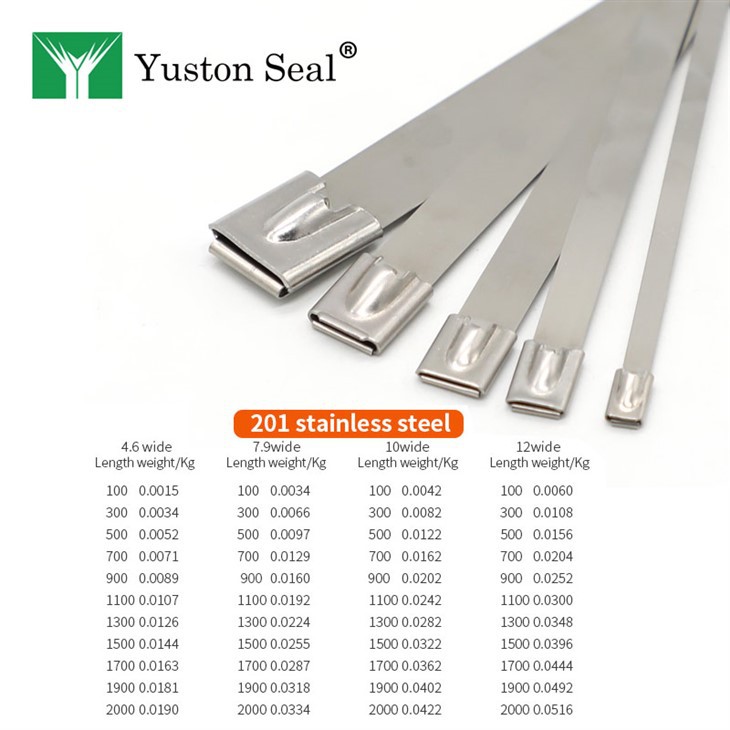
Metal cable ties, especially those made of stainless steel, offer excellent strength. Stainless steel has high tensile strength, which means it can withstand significant pulling forces without breaking. In a substation, cables can be heavy, and during installation or maintenance, they may be subject to mechanical stress. Stainless Steel Cable Ties can hold these cables firmly in place, ensuring long - term stability.
For example, in large - scale substations where high - voltage cables are used, the weight of these cables can be substantial. Metal cable ties can handle this weight and keep the cables organized, reducing the risk of cable sagging or dislodging.
2. Resistance to Corrosion
Substations are often located outdoors or in industrial environments where they are exposed to moisture, chemicals, and other corrosive substances. Stainless steel cable ties are highly resistant to corrosion. They can withstand rust and oxidation, which is essential for maintaining the integrity of the cable management system over time.
Even in coastal areas where the air contains salt, or in industrial areas with high levels of pollution, Stainless Steel Cable Wire Ties can remain in good condition, ensuring that the cables are always properly secured.
3. Temperature Resistance
The temperature in a substation can vary widely. During normal operation, electrical equipment generates heat, which can raise the temperature in the substation. In cold weather, the temperature can drop significantly. Metal cable ties have good temperature resistance. They can maintain their mechanical properties over a wide range of temperatures, from extremely cold to very hot conditions.
This means that regardless of the seasonal temperature changes or the heat generated by the electrical equipment, metal cable ties will not become brittle or lose their strength, providing reliable cable securing.
4. Resistance to Electromagnetic Interference
In a substation, there are strong electromagnetic fields. Some non - metallic cable ties may be affected by these fields, which could lead to degradation or malfunction. Metal cable ties, on the other hand, are less likely to be influenced by electromagnetic interference. They can maintain their structural integrity and continue to secure the cables effectively in the presence of strong electromagnetic fields.
Considerations When Using Metal Cable Ties in a Substation
1. Electrical Conductivity
One of the main concerns when using metal cable ties in a substation is their electrical conductivity. Since metal is a good conductor of electricity, there is a risk of short - circuits if the cable ties come into contact with live parts of the electrical system.
To mitigate this risk, proper insulation and installation procedures must be followed. For example, cable ties should be installed in such a way that they do not touch any exposed conductors. Insulating sleeves or coatings can also be used to cover the metal cable ties if necessary.
2. Compatibility with Cables
It is important to ensure that the metal cable ties are compatible with the cables they are securing. Some cables may have sensitive insulation materials that could be damaged by the sharp edges of the cable ties. In such cases, cable ties with smooth edges or additional protective padding should be used to prevent damage to the cable insulation.
3. Installation and Maintenance
Proper installation of metal cable ties is crucial. They should be tightened to the appropriate torque to ensure a secure fit without over - tightening, which could damage the cables or the cable ties themselves. Regular maintenance is also necessary to check for any signs of wear, corrosion, or loosening of the cable ties.
Conclusion
In conclusion, metal cable ties can be a suitable option for securing cables in a substation, provided that the necessary precautions are taken. Their high strength, durability, corrosion resistance, temperature resistance, and resistance to electromagnetic interference make them well - suited for the challenging environment of a substation.
However, careful consideration must be given to electrical conductivity, cable compatibility, and proper installation and maintenance. By addressing these issues, metal cable ties can provide a reliable and long - lasting solution for cable management in substations.
If you are looking for high - quality metal cable ties for your substation or other electrical infrastructure projects, we are here to help. Our Metal Cable Ties are made of the finest materials and are manufactured to the highest standards. We offer a wide range of sizes and specifications to meet your specific needs. Contact us to discuss your requirements and start a procurement negotiation. We are committed to providing you with the best products and services.
References
- Electrical Power Substation Engineering, Third Edition by Turan Gonen
- Handbook of Electrical Engineering for Substations by R. J. Hunt