

Can metal cable ties be used in marine environments? Well, that's a question I get asked a lot as a metal cable ties supplier. In this blog, I'll share my insights on whether metal cable ties are suitable for marine use, the types of metal cable ties that work best, and some key considerations.
Let's start by understanding the challenges of the marine environment. The ocean is a tough place. There's saltwater, which is highly corrosive. Salt in the water can cause metal to rust and deteriorate over time. Then there's the constant exposure to moisture, which speeds up the corrosion process. Waves and strong winds can also put physical stress on any equipment or fixtures, including cable ties.
So, can metal cable ties handle all this? The answer is yes, but not all metal cable ties are created equal.
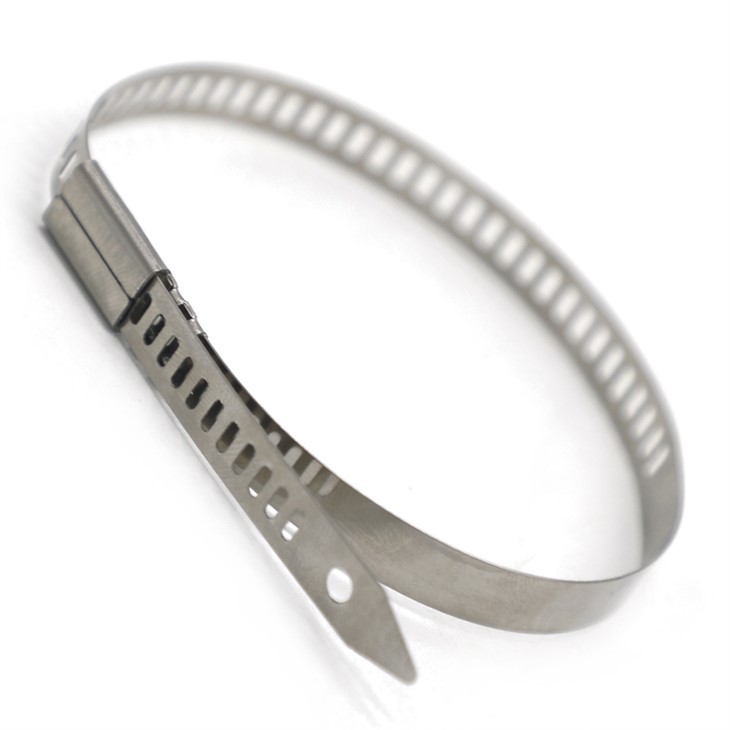
Stainless steel cable ties are a top choice for marine applications. They're known for their excellent corrosion resistance. Stainless steel contains chromium, which forms a thin, protective layer on the surface of the metal. This layer helps prevent rust and corrosion, even when exposed to saltwater. You can check out our Stainless Steel Cable Ties for high - quality options.
These ties are strong and durable. They can withstand the physical stress from waves and wind. Whether you're securing cables on a boat, in a marine installation, or on an offshore platform, stainless steel cable ties can hold up well. They come in different sizes and strengths, so you can choose the right one for your specific needs.
Another option is Stainless Steel Cable Wire Ties. These are similar to regular stainless steel cable ties but have a wire construction. The wire design provides additional flexibility while still maintaining strength. They're great for applications where you need to bend the tie around irregular shapes or objects.
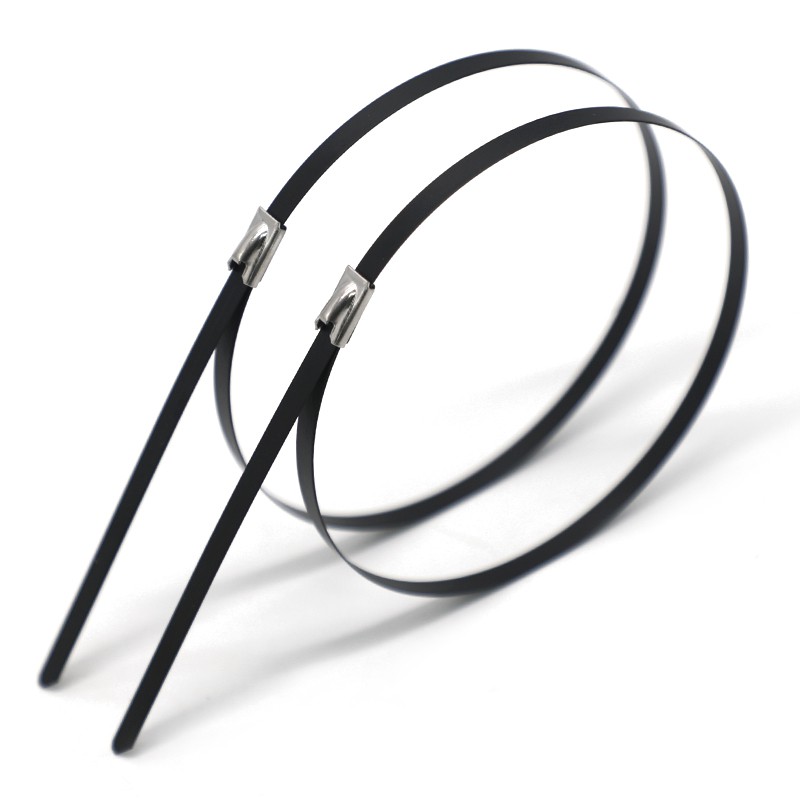
If you're looking for something a bit different, Black Stainless Steel Zip Ties are also available. The black coating not only gives them a sleek look but can also provide an extra layer of protection against corrosion. They're suitable for both functional and aesthetic purposes in marine settings.
However, it's not all smooth sailing when using metal cable ties in the marine environment. There are some things you need to keep in mind.
First, the grade of stainless steel matters. Not all stainless steel is the same. For marine use, you should look for a higher - grade stainless steel, like 316 stainless steel. It has a higher molybdenum content, which enhances its corrosion resistance compared to lower - grade stainless steels.
Second, installation is key. Make sure the cable ties are installed correctly. A loose or improperly installed tie may not hold up well under the harsh marine conditions. It could come loose over time, leading to potential safety hazards or damage to the cables or equipment it's securing.
Third, regular inspection is necessary. Even the best - quality metal cable ties can degrade over time. Check them periodically for signs of corrosion, wear, or damage. If you notice any issues, replace the ties immediately to avoid any problems.
When it comes to cost, metal cable ties may be more expensive than their plastic counterparts. But considering the long - term durability and performance in the marine environment, they're often worth the investment. You won't have to replace them as frequently, which can save you money in the long run.
In conclusion, metal cable ties can definitely be used in marine environments, especially stainless steel ones. They offer the strength, durability, and corrosion resistance needed to withstand the harsh conditions of the ocean. Whether you're a boat owner, a marine contractor, or involved in offshore operations, metal cable ties can be a reliable solution for cable management.
If you're interested in purchasing metal cable ties for your marine projects, I'd love to have a chat with you. We can discuss your specific requirements and find the best products for you. Contact us to start the procurement process and let's work together to ensure your marine installations are secure and long - lasting.
References
- Marine Corrosion Handbook. Elsevier.
- Stainless Steel Handbook. ASM International.