

In the dynamic field of telecommunications installations, the choice of cable management solutions is crucial for ensuring the reliability, safety, and efficiency of the entire system. As a trusted supplier of metal cable ties, I am often asked whether metal cable ties can be used in telecommunications installations. In this blog post, I will explore the suitability of metal cable ties for telecommunications applications, highlighting their advantages, potential challenges, and best practices.
Advantages of Metal Cable Ties in Telecommunications Installations
Durability and Strength
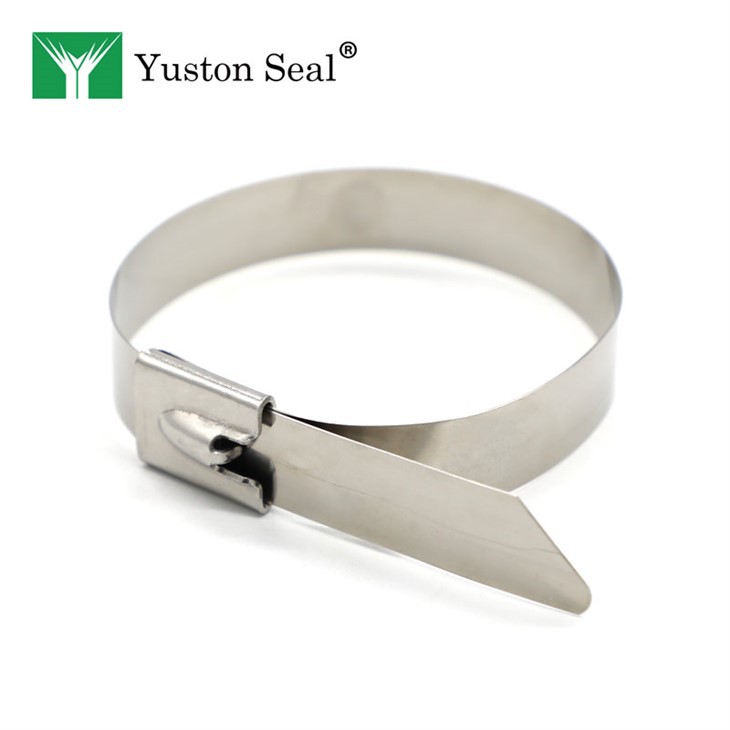
One of the primary advantages of metal cable ties, such as Stainless Steel Cable Ties, is their exceptional durability and strength. Telecommunications installations often involve harsh environments, including extreme temperatures, high humidity, and exposure to chemicals. Metal cable ties can withstand these conditions better than their plastic counterparts, ensuring long-term performance and reliability. For example, stainless steel cable ties are resistant to corrosion, rust, and UV radiation, making them ideal for outdoor telecommunications installations, such as cell towers and fiber optic networks.
High Tensile Strength
Metal cable ties offer high tensile strength, which is essential for securing heavy cables and bundles in telecommunications installations. In large-scale data centers or telecommunications hubs, where hundreds or thousands of cables need to be organized and managed, metal cable ties can provide the necessary support and stability. They can withstand the weight and tension of the cables without breaking or loosening, preventing cable damage and ensuring proper signal transmission.
Fire Resistance
Fire safety is a critical concern in telecommunications installations. Metal cable ties, particularly those made of stainless steel, are inherently fire-resistant. They do not burn or melt easily, which can help prevent the spread of fire in case of an electrical fault or other emergency. This is especially important in areas where strict fire safety regulations apply, such as commercial buildings and industrial facilities.
EMI/RFI Shielding
Electromagnetic interference (EMI) and radio frequency interference (RFI) can disrupt the performance of telecommunications systems. Metal cable ties can act as a shield against EMI/RFI, reducing the impact of external electromagnetic fields on the cables. This is particularly beneficial in environments with high levels of electromagnetic noise, such as near power lines or in industrial areas.
Potential Challenges of Using Metal Cable Ties in Telecommunications Installations
Cost
One of the main challenges of using metal cable ties in telecommunications installations is their relatively high cost compared to plastic cable ties. Metal materials, such as stainless steel, are more expensive than plastic, which can increase the overall cost of the installation. However, it is important to consider the long-term benefits of using metal cable ties, such as their durability and reliability, which can offset the initial investment.
Installation Difficulty
Metal cable ties can be more difficult to install than plastic cable ties. They require special tools, such as cable tie guns or cutters, to secure and trim the ties. Additionally, metal cable ties may be stiffer and less flexible than plastic cable ties, which can make it more challenging to route and arrange the cables. However, with proper training and the right tools, the installation process can be managed effectively.
Electrical Conductivity
While metal cable ties can provide EMI/RFI shielding, their electrical conductivity can also pose a potential risk in certain telecommunications applications. If the metal cable ties come into contact with live electrical components, they can cause short circuits or electrical shocks. Therefore, it is important to ensure that the metal cable ties are properly insulated and installed in a way that minimizes the risk of electrical contact.
Best Practices for Using Metal Cable Ties in Telecommunications Installations
Select the Right Type of Metal Cable Tie
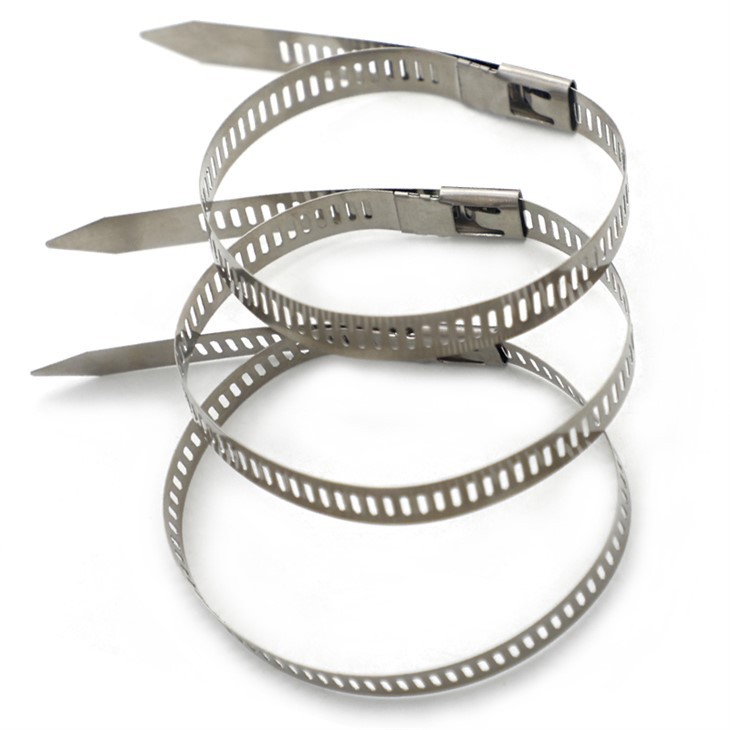
There are different types of metal cable ties available, each with its own unique properties and applications. When choosing metal cable ties for telecommunications installations, it is important to consider the specific requirements of the project, such as the environment, cable size, and load capacity. For example, Stainless Steel Cable Wire Ties are suitable for securing small to medium-sized cables, while Stainless Steel Locking Wire Ties are ideal for applications that require a high level of security and tamper resistance.
Use the Right Tools
As mentioned earlier, metal cable ties require special tools for installation. It is important to use the right tools to ensure that the ties are properly secured and trimmed. Using the wrong tools can damage the cable ties or the cables themselves, leading to performance issues or safety hazards. Make sure to follow the manufacturer's instructions when using the tools and to keep them in good working condition.
Insulate the Metal Cable Ties
To minimize the risk of electrical contact, it is important to insulate the metal cable ties. This can be done by using insulating sleeves or tapes to cover the ties. Make sure to choose insulating materials that are compatible with the metal cable ties and the cables themselves. Additionally, ensure that the insulation is properly installed and maintained to prevent it from coming loose or damaged.
Follow Safety Guidelines
When working with metal cable ties in telecommunications installations, it is important to follow all safety guidelines and regulations. This includes wearing appropriate personal protective equipment (PPE), such as gloves and safety glasses, and using the tools and equipment in a safe manner. Additionally, make sure to follow the manufacturer's instructions for installation and maintenance of the metal cable ties.
Conclusion
In conclusion, metal cable ties can be a suitable choice for telecommunications installations, offering numerous advantages such as durability, strength, fire resistance, and EMI/RFI shielding. However, they also present some potential challenges, such as cost, installation difficulty, and electrical conductivity. By selecting the right type of metal cable tie, using the right tools, insulating the ties, and following safety guidelines, these challenges can be effectively managed.
If you are considering using metal cable ties in your telecommunications installation project, I encourage you to contact us for more information. Our team of experts can help you choose the right metal cable ties for your specific needs and provide you with the support and guidance you need throughout the installation process. We are committed to providing high-quality products and excellent customer service, and we look forward to working with you.
References
- "Cable Management in Telecommunications Systems." Telecommunications Industry Association (TIA).
- "Stainless Steel Cable Ties: Properties and Applications." Journal of Materials Science and Engineering.
- "Fire Safety in Telecommunications Installations." National Fire Protection Association (NFPA).