

As a meter seal supplier, I often get asked a bunch of questions from customers. One question that pops up quite a bit is, "Can meter seals withstand high temperatures?" It's a valid concern, especially when you think about all the different environments where these seals are used.
Let's start by understanding what meter seals are and why temperature matters. Meter seals are used to secure meters, like gas meters or electricity meters, to prevent tampering. They come in all sorts of types, like Gas Meter Seal, Barcode Twist Meter Seal, and Gas Meter Tamper Seal. These seals need to work reliably in different conditions, and high - temperature environments are definitely a challenge.
How High Temperatures Affect Meter Seals
High temperatures can cause a whole host of problems for meter seals. First off, the materials that the seals are made of can start to degrade. For example, if a seal is made of plastic, extreme heat can make the plastic soften. When the plastic softens, it loses its structural integrity. This means it might not hold the seal as tightly as it should, and there's a risk that someone could tamper with the meter more easily.
Another issue is expansion. Different materials expand at different rates when heated. If the seal and the meter it's attached to expand at different rates, it can create gaps. These gaps are a big no - no because they can allow unauthorized access to the meter. And once there's an opening, all bets are off in terms of the meter's security.
Materials Used in Meter Seals and Their Heat Resistance
We use a variety of materials to make meter seals, and each has its own heat - resistance properties.
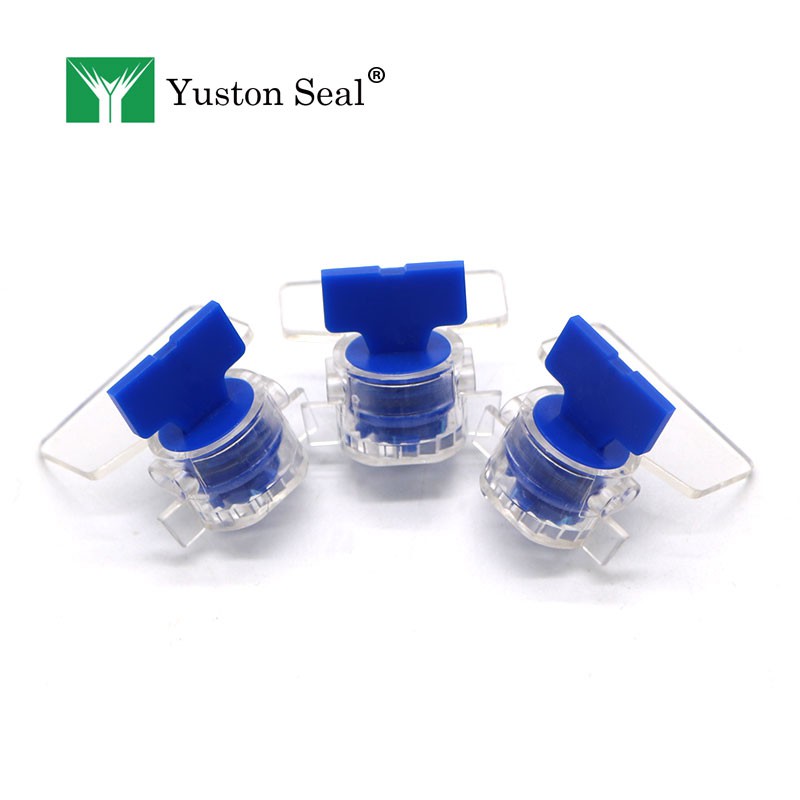

Plastic Seals
Plastic is a common choice for meter seals because it's cheap and easy to work with. But not all plastics are created equal when it comes to heat. For instance, polypropylene has a relatively low melting point. In high - temperature environments, say above 100°C (212°F), polypropylene seals can start to deform. On the other hand, some engineering plastics like PEEK (polyether ether ketone) can withstand much higher temperatures, up to around 300°C (572°F). However, these high - performance plastics are more expensive, so they're not used as widely.
Metal Seals
Metal seals are another option. Metals like stainless steel have excellent heat resistance. They can handle very high temperatures without significant deformation. But metal seals also have their drawbacks. They're heavier and more expensive than plastic seals. And in some cases, metal can corrode over time, especially in humid or corrosive environments.
Composite Seals
Composite seals are made by combining different materials to get the best of both worlds. For example, a seal might have a plastic core for flexibility and a metal outer layer for heat resistance and strength. These composite seals can be designed to withstand a wide range of temperatures, but they're also more complex to manufacture.
Testing Meter Seals for High - Temperature Resistance
At our company, we take high - temperature testing seriously. We use specialized equipment to simulate different high - temperature environments. We'll place the seals in ovens set at various temperatures for a specific period of time. After that, we check the seals for any signs of damage, like deformation, cracking, or loss of strength.
We also do real - world testing. We'll install the seals on meters in areas where high temperatures are common, like industrial sites or places with hot climates. Then we monitor the seals over time to see how they perform. This hands - on approach helps us make sure that our seals can really stand up to the heat in the real world.
Applications Where High - Temperature Resistance Matters
There are several applications where meter seals need to withstand high temperatures.
Industrial Settings
In industrial plants, there are often high - temperature processes going on. Gas meters in these settings might be exposed to heat from furnaces or other equipment. If the meter seals can't handle the heat, it could lead to inaccurate readings or even safety risks. For example, if a gas meter is tampered with because the seal failed due to heat, it could result in a gas leak, which is extremely dangerous.
Outdoor Environments in Hot Climates
In places like deserts or tropical regions with high average temperatures, meter seals on outdoor meters are constantly exposed to the heat. The sun can heat up the meters and the seals to very high temperatures. If the seals aren't heat - resistant, they'll degrade quickly, and the meters won't be secure.
Choosing the Right Meter Seal for High - Temperature Environments
When customers come to us looking for meter seals for high - temperature applications, we have a few things we consider.
First, we look at the maximum temperature the seal will be exposed to. If it's a relatively low - heat environment, say up to 100°C, a standard plastic seal might work. But if the temperatures are much higher, we'll recommend a metal or composite seal.
We also consider the budget. As I mentioned earlier, high - performance materials like PEEK or metal are more expensive. So we work with the customer to find a balance between cost and performance.
Conclusion
So, can meter seals withstand high temperatures? The answer is it depends. It depends on the materials the seals are made of, the design of the seal, and the specific high - temperature environment they'll be in. At our company, we've put a lot of effort into developing meter seals that can handle the heat. Whether it's through using high - performance materials, innovative designs, or rigorous testing, we're committed to providing our customers with reliable seals.
If you're in the market for meter seals, especially for high - temperature applications, don't hesitate to reach out. We're here to help you choose the right seal for your needs. Let's have a chat and see how we can work together to keep your meters secure.
References
- "Materials Science and Engineering: An Introduction" by William D. Callister Jr. and David G. Rethwisch
- Industry reports on meter seal performance in high - temperature environments