

Nanotechnology has emerged as a revolutionary force in various industries, offering innovative solutions to long - standing problems. As a meter seal supplier, I've been constantly exploring how this cutting - edge technology can be integrated into meter seal manufacturing. In this blog, I'll delve into the potential use of nanotechnology in meter seal production, its benefits, challenges, and what it could mean for the future of the industry.
Understanding Nanotechnology
Nanotechnology involves the manipulation of matter on an atomic, molecular, and supramolecular scale, typically at dimensions between 1 and 100 nanometers. At this scale, materials often exhibit unique physical, chemical, and biological properties that differ significantly from their bulk counterparts. These properties can be harnessed to create new materials and devices with enhanced performance.
Potential Applications of Nanotechnology in Meter Seal Manufacturing
Enhanced Security Features
One of the primary concerns in meter seal manufacturing is security. Nanotechnology can play a crucial role in enhancing the security of meter seals. For example, nanoscale sensors can be embedded within the seals. These sensors can detect any tampering attempts, such as vibrations, temperature changes, or the application of force. When a tampering event is detected, the sensor can send an alert to a central monitoring system.
Moreover, nanomaterials can be used to create unique identifiers on the seals. Quantum dots, which are tiny semiconductor particles on the nanoscale, can emit specific colors of light when excited. These colors can be used as a form of encryption, making it extremely difficult for counterfeiters to replicate the seals. This ensures that only genuine meter seals are used, and any attempt to replace them with fakes can be easily detected.
Improved Durability
Meter seals are often exposed to harsh environmental conditions, such as extreme temperatures, humidity, and chemical exposure. Nanotechnology can significantly improve the durability of meter seals. For instance, nanocomposite materials can be developed by incorporating nanoparticles into a polymer matrix. These nanocomposites have enhanced mechanical properties, such as increased strength, hardness, and resistance to wear and tear.
Carbon nanotubes, which are cylindrical carbon molecules with extraordinary strength and flexibility, can be added to the seal material. This can make the seals more resistant to breakage and damage, even under severe conditions. As a result, the lifespan of the meter seals can be extended, reducing the need for frequent replacements.
Anti - Corrosion Properties
Corrosion is a major issue for meter seals, especially in outdoor or industrial environments. Nanotechnology can provide effective anti - corrosion solutions. Nanocoatings can be applied to the surface of the seals. These coatings are extremely thin, often only a few nanometers thick, but they can form a protective barrier against corrosion - causing agents, such as moisture and chemicals.
For example, self - healing nanocoatings can be developed. These coatings contain nanoparticles that can migrate to the damaged area of the coating and repair it automatically. This ensures that the anti - corrosion protection of the seal remains intact over time, even if the coating is scratched or damaged.
Examples of Nanotechnology - Enabled Meter Seals
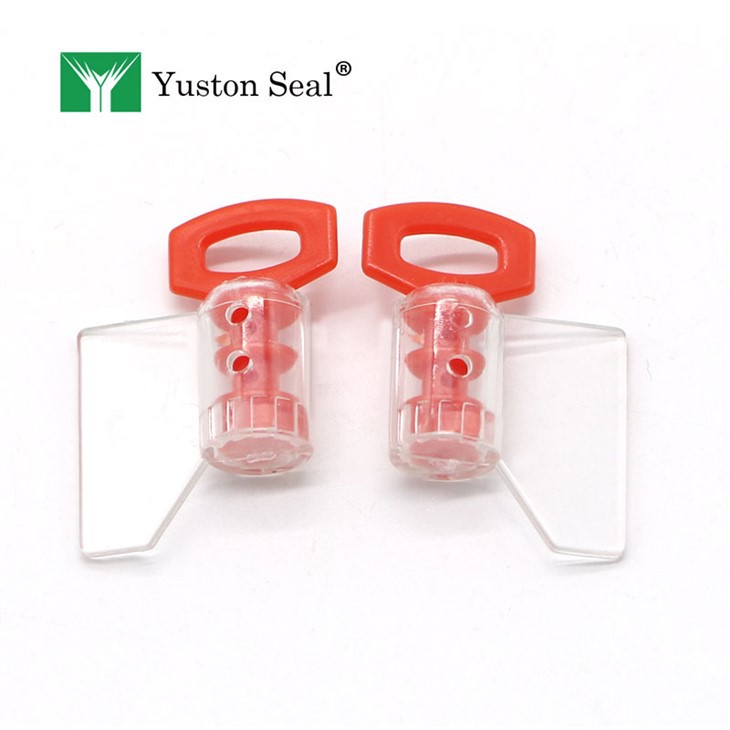
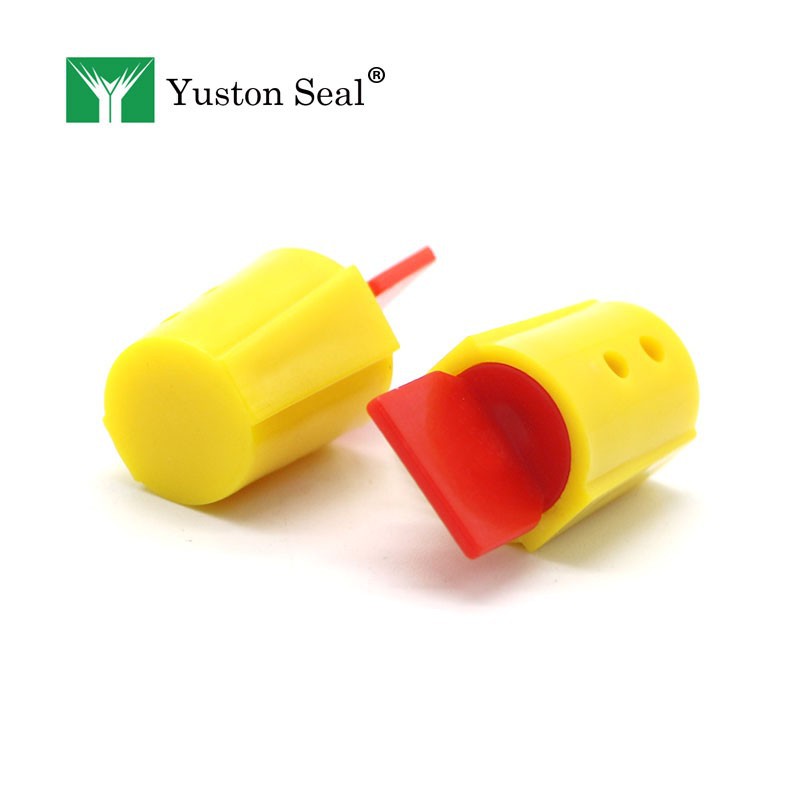
Let's take a look at some of the meter seals that could potentially benefit from nanotechnology. The Electric Twist Meter Seal could be enhanced with nanoscale sensors to detect any unauthorized tampering. These sensors could be integrated into the twist mechanism, allowing for real - time monitoring of the seal's status.
The Wire Seals For Meters could be made more durable by incorporating carbon nanotubes into the wire material. This would increase the strength of the wire, making it more resistant to cutting and pulling.
The Plastic Meter Security Seal could be coated with a nanocoating to improve its anti - corrosion properties. This would ensure that the plastic does not degrade over time due to exposure to environmental factors.
Challenges in Implementing Nanotechnology in Meter Seal Manufacturing
While the potential benefits of using nanotechnology in meter seal manufacturing are significant, there are also several challenges that need to be addressed.
Cost
The production of nanomaterials and nanodevices is often expensive. The equipment required for nanoscale manufacturing, such as electron microscopes and nanofabrication tools, is costly to purchase and maintain. Additionally, the raw materials used in nanotechnology, such as nanoparticles, can be expensive. This cost factor may make it difficult for meter seal suppliers to adopt nanotechnology on a large scale, especially in a highly competitive market.
Regulatory Issues
Nanotechnology is a relatively new field, and there are still many regulatory uncertainties. There are concerns about the potential environmental and health impacts of nanomaterials. For example, some nanoparticles may be toxic if they are released into the environment or inhaled by humans. As a result, meter seal manufacturers need to ensure that their nanotechnology - enabled products comply with all relevant regulations, which can be a complex and time - consuming process.
Technical Expertise
Implementing nanotechnology in meter seal manufacturing requires a high level of technical expertise. Meter seal suppliers need to have a team of scientists and engineers who are familiar with nanoscale materials and manufacturing processes. This may be a challenge for smaller suppliers who may not have the resources to hire or train such specialized personnel.
The Future of Nanotechnology in Meter Seal Manufacturing
Despite the challenges, the future of nanotechnology in meter seal manufacturing looks promising. As the technology matures, the cost of nanomaterials and manufacturing processes is likely to decrease. This will make it more economically viable for meter seal suppliers to adopt nanotechnology.
In addition, regulatory frameworks are expected to become more established, providing clear guidelines for the use of nanotechnology in meter seal production. This will help to ensure that the benefits of nanotechnology can be realized while minimizing the potential risks.
As a meter seal supplier, I'm excited about the possibilities that nanotechnology offers. It has the potential to transform the meter seal industry by providing more secure, durable, and reliable products. I believe that by investing in research and development in this area, we can stay ahead of the competition and meet the evolving needs of our customers.
Contact for Procurement and Discussion
If you're interested in learning more about how nanotechnology could be integrated into your meter seal requirements, or if you're looking for high - quality meter seals, I'd be more than happy to discuss your needs. Whether you're in the electricity, gas, or water metering industry, we can work together to find the best solutions for your business.
References
- A. I. Akinwande, et al., "Carbon Nanotubes and Graphene for Future Flexible and Stretchable Electronics," Proceedings of the IEEE, vol. 102, no. 5, pp. 624 - 645, 2014.
- B. Bhushan, "Nanotribology and Nanomechanics: An Introduction," Springer, 2007.
- C. A. Mirkin, "Nanoparticles in Biological Detection," Annual Review of Biomedical Engineering, vol. 4, pp. 1 - 22, 2002.