

As a nylon cable tie supplier, I often get asked about the various applications of our products. One question that has come up quite frequently is, "Can nylon cable ties be used for hanging lights?" In this blog post, I'll explore this question in detail, discussing the suitability, advantages, limitations, and best practices of using nylon cable ties for hanging lights.
Suitability of Nylon Cable Ties for Hanging Lights
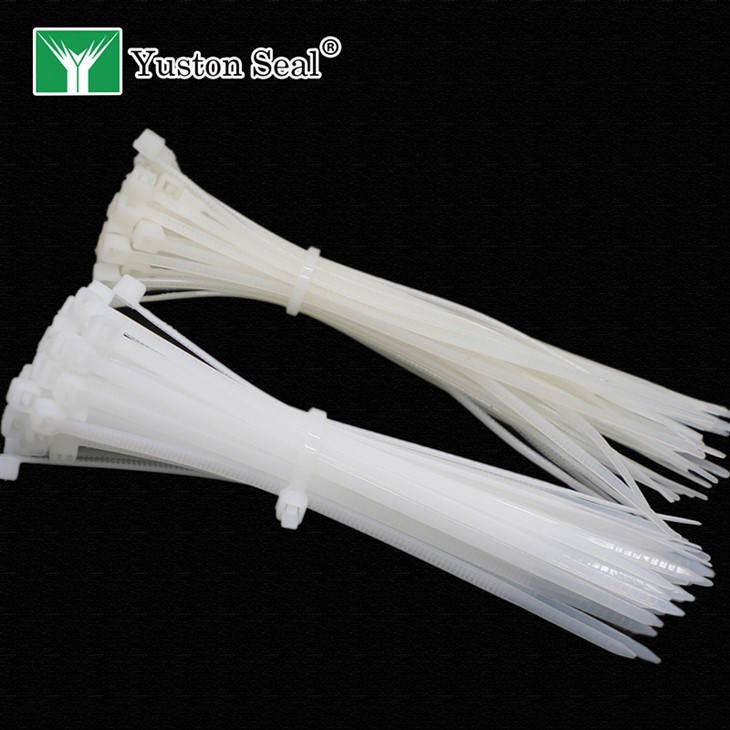
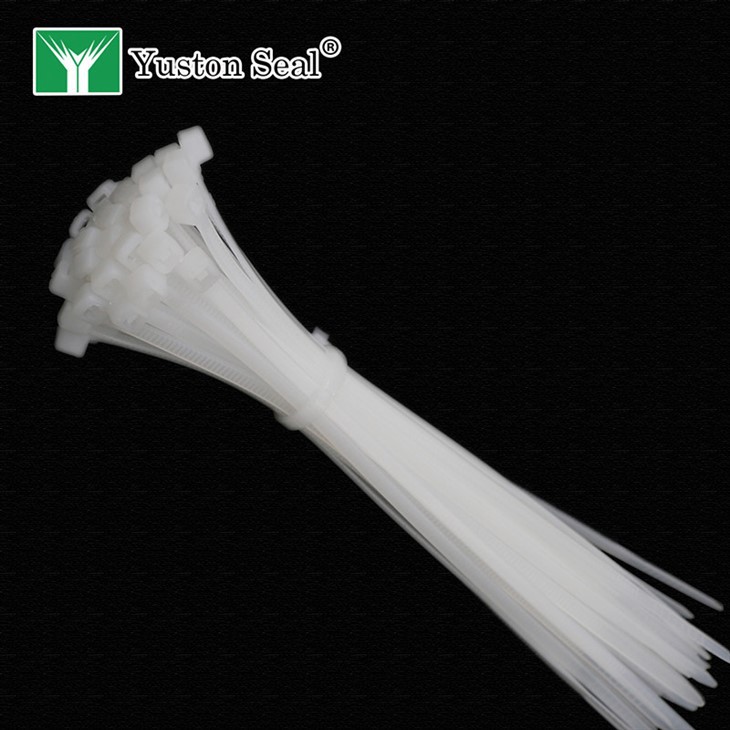
Nylon cable ties, also known as zip ties, are made from a strong and durable thermoplastic material. They are designed to securely fasten and bundle items together. When it comes to hanging lights, nylon cable ties can be a viable option in many situations.
The key factor in determining the suitability of nylon cable ties for hanging lights is the weight and size of the lights. Most standard nylon cable ties can support a certain amount of weight. For small to medium-sized lights, such as LED strip lights, fairy lights, or small pendant lights, nylon cable ties are often strong enough to hold them in place.
However, for larger and heavier lights, such as chandeliers or large industrial lighting fixtures, nylon cable ties may not be the best choice. These heavy lights require more robust support systems to ensure safety and stability.
Advantages of Using Nylon Cable Ties for Hanging Lights
- Easy Installation: One of the biggest advantages of using nylon cable ties is their ease of installation. They can be quickly and easily wrapped around the light fixture and the support structure, and then tightened to secure the light in place. This makes them a convenient option for DIY projects or quick installations.
- Adjustable: Nylon cable ties are adjustable, which means you can easily loosen or tighten them as needed. This is particularly useful if you need to reposition the light or make adjustments to the hanging height.
- Versatile: Nylon cable ties come in a variety of sizes, colors, and strengths, making them suitable for a wide range of lighting applications. You can choose the appropriate size and strength based on the weight and size of the light fixture.
- Cost-Effective: Nylon cable ties are relatively inexpensive compared to other hanging solutions, such as chains or wires. This makes them a cost-effective option for both residential and commercial lighting installations.
Limitations of Using Nylon Cable Ties for Hanging Lights
- Limited Weight Capacity: As mentioned earlier, nylon cable ties have a limited weight capacity. If the light fixture is too heavy, the cable tie may break or fail, causing the light to fall and potentially causing damage or injury.
- UV Sensitivity: Nylon cable ties are sensitive to ultraviolet (UV) light, which can cause them to become brittle and break over time. If the lights are installed outdoors or in an area exposed to direct sunlight, it's important to choose UV-resistant nylon cable ties to ensure long-term durability.
- Not Suitable for Permanent Installations: Nylon cable ties are not designed for permanent installations. They may loosen or degrade over time, especially in high-temperature or high-humidity environments. For permanent installations, it's recommended to use more permanent hanging solutions, such as bolts or screws.
Best Practices for Using Nylon Cable Ties for Hanging Lights
- Choose the Right Size and Strength: Before using nylon cable ties to hang lights, it's important to choose the appropriate size and strength based on the weight and size of the light fixture. Refer to the manufacturer's specifications for the weight capacity of the cable ties.
- Inspect the Cable Ties Regularly: Regularly inspect the cable ties for signs of wear, damage, or degradation. If you notice any issues, replace the cable ties immediately to ensure the safety of the light fixture.
- Use Multiple Cable Ties: For added security, it's recommended to use multiple cable ties to hang the light fixture. This can help distribute the weight evenly and reduce the stress on each individual cable tie.
- Avoid Over-Tightening: When tightening the cable ties, be careful not to over-tighten them. Over-tightening can cause the cable tie to break or damage the light fixture.
- Protect the Cable Ties from UV Light: If the lights are installed outdoors or in an area exposed to direct sunlight, it's important to protect the cable ties from UV light. You can use UV-resistant cable ties or cover the cable ties with a protective sleeve.
Conclusion
In conclusion, nylon cable ties can be a suitable option for hanging small to medium-sized lights in many situations. They offer easy installation, adjustability, versatility, and cost-effectiveness. However, they have limitations in terms of weight capacity, UV sensitivity, and suitability for permanent installations. By following the best practices outlined in this blog post, you can safely and effectively use nylon cable ties to hang lights.
If you're interested in purchasing nylon cable ties for your lighting projects, we offer a wide range of high-quality White Plastic Cable Ties, Plastic Cable Tie, and Small Plastic Cable Ties. Our products are made from durable materials and are available in various sizes and strengths to meet your specific needs. Contact us today to discuss your requirements and explore our product range. We look forward to working with you!
References
- Manufacturer's specifications for nylon cable ties
- Industry standards for lighting installations
- DIY lighting project guides