

Hey there! As a supplier of nylon cable ties, I often get asked a really interesting question: Can nylon cable ties be used for tying plants? Well, let's dive right into this topic and figure it all out.
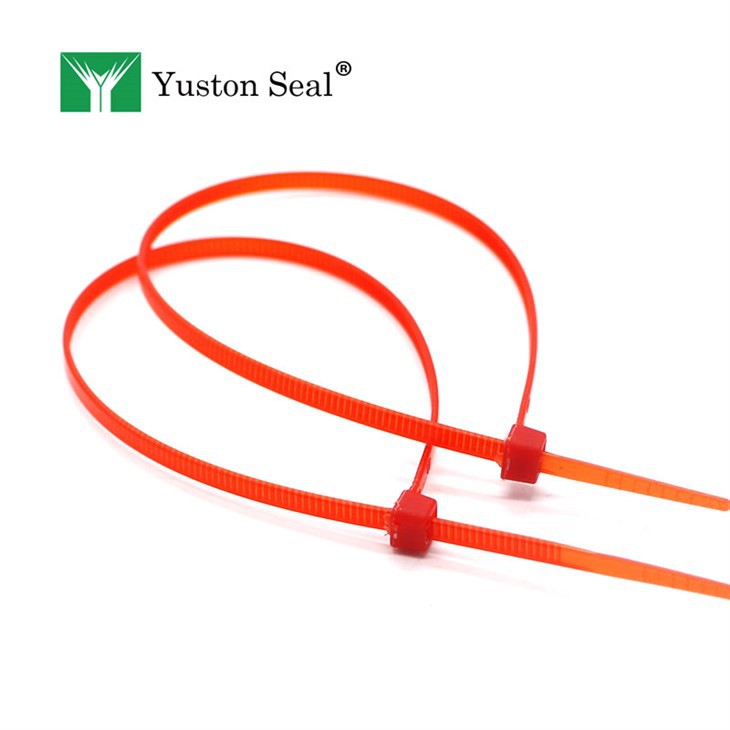
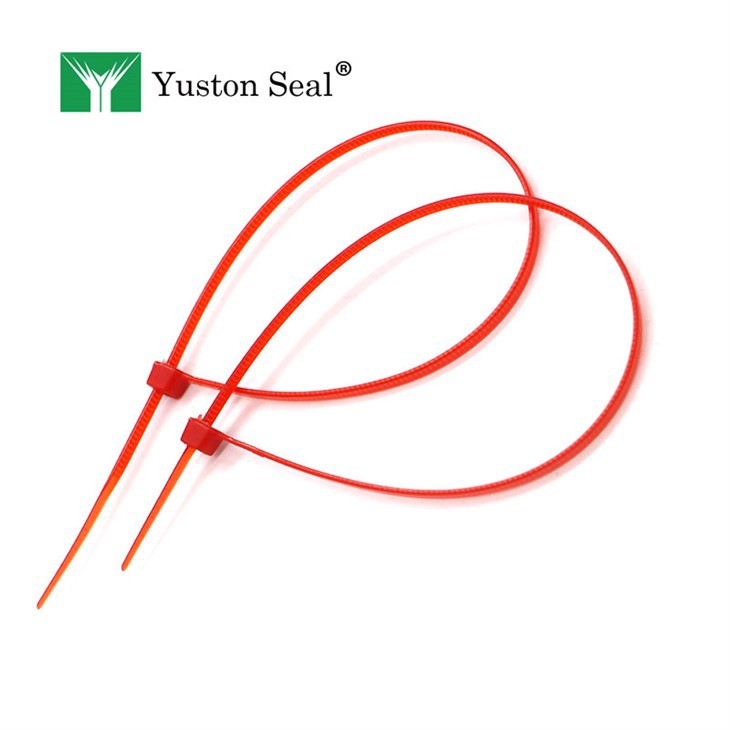
First off, let's talk a bit about what nylon cable ties are. Nylon cable ties are super popular little things. They're made from nylon, a type of synthetic polymer. These ties are known for their strength, durability, and flexibility. You can find them in all sorts of places, like in electrical work, securing packages, and even in auto repair. There are different types too, like Self-locking Cable Ties and Self Locking Plastic Ties. They come in various sizes and colors, making them quite versatile for different needs.
Now, back to the main question: using them for plants. On the plus side, nylon cable ties have a lot going for them when it comes to plant tying. One of the biggest advantages is their strength. Plants, especially the bigger ones or those with heavy branches, need something that can hold them firmly in place. Nylon cable ties can do just that. They won't easily break under the weight of the plant, which is crucial for providing long - term support.
Another great thing is their durability. Nylon is resistant to many environmental factors. It can withstand different temperatures, from the heat of the summer to the cold of the winter. It's also resistant to moisture, so it won't rot or degrade quickly when exposed to rain or water from watering the plants. This means that once you tie your plants with nylon cable ties, you don't have to worry about replacing them frequently.
Flexibility is also a key feature. Nylon cable ties can be easily bent and adjusted to fit around the plant stems or branches. You can tighten or loosen them as needed, depending on how the plant is growing. This is really useful because plants change over time, and you might need to make some adjustments to the ties to ensure the plant isn't being constricted or is getting enough support.
However, there are also some potential drawbacks to using nylon cable ties for plants. One of the main concerns is that they are non - biodegradable. Unlike some natural materials that will break down over time in the soil, nylon cable ties will stay in the environment for a very long time. If you leave them in the garden after you're done with the plants, they can become litter and contribute to environmental pollution.
Another issue is that if the ties are too tight, they can damage the plants. As plants grow, their stems and branches expand. A nylon cable tie that is tightened too much can cut into the plant tissue, restricting the flow of water and nutrients. This can lead to stunted growth, or in severe cases, even kill the plant.
So, how can we use nylon cable ties for plants in a safe and responsible way? First of all, when you're tying the plants, make sure not to pull the ties too tight. Leave a little bit of room for the plant to grow. You can check on the plants regularly, especially during the growing season, and adjust the ties if necessary.
Also, when you're done with the plants at the end of the season, make sure to remove the nylon cable ties. Don't just leave them in the garden. You can recycle the ties if possible, or at least dispose of them properly.
Now, let's compare nylon cable ties with some other materials that are commonly used for tying plants. For example, twine is a popular choice. Twine is often made from natural materials like jute or cotton. It's biodegradable, which is great for the environment. However, it's not as strong as nylon cable ties. It can break easily, especially if the plant is heavy or if there are strong winds.
Wire is another option. Some people use wire to tie plants. Wire can be very strong, but it's also quite rigid. It can be difficult to adjust wire ties as the plant grows, and like nylon cable ties, if it's too tight, it can damage the plant. Plus, wire can rust over time, which can be harmful to the plant.
In conclusion, nylon cable ties can definitely be used for tying plants. They have many advantages in terms of strength, durability, and flexibility. But we need to use them responsibly to avoid the potential negative impacts on the plants and the environment.
If you're in the market for high - quality nylon cable ties for your plant - tying needs or any other applications, I'm here to help. As a supplier, I offer a wide range of nylon cable ties, including Plastic Cable Tie. These ties are made to the highest standards, ensuring that you get the best value for your money. If you're interested in purchasing nylon cable ties, feel free to reach out and start a conversation. We can discuss your specific requirements and find the perfect solution for you.
References
- Generic knowledge about plant - support materials
- General information on nylon cable tie properties