

Nylon cable ties, also known as zip ties, are ubiquitous in various industries and household applications. As a nylon cable tie supplier, I often receive inquiries from customers about the suitability of using these ties outdoors. This blog post aims to explore the factors that determine whether nylon cable ties can be used outdoors, delve into their performance under different environmental conditions, and provide insights for customers to make informed decisions.
Understanding Nylon Cable Ties
Nylon cable ties are typically made from nylon 6 or nylon 6/6, which are thermoplastic polymers known for their high strength, durability, and flexibility. These materials offer excellent resistance to abrasion, chemicals, and UV radiation to some extent. The ties feature a ratchet mechanism that allows them to be tightened securely around objects and provides a one - way locking system, ensuring that the bundled items remain in place.
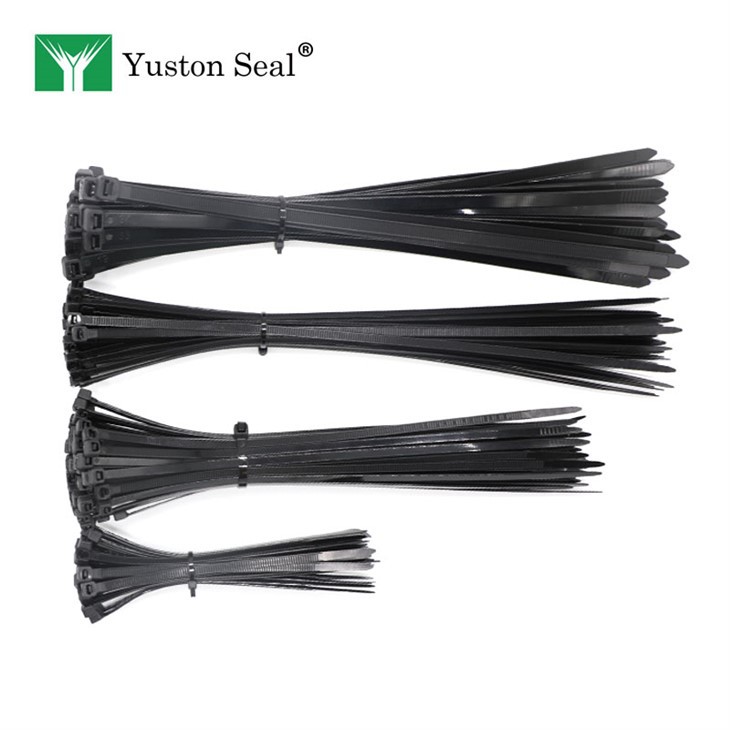
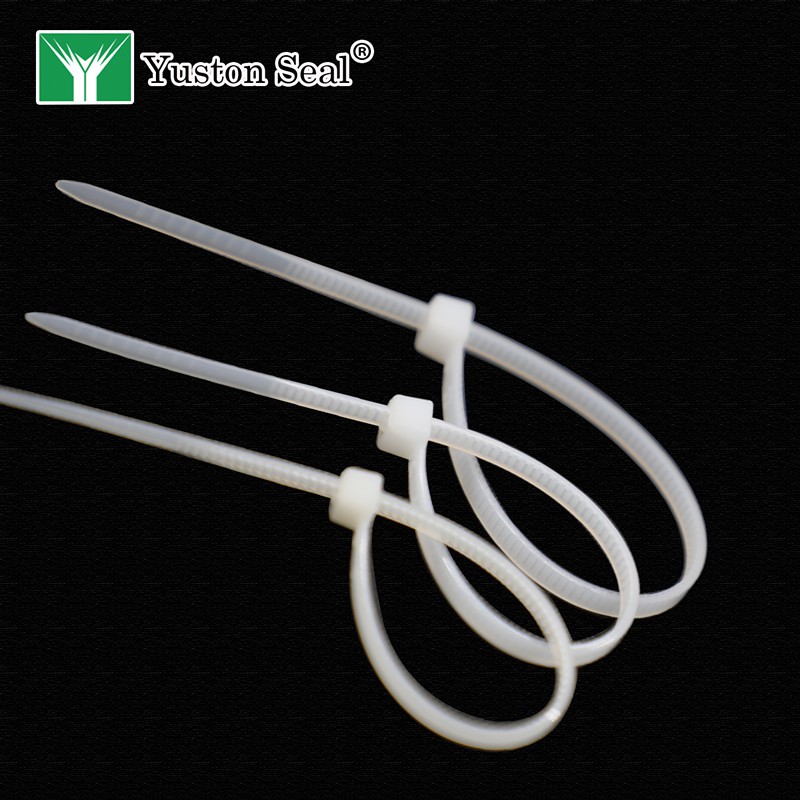
There are different types of nylon cable ties available, each designed to meet specific requirements. For example, White Plastic Cable Ties are often used in applications where aesthetics are important, while Self - locking Cable Ties provide a quick and easy way to secure cables without the need for additional tools. Plastic Cable Tie is a general term that encompasses a wide range of nylon cable ties with different sizes, colors, and features.
Factors Affecting Outdoor Use
UV Radiation
One of the most significant challenges for outdoor use of nylon cable ties is ultraviolet (UV) radiation from the sun. Prolonged exposure to UV rays can cause the nylon material to degrade over time. UV radiation breaks down the chemical bonds in the nylon polymer, leading to a loss of strength, flexibility, and color. This degradation can make the cable ties brittle and more prone to cracking and breaking, especially under stress.
To mitigate the effects of UV radiation, some nylon cable ties are treated with UV stabilizers during the manufacturing process. These stabilizers help to absorb and dissipate the UV energy, reducing the rate of degradation. When selecting nylon cable ties for outdoor use, it is crucial to choose ties that are specifically labeled as UV - resistant.
Temperature Extremes
Outdoor environments can experience a wide range of temperatures, from freezing cold in winter to scorching heat in summer. Nylon cable ties have a certain temperature range within which they can perform optimally. At low temperatures, nylon becomes more rigid and less flexible, which can make it difficult to install the ties and increase the risk of breakage. On the other hand, high temperatures can cause the nylon to soften and lose its strength, reducing its ability to hold the bundled items securely.
Most standard nylon cable ties are designed to operate within a temperature range of - 40°F to 185°F (- 40°C to 85°C). However, for applications in extreme temperature environments, there are specialized nylon cable ties available that can withstand higher or lower temperatures.
Moisture and Corrosion
Outdoor areas are often exposed to moisture in the form of rain, snow, or humidity. Moisture can penetrate the nylon material and cause it to swell, which may affect the tie's performance. Additionally, if the environment contains corrosive substances such as saltwater, chemicals, or pollutants, the nylon cable ties may be subject to corrosion.
Nylon has good resistance to water and many chemicals, but long - term exposure to harsh substances can still cause damage. To protect against moisture and corrosion, some nylon cable ties are coated or treated with a protective layer.
Mechanical Stress
In outdoor settings, nylon cable ties may be subjected to various mechanical stresses, such as wind, vibration, and movement of the bundled objects. These stresses can put additional strain on the ties and increase the likelihood of failure. It is important to choose cable ties with sufficient strength and flexibility to withstand the expected mechanical loads.
Performance in Different Outdoor Environments
Coastal Areas
Coastal areas are characterized by high humidity, saltwater exposure, and strong UV radiation. The salt in the air and water can accelerate the corrosion of nylon cable ties, especially if they are not properly protected. UV - resistant and corrosion - resistant cable ties are essential for use in coastal regions. Regular inspection and replacement of the ties may also be necessary to ensure the continued safety and functionality of the cable management system.
Industrial Outdoor Sites
Industrial outdoor sites often have a combination of harsh environmental factors, including chemical exposure, high temperatures, and mechanical stress. Nylon cable ties used in these areas need to be able to withstand the specific chemicals present in the environment and the high - temperature conditions. Specialized industrial - grade nylon cable ties with enhanced chemical and heat resistance are recommended.
Residential Outdoor Areas
In residential outdoor areas, such as gardens or patios, the environmental conditions are generally less severe. However, the cable ties still need to be able to withstand UV radiation, moisture, and temperature variations. Standard UV - resistant nylon cable ties are usually sufficient for most residential outdoor applications.
Tips for Using Nylon Cable Ties Outdoors
- Choose the Right Type: Select nylon cable ties that are specifically designed for outdoor use, with features such as UV resistance, temperature tolerance, and corrosion resistance.
- Proper Installation: Follow the manufacturer's instructions for installing the cable ties. Avoid over - tightening or under - tightening the ties, as this can affect their performance.
- Regular Inspection: Periodically inspect the cable ties for signs of damage, such as cracking, brittleness, or discoloration. Replace any damaged ties immediately.
- Consider Environmental Factors: Take into account the specific environmental conditions of the outdoor area, such as UV exposure, temperature range, and moisture levels, when selecting the cable ties.
Conclusion
In conclusion, nylon cable ties can be used outdoors, but it is essential to consider the environmental factors that can affect their performance. By choosing the right type of cable ties, ensuring proper installation, and conducting regular inspections, customers can ensure the long - term reliability of the cable management system in outdoor settings.
As a nylon cable tie supplier, we offer a wide range of high - quality nylon cable ties that are suitable for various outdoor applications. Our ties are designed to meet the highest standards of quality and performance, with features such as UV resistance, temperature tolerance, and corrosion resistance. If you are in need of nylon cable ties for your outdoor project, we invite you to contact us for more information and to discuss your specific requirements. We look forward to working with you to provide the best cable management solutions.
References
- ASTM International. (2023). ASTM standards related to plastics and polymers.
- Nylon Manufacturers Association. (2023). Technical information on nylon materials.
- Various industry reports on cable management products.