

Padlock seals are versatile security devices that have been used in various industries for a long time. As a padlock seal supplier, I often receive inquiries about whether padlock seals can be used on doors. In this blog post, I will explore this question in detail, discussing the types of padlock seals suitable for doors, their advantages and limitations, and how to choose the right one for your needs.
Types of Padlock Seals Suitable for Doors
There are several types of padlock seals that can be used on doors, each with its own unique features and applications.
Plastic Padlock Seal
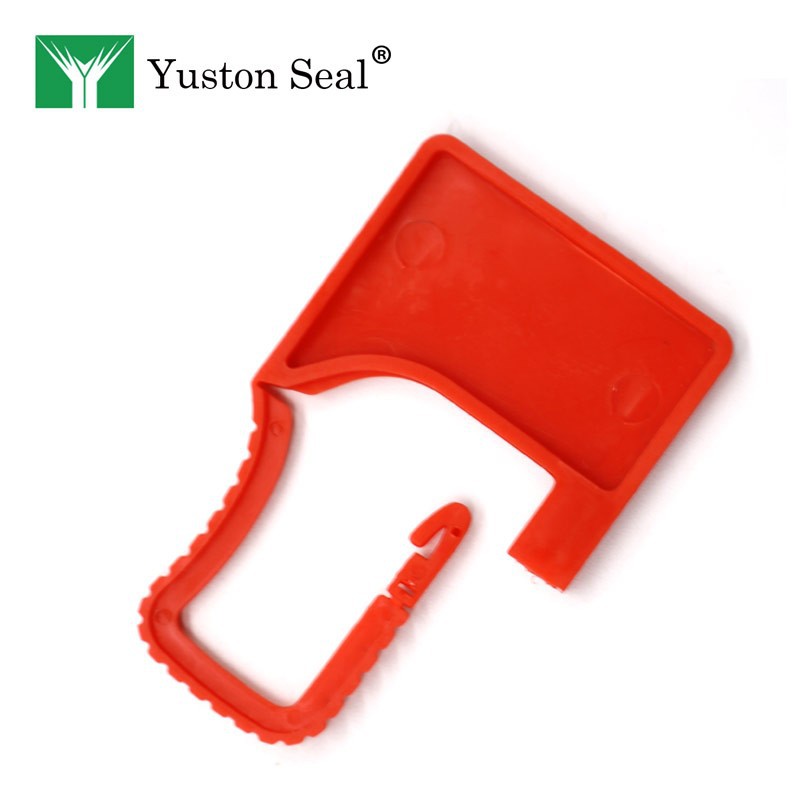
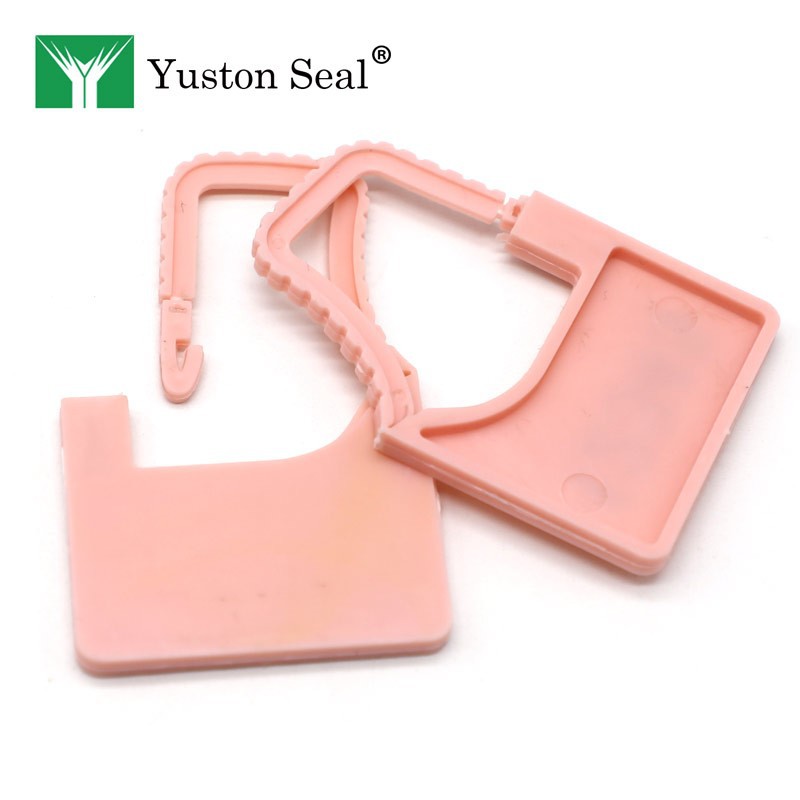
Plastic Padlock Seal is a popular choice for door security. These seals are made of high - strength plastic materials, which are lightweight, cost - effective, and easy to install. They come in different colors, sizes, and designs, allowing you to choose the one that best suits your requirements. Plastic padlock seals are often used for temporary or low - security applications, such as locking storage rooms, cabinets, or containers. They can provide a visible indication of tampering, as any attempt to break the seal will be obvious.
Disposable Padlock Seal
Disposable Padlock Seal is another option for door security. As the name suggests, these seals are designed to be used once and then discarded after use. They are typically made of plastic or metal and are often used in situations where a high level of security is required for a short period. For example, in event venues, disposable padlock seals can be used to secure doors during the event to prevent unauthorized access. Once the event is over, the seals can be easily removed and replaced.
Plastic Padlock Wire Seals
Plastic Padlock Wire Seals are a combination of plastic and wire. The wire provides additional strength and security, while the plastic body makes it easy to mark and identify the seal. These seals are commonly used in transportation and logistics industries to secure shipping containers and trucks. However, they can also be used on doors, especially those that require a more robust security solution. The wire can be threaded through the door hasp or other locking mechanisms, and the plastic body can be sealed to prevent tampering.
Advantages of Using Padlock Seals on Doors
Visible Tamper Evidence
One of the main advantages of using padlock seals on doors is the visible tamper evidence. Any attempt to open the door without breaking the seal will be obvious, which can act as a deterrent to potential intruders. This is especially important in situations where you need to monitor access to a particular area, such as a storage facility or a restricted room.
Cost - Effective
Padlock seals are generally more cost - effective than traditional locking systems. They are relatively inexpensive to purchase and install, making them a great option for businesses or individuals on a budget. Additionally, since some padlock seals are disposable, you don't have to worry about the cost of maintenance or replacement.
Easy to Install
Most padlock seals are easy to install, even for those with limited technical skills. You don't need any special tools or equipment to install a padlock seal on a door. Simply thread the seal through the locking mechanism and secure it in place. This makes it a convenient option for both temporary and permanent door security solutions.
Versatility
Padlock seals come in a wide range of sizes, shapes, and materials, which makes them suitable for different types of doors and applications. Whether you have a small cabinet door or a large industrial door, there is a padlock seal that can meet your needs.
Limitations of Using Padlock Seals on Doors
Limited Security Level
While padlock seals can provide a certain level of security, they may not be suitable for high - security applications. For example, a determined intruder may be able to break a plastic padlock seal with relative ease using simple tools. In such cases, more advanced locking systems, such as electronic locks or biometric locks, may be required.
Environmental Factors
Padlock seals can be affected by environmental factors such as extreme temperatures, humidity, and exposure to chemicals. Over time, these factors can cause the seal to degrade or become brittle, reducing its effectiveness. Therefore, it is important to choose a padlock seal that is suitable for the environmental conditions in which it will be used.
Lack of Key Control
Unlike traditional padlocks, padlock seals do not require a key to open. While this can be an advantage in some situations, it also means that there is no centralized key control. Anyone with the means to break the seal can access the door, which may pose a security risk in some environments.
How to Choose the Right Padlock Seal for Your Door
When choosing a padlock seal for your door, there are several factors to consider:
Security Requirements
Assess the level of security you need for your door. If you are looking for a temporary or low - security solution, a plastic padlock seal may be sufficient. However, if you require a higher level of security, such as in a high - value storage facility or a restricted area, you may want to consider a more robust option, such as a plastic padlock wire seal or a metal disposable padlock seal.
Door Type
The type of door you have will also affect your choice of padlock seal. For example, if you have a small cabinet door, a small - sized plastic padlock seal may be appropriate. On the other hand, if you have a large industrial door, you may need a larger and more durable padlock seal.
Environmental Conditions
Consider the environmental conditions in which the padlock seal will be used. If the door is exposed to extreme temperatures, humidity, or chemicals, choose a seal that is resistant to these factors. For example, some padlock seals are made of materials that are UV - resistant, which makes them suitable for outdoor use.
Marking and Identification
If you need to identify the seal or mark it with specific information, such as a serial number or a company logo, choose a padlock seal that allows for easy marking. Some plastic padlock seals have a smooth surface that can be marked with a pen or a label, while others can be engraved or printed with custom information.
Conclusion
In conclusion, padlock seals can be used on doors, and they offer several advantages, including visible tamper evidence, cost - effectiveness, easy installation, and versatility. However, they also have some limitations, such as limited security level and susceptibility to environmental factors. When choosing a padlock seal for your door, it is important to consider your security requirements, the type of door, the environmental conditions, and the need for marking and identification.
As a padlock seal supplier, we offer a wide range of high - quality padlock seals to meet your diverse needs. If you are interested in purchasing padlock seals for your doors or have any questions about our products, please feel free to contact us for further information and to start a procurement discussion. We are committed to providing you with the best security solutions at competitive prices.
References
- "Security Seals: A Comprehensive Guide" by Security Seal Association
- "The Basics of Door Security" by Door Security Institute