

As a seasoned supplier of plastic cable ties, I often get asked about the versatility of these simple yet incredibly useful products. One question that comes up frequently is whether plastic cable ties can be used for attaching objects to a fence. In this blog post, I'll explore the viability of using plastic cable ties for this purpose, considering factors such as durability, strength, and practicality.
The Basics of Plastic Cable Ties
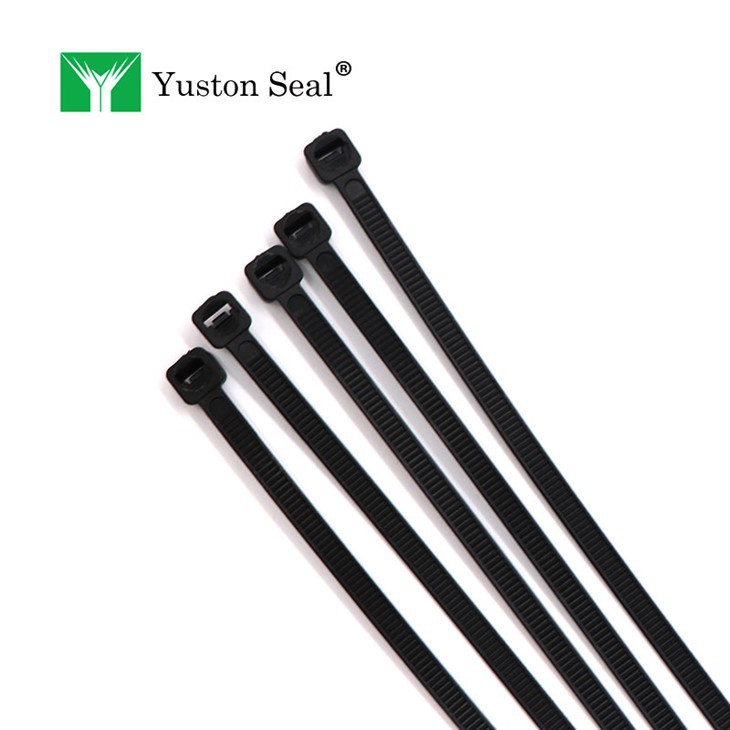
Before delving into their use for fence attachments, let's first understand what plastic cable ties are. Plastic cable ties, also known as zip ties, are fasteners used to bundle and secure various items together. They are typically made from nylon, a strong and durable thermoplastic. The design of a plastic cable tie features a flexible strap with teeth on one side and a ratchet mechanism at the head. When the strap is inserted through the ratchet, it locks in place, creating a secure hold.
There are different types of plastic cable ties available, including Small Plastic Cable Ties, which are ideal for lightweight applications, and Plastic Cable Tie in various sizes for more heavy - duty tasks. Self - locking Cable Ties offer added convenience with their easy - to - use self - locking feature.
Advantages of Using Plastic Cable Ties for Fence Attachments
1. Ease of Use
One of the primary advantages of using plastic cable ties for attaching objects to a fence is their simplicity. They can be easily installed without the need for special tools. All you need to do is thread the cable tie through the fence and around the object you want to attach, then pull it tight until it locks. This makes them a popular choice for quick and easy installations, whether you're a DIY enthusiast or a professional installer.
2. Versatility
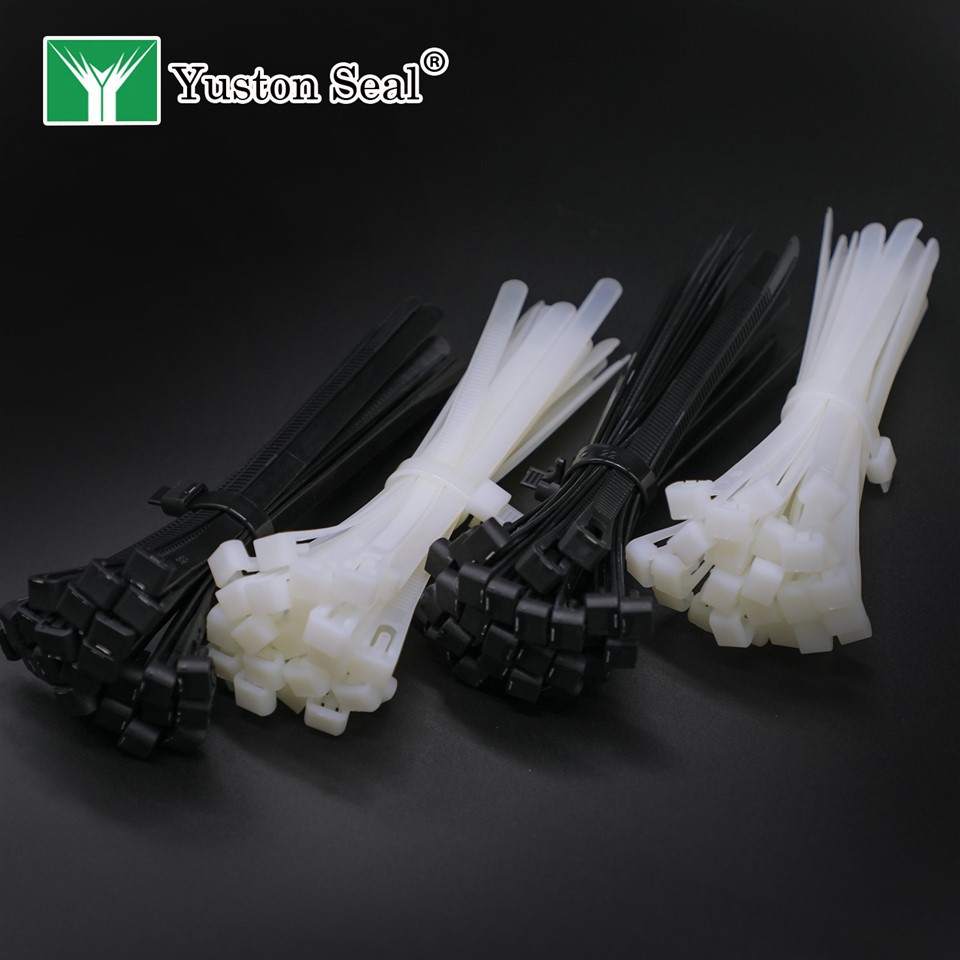
Plastic cable ties come in a wide range of sizes and colors, allowing you to choose the most appropriate option for your specific needs. You can use small cable ties for attaching lightweight items such as plant labels or small signs, while larger cable ties are suitable for securing heavier objects like bird feeders or garden decorations. Additionally, they can be used with different types of fences, including chain - link, wooden, and vinyl fences.
3. Cost - Effective
Compared to other fastening methods, plastic cable ties are relatively inexpensive. You can purchase them in bulk at a low cost, making them a budget - friendly option for attaching multiple objects to a fence. This is especially beneficial for large - scale projects or when you need to make frequent attachments.
4. Corrosion Resistance
Most plastic cable ties are made from materials that are resistant to corrosion, making them suitable for outdoor use. They can withstand exposure to various weather conditions, including rain, sunlight, and extreme temperatures, without deteriorating. This ensures that your attachments remain secure over time, even in harsh environments.
Considerations When Using Plastic Cable Ties for Fence Attachments
1. Load Capacity
It's important to consider the weight and size of the object you want to attach to the fence. Different cable ties have different load capacities, so you need to choose the appropriate size and strength to ensure a secure attachment. If you're attaching a heavy object, using multiple cable ties or larger - gauge cable ties may be necessary.
2. UV Resistance
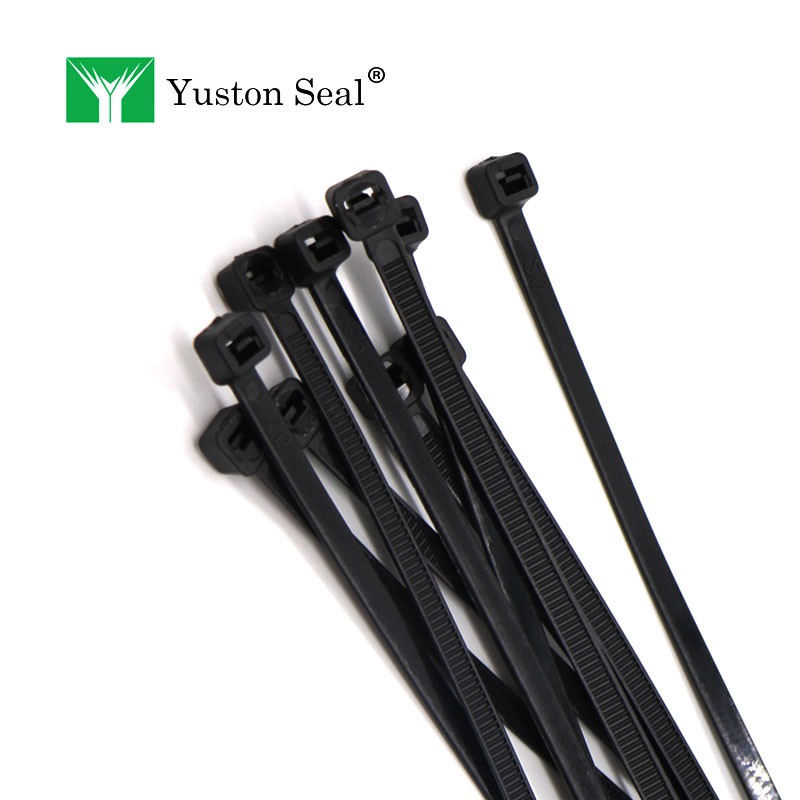
If the fence is located in an area with direct sunlight, it's crucial to choose cable ties with UV - resistant properties. Prolonged exposure to sunlight can cause the plastic to become brittle and break over time. UV - resistant cable ties are designed to withstand the harmful effects of the sun, ensuring long - term durability.
3. Tightening and Installation
Proper tightening of the cable tie is essential for a secure attachment. Over - tightening can cause the cable tie to break, while under - tightening may result in the object becoming loose. It's recommended to use a cable tie tensioner to ensure consistent and appropriate tightening. Additionally, make sure to install the cable tie in a way that distributes the weight evenly and minimizes stress on the tie.
Practical Applications of Plastic Cable Ties on Fences
1. Gardening
In a garden setting, plastic cable ties can be used for a variety of purposes. You can use them to attach plant supports to a fence, helping your plants grow upright. They are also useful for securing trellises or netting to the fence, providing a structure for climbing plants. Small cable ties can be used to label different plant varieties, keeping your garden organized.
2. Home and Outdoor Decor
For home and outdoor decor, plastic cable ties are a great way to attach wind chimes, birdhouses, or decorative signs to a fence. They allow you to easily change the placement or type of decoration as desired. You can also use them to secure holiday lights to the fence, adding a festive touch to your outdoor space.
3. Security and Organization
Plastic cable ties can be used to secure tools or equipment to a fence in a garage or shed, keeping them organized and easily accessible. They can also be used to attach security cameras or sensors to a fence, enhancing the security of your property.
Conclusion
In conclusion, plastic cable ties can be an excellent choice for attaching objects to a fence. Their ease of use, versatility, cost - effectiveness, and corrosion resistance make them a practical option for a wide range of applications. However, it's important to consider factors such as load capacity, UV resistance, and proper installation to ensure a secure and long - lasting attachment.
If you're interested in purchasing high - quality plastic cable ties for your fence attachment needs, we're here to help. Our extensive range of Small Plastic Cable Ties, Plastic Cable Tie, and Self - locking Cable Ties offers the perfect solution for any project. Feel free to contact us to discuss your requirements and start a procurement negotiation.
References
- "Nylon Cable Ties: Properties and Applications" - Industry research report on cable tie materials and uses.
- "Outdoor Fastening Solutions" - A guide to various outdoor fastening methods, including the use of plastic cable ties.