
Why choose us
Our Product
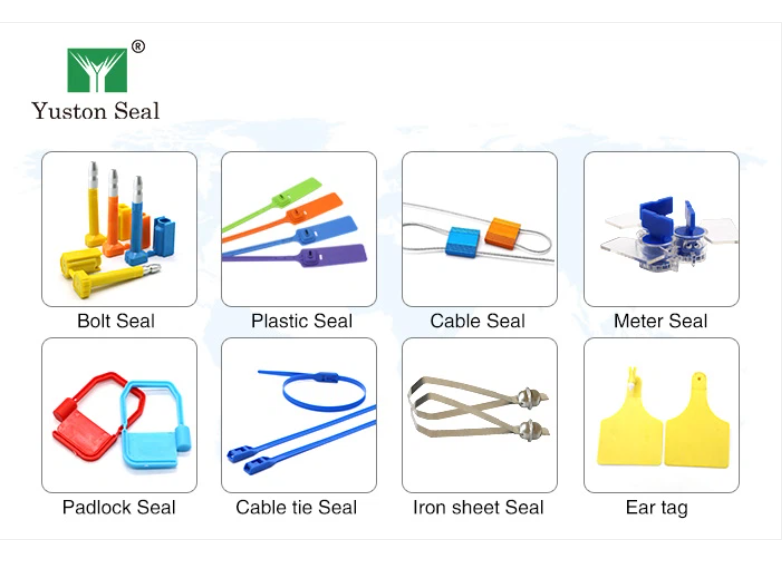
Our main bolt seal, plastic seal, cable seal,meter seal, ear tag, cable tie, padlock seal, container lock, metal belt seal we can provide free samples, product color and size are customized, manufacturers direct sales of a variety of models are in stock.
Advanced Equipment
Our company has professional production of more than 360 blockade equipment, covering an area of more than 10,000 square acres, become a comprehensive and capable enterprise integrating R&D, design, production and sales.
Application
Products are widely used in customs, ports, logistics, postal services, supermarkets, banks, oil companies, security, electricity, animal husbandry and other industries.
Quality Control
We have professional personnel to monitor the production process, inspect the products and ensure that the final product meets the required quality level standards, guidelines and specifications.
Place of Origin: Shandong, China
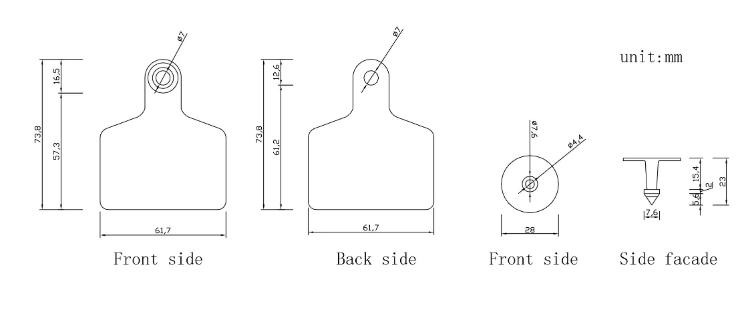
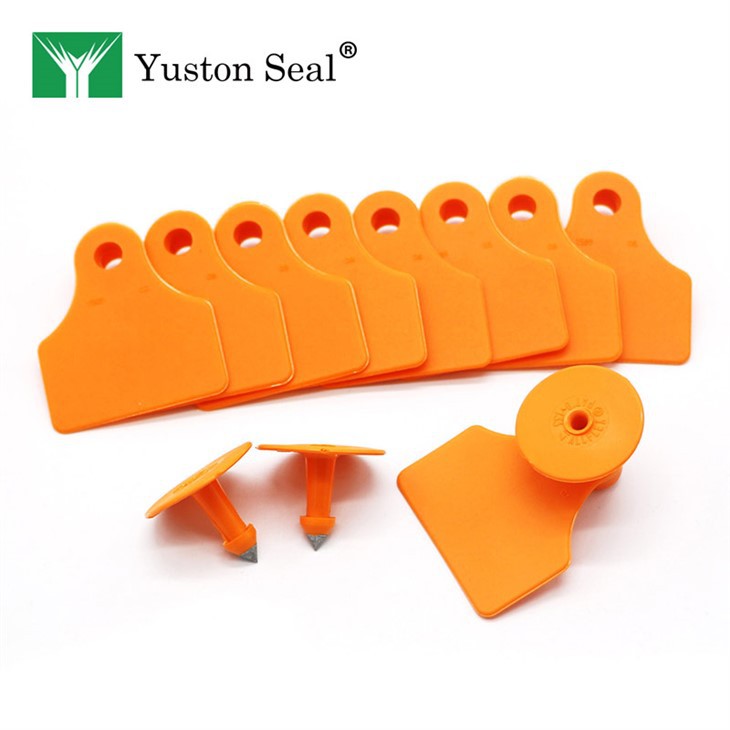
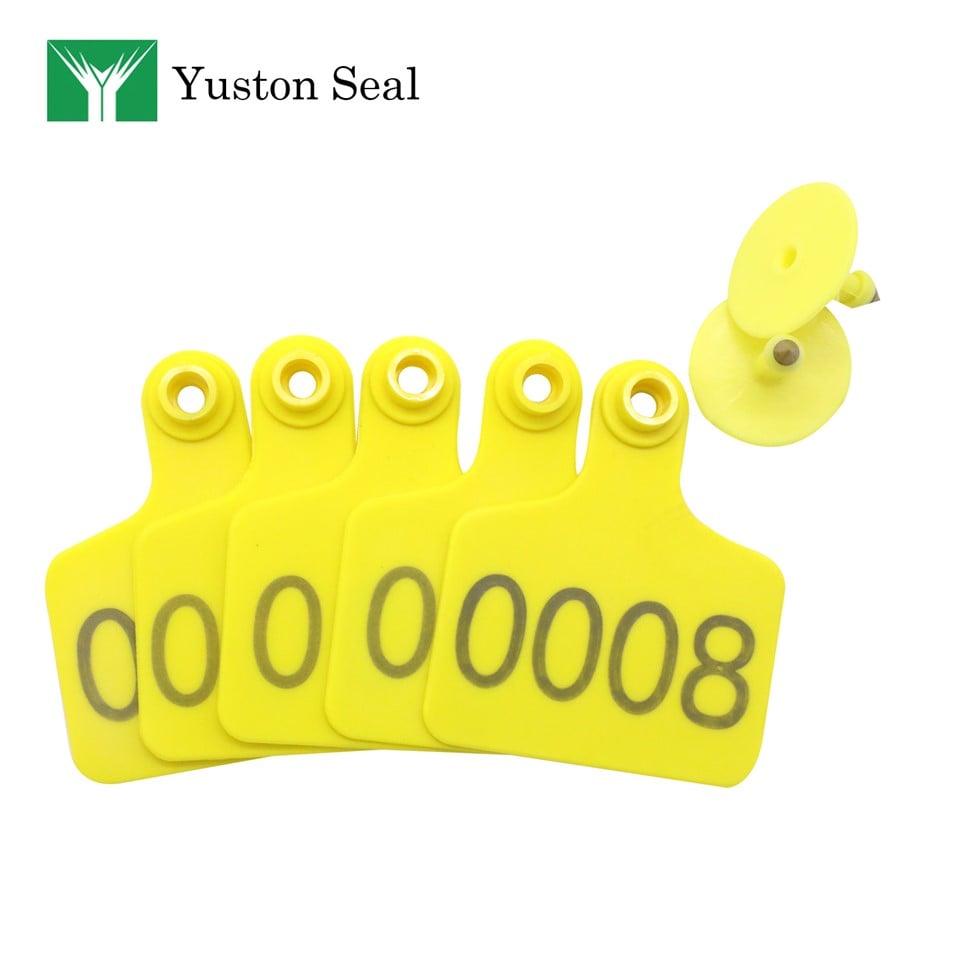
Model Number: YTET014 Ear Tag
Size: 62*70mm
Packing size: 53*32*14cm

Material: TPU
Color: Yellow,White,Blue,Green,Red,Orange and so on
Imprinting: Laser engraving/Hot stamping
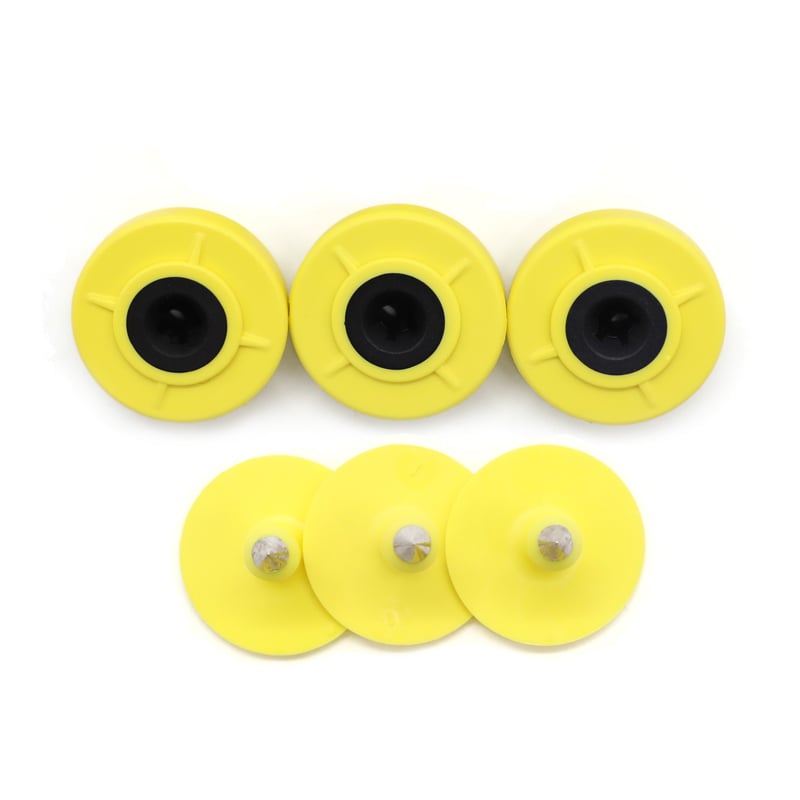
Material: TPU
Standard: EPC Global Class L Gen 2 ISO 1800-6C
Specification: Master standard: diameter 30mm height 14mm
Antenna chip: Cu27 H3 Cu27 H4
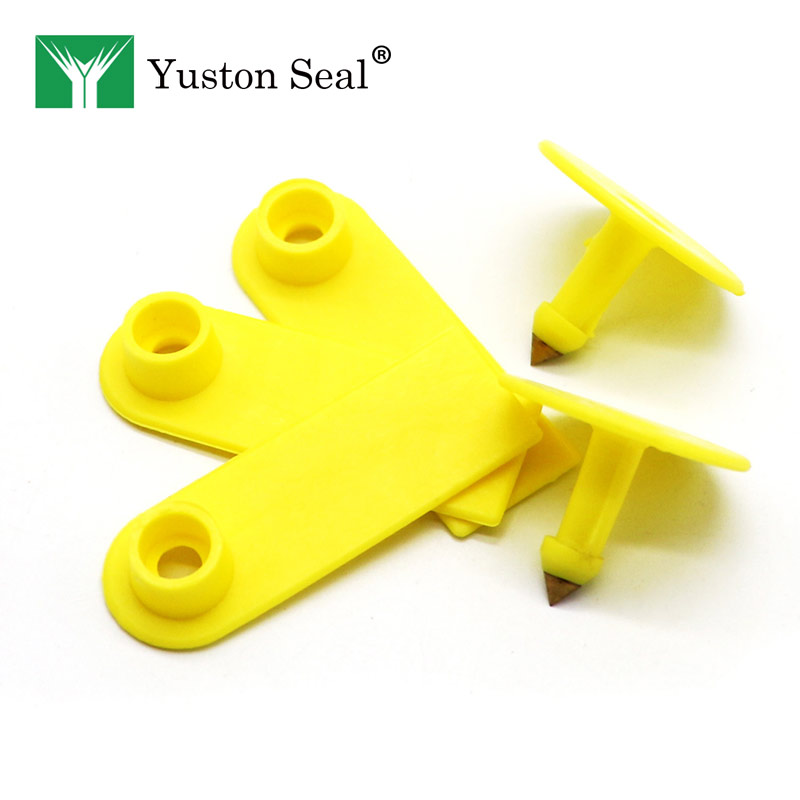
High quality TPU material.
Non-toxic, environment-friendly, corrosion-resistant, anti-ultraviolet, oxidation-resistant with no peculiar smell.
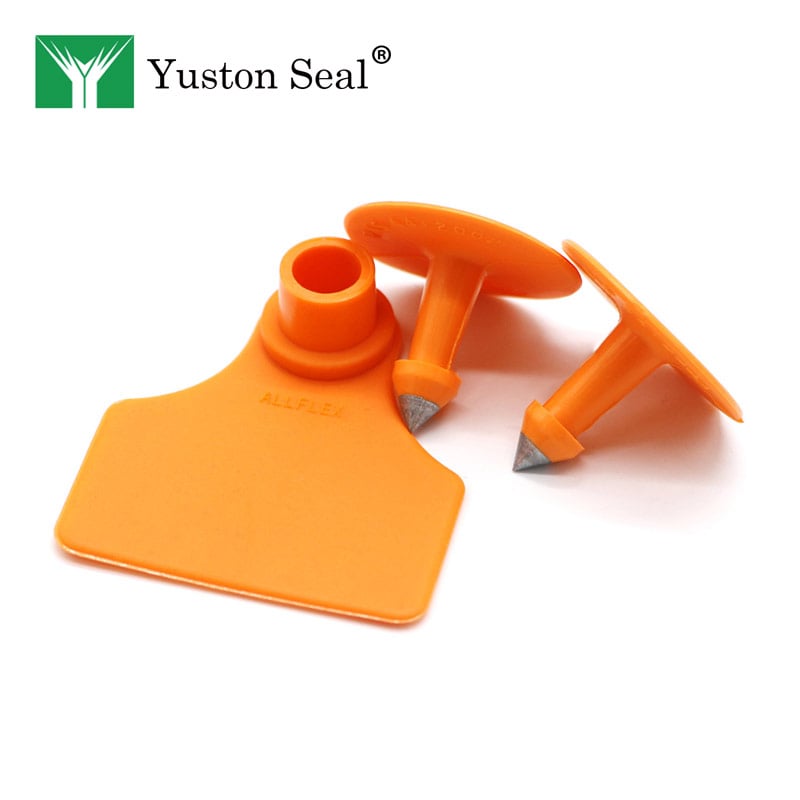
We offer a comprehensive range of animal ear tags designed to meet a variety of livestock management needs. Our ear tags are an important tool for the identification and management of a wide range of animals including cattle, sheep, goats and pigs.
What is Ear Tag
Ear tags provide a visual aid for unique identification (such as a flock or premise number) and can help to identify sex, year of birth, sire, dam and much more.
Benefits of Ear Tag
Ease of Identification and Data Integration
Plastic ear tags provide a straightforward and efficient way to identify individual cattle, which is crucial for managing large herds. They allow for continuous real-time identification when combined with video systems, achieving a 93% accuracy rate in identifying the correct cow from live-stream video feeds.
Cost-Effectiveness and Practicality
Compared to other identification methods like muzzle imaging, plastic ear tags are more cost-effective and easier to implement on a large scale. While muzzle imaging offers high accuracy, it requires more sophisticated technology and processing, which may not be feasible for all farmers.
Challenges and Considerations
Despite their advantages, plastic ear tags can cause physical discomfort and potential injuries to cattle. Studies have shown that ear tags can lead to prolonged wound healing and mechanical irritation, suggesting a need for improved designs and application techniques.
Proper Ear Tagging Techniques for Dairy Calves
Look at the most recent recommendations for ear tag application prep, timing, and placement.
Preparation
First, ensure you have enough tags and applicators on hand to handle several months of expected calf births on the dairy. When ordering additional tagging equipment, allow ample time for delivery in case of shipping delays.
Next, create an efficient and safe workstation for staff, ensuring that tagging equipment is ready and calves can be handled quickly and efficiently to minimize stress.
Taggers should be kept in good working order, with extras on hand. An old and rusty tag applicator may be difficult to squeeze or make a loud noise that could startle the calf. New, lightweight, ergonomic applicators are more comfortable for both the calf and the person doing the tagging.
Timing
The best time to apply an ear tag is while the calf is being processed after birth, before being transported to an individual pen or hutch. This timing ensures that accurate dam information is recorded along with the identification number.
While applying ear tags, it's also a good time to take tissue samples for genomic screening and bovine viral diarrhea (BVD) diagnostics.
Biosecurity
Use proper hygiene to prevent the spread of bacteria and viruses, such as bovine papillomavirus or bovine leucosis, from calf to calf.
To prevent infection, wash hands and use gloves for tagging, clean the tagger with alcohol or other disinfectants, and place equipment on a hygienic surface to minimize the transmission of unhealthy microbes.
Training
Train workers on the manufacturer's instructions for loading the tag, pin, and button into the applicator.
A common mistake is applying the tag backward, so double-check to ensure staff know how to load the tag properly into the applicator before catching the calf.
Position and Placement
During tagging, approach the calf slowly and calmly. Gently position the calf's head to allow access to the ears. The best way is often to position the calf with its head between your legs, facing in the same direction as the calf. Make sure the ear is clean, clearing away any debris or hair.
What Animals Use Livestock Ear Tags?
Sheep, goats, cattle, and pigs most often will have ear tags. While some herd animals, like cattle, are identified individually, other animals, like sheep and goats, are typically identified by the herd. Some animals may require more than one ID tag. Other animals, like poultry, are often identified by the use of leg bands.
Why Do Livestock and Farm Animals Need Ear Tags?
Identification
Ear tags provide a simple and effective method of identifying individual animals. Each tag typically contains a unique alphanumeric code or number associated with specific information about the animal, such as its breed, age, sex, health records, and ownership details. This identification system helps farmers and livestock managers maintain accurate records and track individual animals throughout their lives.
Traceability
In many countries, there are strict regulations and standards regarding animal traceability. Ear tags play a crucial role in ensuring traceability by providing a means to identify and track animals in the event of disease outbreaks, food safety concerns, or any other issues related to public health or animal welfare. If a problem arises, it becomes easier to identify and locate the source of the issue and take appropriate actions to contain it.
Management and Record-Keeping
Ear tags are essential tools for effectively managing livestock operations. By tagging animals, farmers can keep track of important information such as breeding history, health treatments, vaccination records, and production data. This information aids in making informed decisions about breeding programs, culling, health management, and overall herd or flock management.
Herd or Flock Organization
Ear tags help maintain the overall organization of a herd or flock. They enable farmers to group animals based on various criteria, such as age, sex, health status, or production traits, by easily identifying them through their tags. This facilitates efficient handling, sorting, and management of animals during activities like feeding, veterinary care, breeding, and transportation.
Types of Ear Tag
Although there are many shapes of ear tags, the main types in current use are as follows:
Flag-shaped ear tag
Two discs joined through the ear, one or both bearing a wide, flat plastic surface on which identification details are written or printed in large, easily legible script.
Button-shaped ear tag
Two discs joined through the ear.
Plastic clip ear tag
A moulded plastic strip, folded over the edge of the ear and joined through it.
Metal ear tag
An aluminum, steel, or brass rectangle with sharp points, clipped over the edge of the ear, with the identification stamped into it.
Why are ear tags important?
To indicate sex
By using a different colour for the different sexes or installing the tag on different ears, ear tags can be used as a quick indicator of an animal's sex. This is especially important on large farms where the farmers may not have the time to check each animal's sex at a go. For males the tag can be inserted in the left ear, and in the right ear for females. Similarly, a farmer may opt to use yellow tags for females and black tags for the males.
Indicating the year of birth
Indicating the year of birth on a tag (this can be done by the use of a letter to represent a certain year), a farmer is able to tell the age of the animal from metres away. This will eliminate the need for practices such as checking teeth to tell the age of the animal.
To indicate problems
To allow rapid identification of animals in need of a procedure such as culling or dehorning, the information can be listed on the ear tag. On the day of treatment, veterinarians are able to quickly and positively identify the animals in need of treatment.
To mark twins or triplets
This is done mainly for purposes of breeding. To prevent inbreeding among a farmer's flock, it is important to enable identification of twins or triplets. This is also important when sorting animals for sale.To do this, you can use differently colored ear tags for your animals. For instance, use yellow for singles, blue for twins and green for triplets.
Ear tagging can be problematic if not done correctly; tags can be torn out by hay twine or heavy brush, leading to infected ears or possibly eye irritation if the tags hit the eye during ear twitching.
Properly Secure the Animal
Movement of the animal's head may cause injury to the handler or livestock, or result in improper tagging. Calves should be eased into a chute with a head gate, halter, and/or nose lead.
Identify the Tagging Site
Tags should be applied in the middle third of the ear, between the upper and lower ribs. When using electronic identification (EID) tags, it's important to apply the tag with the visual panel (or male portion) on the outside back of the ear, while the female portion of the tag goes on the inside.
Use Proper Hygiene and Cleanliness
Clean the jaw of the applicator with rubbing alcohol or a disinfectant solution, and also clean the tagging site on the animal's ear.
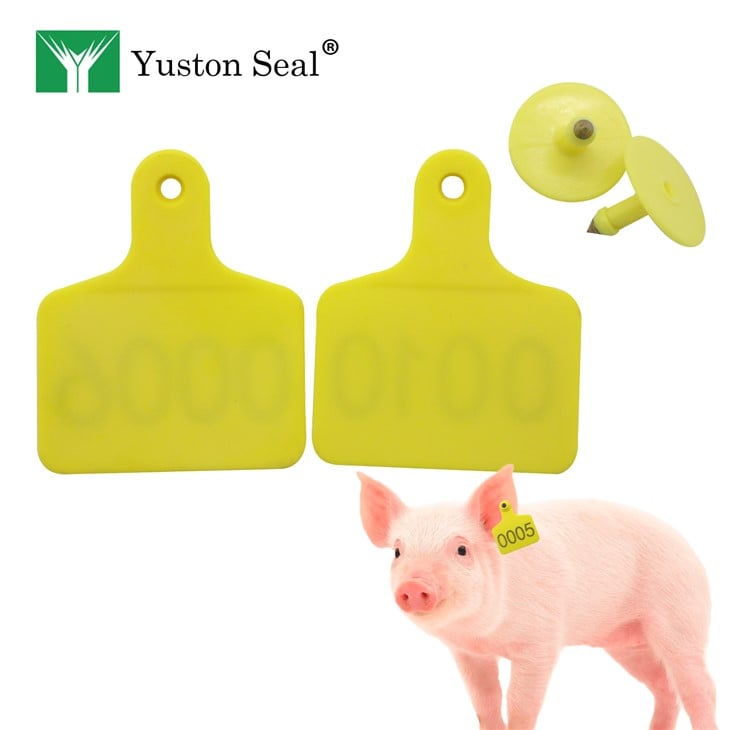
Place Each Half of the Tag onto the Applicator
The stud must be fully inserted onto the applicator pin, and the female portion should be placed under the opposite clip.
Check Alignment of the Tagger
Close the jaw of the applicator to the point where the two halves meet. The stud should be centered with the hole.
Position the Applicator
Again, this should be at the identified tagging site on the animal's ear. Firmly close the applicator quickly and release.
Examine the Tag
Verify that the tag is positioned correctly, comfortably, and securely. Record the necessary data on the animal.
Before learning how to tag cattle ears, you should first gather the materials you'll need to guarantee the success of the process. The tools you'll need include:
Ear tags
Choose the appropriate tag based on your specific needs. Cattle ear tags come in various types, such as plastic, metal, flag-shaped and electronic tags. Make sure to select the right tags and colours to suit your preferences.
Tag applicator
Ensure that the applicator is suitable for the type of cattle ear tag you have chosen because some varieties require specific applicators. Some applicators have inbuilt studs and buttons that help to attach certain types of cattle ear tags firmly. Above all, select an applicator that is user-friendly and enables precise tag placement.
Disinfectant solution
The disinfectant solution is used to sterilize the tag applicator and the cow's ears before tagging. Disinfection helps to prevent infections and eliminates the risk of complications.
Record-keeping tools
These tools consist of a pen, paper or a digital device that serves to record accurate information about every tagged animal.
Additional considerations
This may involve a first aid kit and restraint instruments to handle unexpected injuries and secure the animal during tagging.
Choosing the Right Ear Tags
Ear tags serve multiple purposes, including:
● Identification: They help distinguish individual animals, which is crucial for record-keeping and managing breeding programs.
● Health Monitoring: Tags can be used to track medical history and vaccination schedules.
● Traceability: In case of disease outbreaks, ear tags enable quick identification and isolation of affected animals.
Ear tags come in various types, each suited for different needs:
● Visual Identification Tags: These tags are marked with numbers or barcodes and are easily visible.
● Electronic Identification (EID) Tags: These use Radio Frequency Identification (RFID) technology to store and transmit data. They are useful for automated data collection and management.
● Multi-Layer Tags: These combine visual and electronic elements, offering comprehensive identification solutions.
Choosing the right material is crucial for the longevity and effectiveness of ear tags. Common materials include:
● Plastic: Durable and resistant to harsh weather conditions; ideal for long-term use.
● Metal: Extremely durable but may cause discomfort to the animal if not properly applied.
● Rubber: Flexible and comfortable for the animal but may not last as long as plastic or metal.
The size and shape of the ear tag should be appropriate for the animal species and age. Key considerations include:
● Large Tags: Easier to read from a distance but may be cumbersome for smaller animals.
● Small Tags: More suitable for young or small animals but may be harder to read.
● Shapes: Rounded edges prevent injury to the animal and reduce the risk of tag loss.
Proper application ensures the tag remains secure and minimizes discomfort for the animal. Tips for effective application include:
● Clean the Ear: Ensure the ear is clean to prevent infections.
● Correct Positioning: Place the tag in the middle third of the ear to avoid blood vessels.
● Secure Fastening: Use the appropriate applicator to ensure the tag is firmly attached.
Ensure that the ear tags you choose comply with local and international livestock identification regulations. This is crucial for participating in trade and ensuring traceability.
While cost is an important factor, it should not be the sole determinant. Invest in high-quality tags that offer durability and reliability to avoid frequent replacements.
Choose a reputable supplier known for providing high-quality and reliable ear tags. Medilink Vet Suppliers, for instance, offers a wide range of ear tags that cater to different livestock needs, ensuring durability and effectiveness.
Our Factory
Shandong Yuston New Material Co., Ltd.Quality supplier is located in the beautiful coast of Bohai sea - Dezhou, China. It is an integrated and high-level enterprise with the ability to research and development, design, produce, and sales; and it has professional factory which produce plastic seals, stopcock, cable seals, meter seals, bolt seals, RFID electronic seals, plastic cable seals, containers, and GPS seals. Yutong is an excellent manufacturer and exporter of security seals in China.

FAQ
| Place of Origin | Shandong, China |
|
| Model Number | YTET014 Ear Tag | |
| Size | 62*70mm | |
| Packing size | 53*32*14cm | |
| Material | TPU | |
| Use | pig, cattle, sheep, cow, goat, etc | |
| Application | Livestock Management | |
| MOQ | 100pcs | |
| Color | Customized Color |