

Ear tags play a pivotal role in genetic selection, a process that is crucial for the improvement and sustainability of livestock populations. As a leading supplier of high - quality ear tags, I've witnessed firsthand how these small devices can have a profound impact on the breeding and genetic advancement of animals. In this blog, I will delve into the various ways ear tags assist in genetic selection and why they are an indispensable tool for modern livestock management.
Identification and Record - Keeping
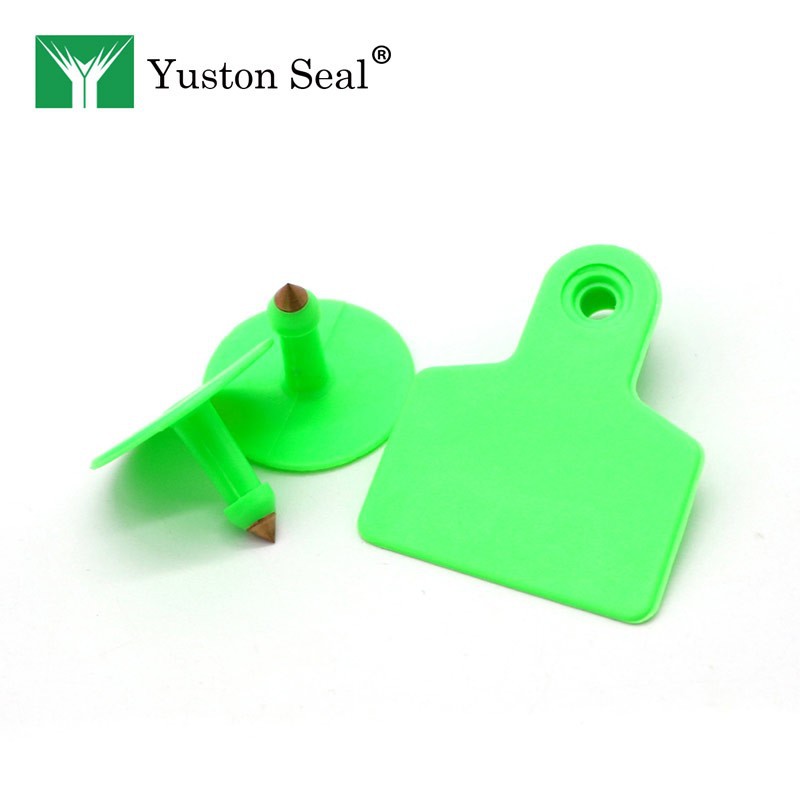
The most fundamental function of ear tags in genetic selection is identification. Each ear tag is assigned a unique number or code, which serves as a permanent identifier for the animal. This allows farmers and breeders to keep accurate records of individual animals throughout their lives. For example, when a calf is born, an Ear Tag For Cows can be immediately attached to its ear. From that moment on, all information related to the animal, such as its birth date, parentage, and any health events, can be linked to this unique identifier.
Accurate record - keeping is essential for genetic selection because it enables breeders to track the performance of individual animals and their descendants over time. By analyzing data such as growth rate, milk production, and disease resistance, breeders can make informed decisions about which animals to use for breeding. For instance, if a cow with a particular ear tag has consistently high milk production and her offspring also show similar traits, she may be a prime candidate for further breeding to pass on these desirable genes.
Pedigree Tracking
Ear tags are also vital for pedigree tracking, which is the process of tracing an animal's ancestry. Knowing an animal's pedigree is crucial for genetic selection because it provides information about the genetic makeup of the animal. By using ear tags to identify animals in each generation, breeders can build detailed pedigrees that show the relationships between different animals.
For example, if a breeder wants to introduce a new bloodline into their herd, they can use ear tags to trace the pedigree of potential breeding animals. By analyzing the pedigrees, they can ensure that the new animals carry the desired genetic traits and do not introduce any unwanted genetic defects. This helps to maintain and improve the overall genetic quality of the herd.
Data Collection and Analysis
In modern livestock management, data collection and analysis are key components of genetic selection. Ear tags, especially those equipped with electronic or RFID (Radio - Frequency Identification) technology, can greatly facilitate this process. These smart ear tags can store and transmit data about the animal, such as its location, activity level, and health status.
For example, RFID ear tags can be read by sensors placed in various locations on the farm, such as at feeding stations or milking parlors. This allows for real - time data collection on an animal's behavior and performance. Breeders can then use this data to analyze the genetic traits associated with different behaviors. For instance, if an animal with a particular ear tag is more active and has a higher growth rate, it may indicate a genetic predisposition for better feed conversion efficiency.
By collecting and analyzing large amounts of data from ear tags, breeders can use advanced statistical methods to identify animals with the best genetic potential. This data - driven approach to genetic selection is much more accurate and efficient than traditional methods, which relied mainly on visual assessment.

Monitoring Genetic Diversity
Maintaining genetic diversity is essential for the long - term health and sustainability of livestock populations. Ear tags can help breeders monitor genetic diversity by allowing them to keep track of the relatedness between animals. By avoiding inbreeding, which can lead to the expression of harmful recessive genes, breeders can ensure that their herds have a wide range of genetic traits.
For example, if a breeder notices that two animals with closely related ear tags are being considered for breeding, they can use the pedigree information associated with the ear tags to determine the level of relatedness. If the relatedness is too high, they can choose other animals for breeding to maintain genetic diversity. This is particularly important in small or specialized livestock populations, where the risk of inbreeding is higher.
Facilitating Selective Breeding
Ultimately, the goal of genetic selection is to use selective breeding to improve the genetic quality of livestock populations. Ear tags make this process much more efficient and effective. By accurately identifying animals, tracking their pedigrees, collecting data, and monitoring genetic diversity, breeders can make targeted decisions about which animals to breed together.
For example, if a breeder wants to improve the meat quality of their cattle, they can use ear tags to identify animals with the best genetic potential for meat production. They can then breed these animals together to produce offspring with even better meat quality. This selective breeding process can be repeated over multiple generations to gradually improve the overall genetic quality of the herd.
The Role of Our Ear Tags in Genetic Selection
As a supplier of Livestock Ear Tags and Cow Number Tags, we understand the importance of providing high - quality products that meet the needs of breeders. Our ear tags are made from durable materials that can withstand the harsh conditions of the farm environment. They are easy to apply and read, ensuring accurate identification and data collection.
We also offer a range of ear tags with different features, including traditional numbered tags and advanced RFID tags. Our RFID tags are designed to provide reliable data transmission and storage, allowing breeders to make the most of modern data - driven genetic selection techniques.
Contact Us for Your Ear Tag Needs
If you're a farmer or breeder looking to improve your genetic selection process, our ear tags can be the solution you need. We are committed to providing excellent products and services to help you achieve your breeding goals. Whether you need a small number of tags for a trial or a large order for a commercial operation, we can meet your requirements.
Contact us today to discuss your ear tag needs and how they can enhance your genetic selection efforts. We look forward to working with you to build a healthier and more productive livestock population.
References
- Falconer, D. S., & Mackay, T. F. C. (1996). Introduction to quantitative genetics. Pearson Education.
- Lynch, M., & Walsh, B. (1998). Genetics and analysis of quantitative traits. Sinauer Associates.
- Woolliams, J. A., Veerkamp, R. F., & Thompson, R. (2015). Genetic improvement of livestock. CAB International.