

As a supplier of Metal Container Seals, ensuring the integrity of these seals is crucial for both our customers and the overall security of the goods being transported. In this blog, I'll share some effective ways to check the integrity of a metal container seal, which can help you enhance the safety of your shipments and prevent unauthorized access.
Visual Inspection
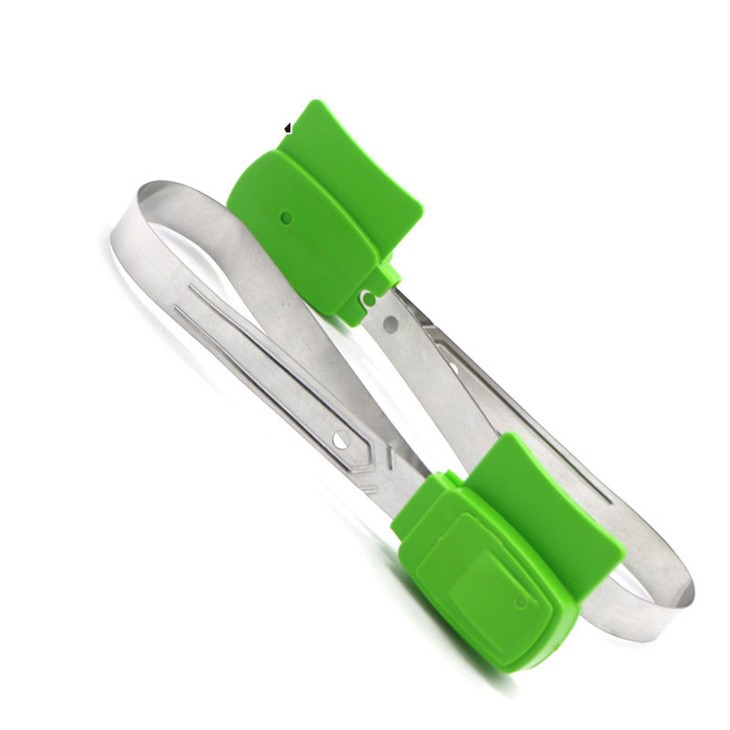
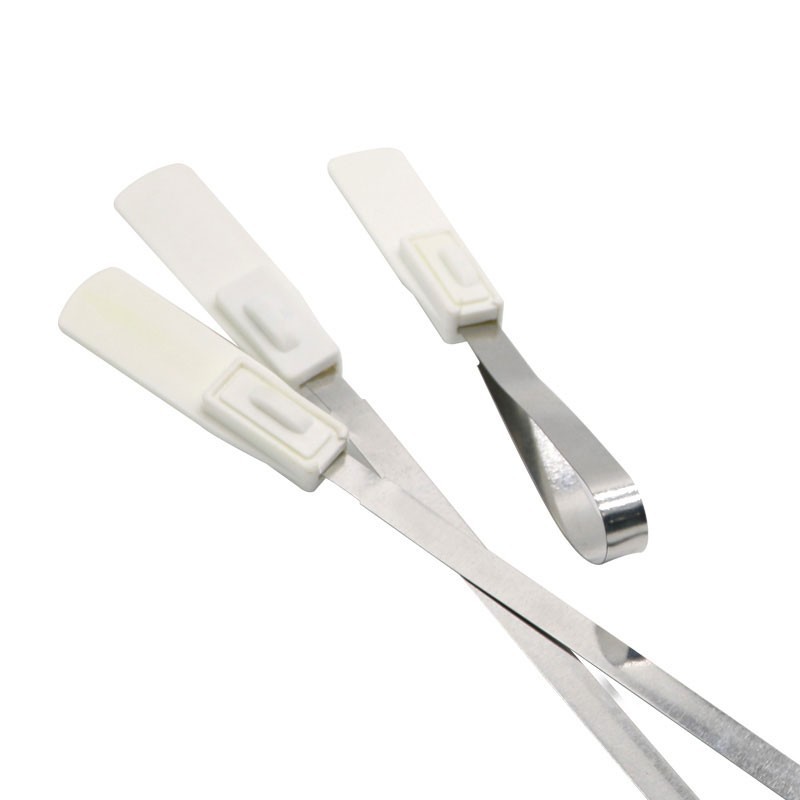
The first and most straightforward method to check the integrity of a metal container seal is through visual inspection. This involves closely examining the seal for any visible signs of damage, tampering, or irregularities. Here are some key points to look for during a visual inspection:
- Physical Damage: Check for any cracks, dents, or breaks in the seal body. Even a small crack can compromise the seal's integrity and indicate potential tampering. For example, if you notice a visible crack on the side of a Metal Container Seals, it's a clear sign that the seal may have been compromised.
- Seal Number and Markings: Verify that the seal number and any other markings on the seal are legible and match the documentation. Any smudging, scratching, or alteration of the seal number could be a sign of tampering. Make sure to compare the seal number on the container with the one recorded on the shipping documents to ensure consistency.
- Seal Placement: Ensure that the seal is properly placed and secured on the container. A seal that is loose, misaligned, or not fully engaged may not provide adequate security. Check that the seal is tightly fastened around the container's locking mechanism and that there are no gaps or spaces between the seal and the container.
Functionality Test
In addition to visual inspection, performing a functionality test can help you determine if the metal container seal is working correctly. This involves checking the seal's locking mechanism and ensuring that it can withstand normal handling and transportation conditions. Here's how you can conduct a functionality test:
- Locking Mechanism: Test the seal's locking mechanism to ensure that it engages and disengages smoothly. Try to open the seal using the appropriate tool or method and make sure that it locks securely in place. If the locking mechanism is difficult to operate or does not lock properly, it may indicate a problem with the seal.
- Tensile Strength: Check the seal's tensile strength by applying a moderate amount of force to it. A high-quality metal container seal should be able to withstand a certain amount of pulling or tugging without breaking or coming loose. However, be careful not to apply too much force, as this could damage the seal and make it unusable.
- Resistance to Tampering: Look for features that make the seal resistant to tampering, such as unique locking mechanisms, anti - counterfeiting markings, or tamper - evident designs. For example, some Metal Seals For Containers are designed with a one - way locking mechanism that cannot be easily reversed without leaving visible signs of tampering.
Comparison with Original Specifications
Another important step in checking the integrity of a metal container seal is to compare it with the original specifications provided by the manufacturer. This can help you ensure that the seal meets the required standards and quality levels. Here are some aspects to consider when comparing the seal with the original specifications:
- Material and Construction: Check the material and construction of the seal to ensure that it matches the specifications. High - quality metal container seals are typically made from durable materials such as stainless steel or aluminum, which provide excellent strength and corrosion resistance. Look for any signs of inferior materials or poor workmanship, such as rough edges, uneven surfaces, or inconsistent thickness.
- Size and Dimensions: Verify that the seal's size and dimensions are correct and compatible with the container's locking mechanism. A seal that is too large or too small may not fit properly and could compromise the container's security. Make sure to measure the seal and compare it with the manufacturer's specifications to ensure a proper fit.
- Performance Ratings: Check the seal's performance ratings, such as its resistance to corrosion, temperature, and environmental conditions. Make sure that the seal is suitable for the specific application and that it can withstand the expected transportation conditions. For example, if the container will be transported through a humid or corrosive environment, choose a seal with a high corrosion - resistance rating.
Use of Specialized Tools
In some cases, using specialized tools can help you detect more subtle signs of tampering or damage to the metal container seal. These tools can provide additional information and evidence that may not be visible to the naked eye. Here are some examples of specialized tools that you can use:
- Magnifying Glass: A magnifying glass can help you examine the seal in more detail and detect any small scratches, marks, or imperfections that may indicate tampering. Use the magnifying glass to inspect the seal's surface, edges, and locking mechanism for any signs of damage or alteration.
- Metal Detector: A metal detector can be used to detect the presence of any foreign objects or metal fragments inside the seal. This can be useful for detecting hidden tampering devices or counterfeit seals. Pass the metal detector over the seal to check for any abnormal readings or signals.
- X - Ray Machine: In some high - security applications, an X - ray machine can be used to inspect the contents of the container and the seal without opening it. This can help you detect any hidden objects or tampering inside the container. However, the use of X - ray machines may require specialized equipment and trained personnel.
Importance of Regular Checks
Regularly checking the integrity of metal container seals is essential for maintaining the security of your shipments. By conducting routine inspections, you can detect and address any potential issues before they become major problems. Here are some reasons why regular checks are important:
- Prevent Unauthorized Access: Regular checks can help you identify and prevent unauthorized access to the container. By detecting signs of tampering early, you can take appropriate action to protect the goods inside the container and ensure their safe delivery.
- Comply with Regulations: Many industries and regulatory bodies require regular inspections of container seals to ensure compliance with security and safety standards. By conducting regular checks, you can demonstrate your commitment to compliance and avoid potential fines or penalties.
- Build Trust with Customers: By providing secure and reliable container seals, you can build trust with your customers and enhance your reputation in the market. Regular checks can help you ensure that your seals are functioning properly and providing the level of security that your customers expect.
Conclusion
Checking the integrity of a metal container seal is a critical step in ensuring the security of your shipments. By using a combination of visual inspection, functionality tests, comparison with original specifications, and the use of specialized tools, you can effectively detect and prevent tampering and ensure the safe delivery of your goods. As a supplier of Metal Trailer Seals and other metal container seals, we are committed to providing high - quality products and helping our customers maintain the security of their shipments. If you have any questions or need further information about our metal container seals or the inspection process, please feel free to contact us. We look forward to discussing your specific needs and helping you find the right solution for your business.
References
- American Society for Testing and Materials (ASTM). Standards related to container seals and security.
- International Maritime Organization (IMO). Guidelines for container security and seal integrity.
- Transportation Security Administration (TSA). Regulations and recommendations for container security in the United States.