

When it comes to the world of metal container seals, one of the most fundamental yet crucial questions that both customers and industry professionals often grapple with is, "How do I measure the size of a metal container seal I need?" As a seasoned supplier of Metal Container Seals, I've encountered this query countless times, and I'm here to share my insights and expertise on this topic.
Understanding the Basics of Metal Container Seals
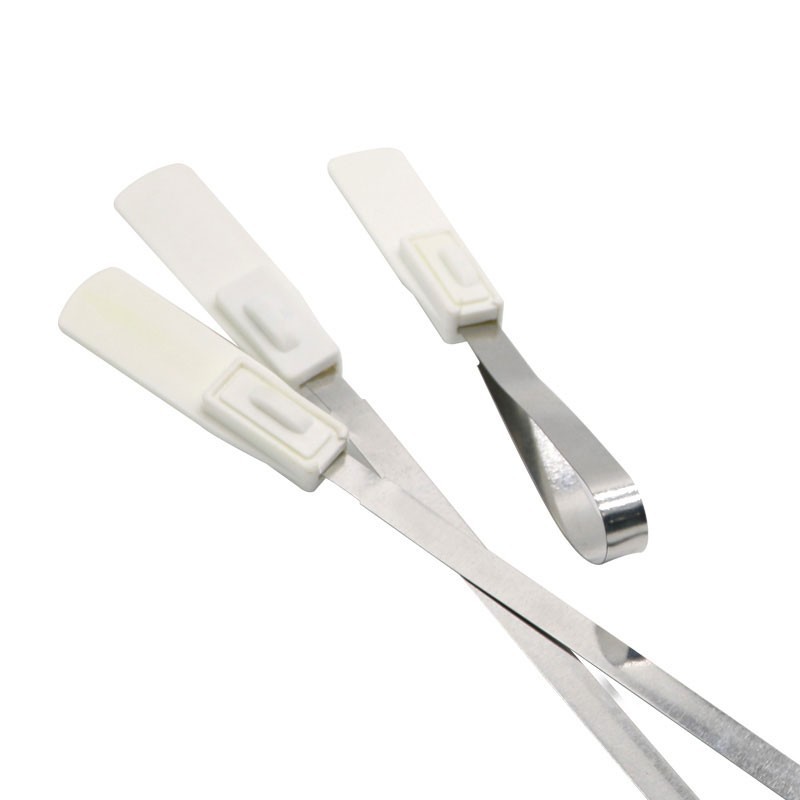
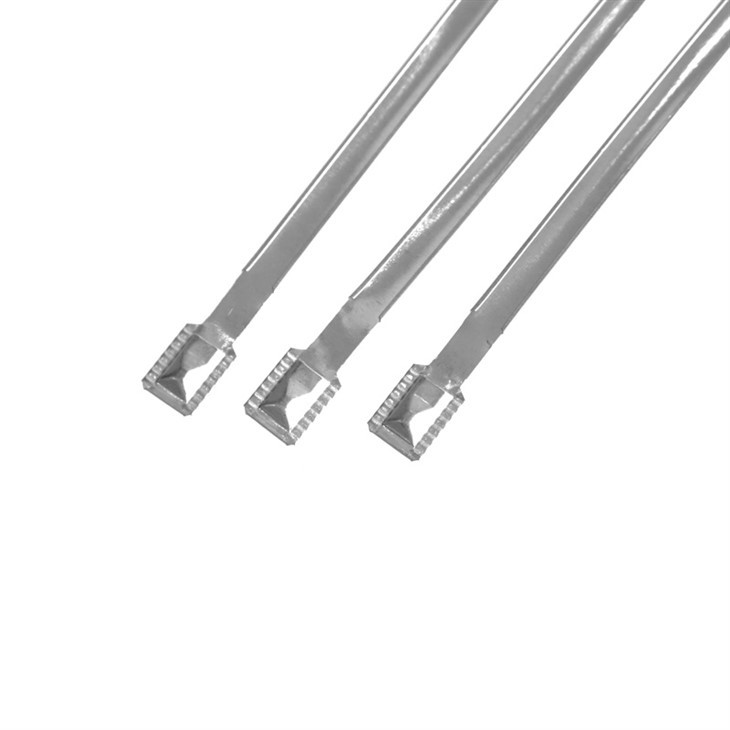
Before delving into the measurement process, it's essential to understand what metal container seals are and their significance. Metal container seals are devices used to secure containers, ensuring the integrity and security of the contents inside. They come in various types, including Truck Metal Seal, Metal Seals For Containers, and Container Metal Strap Seal. These seals are commonly used in transportation, logistics, and storage industries to prevent unauthorized access, tampering, and theft.
Factors Affecting the Size of Metal Container Seals
Several factors influence the size of the metal container seal you need. These factors include the type of container, the application, and the security requirements.
Type of Container
Different types of containers have different sealing requirements. For example, a shipping container used for international trade may require a larger and more robust seal compared to a small storage container. The size of the container's opening, the thickness of the container walls, and the type of closure mechanism all play a role in determining the appropriate seal size.
Application
The application of the metal container seal also affects its size. Seals used in high-security environments, such as military or government facilities, may need to be larger and more durable to withstand tampering attempts. On the other hand, seals used for general storage or transportation purposes may have less stringent size requirements.
Security Requirements
The level of security required is another critical factor. If the contents of the container are of high value or sensitive nature, you may need a larger and more secure seal. High-security seals often have additional features, such as unique identification numbers, tamper-evident markings, and anti-counterfeiting measures.
Measuring the Size of Metal Container Seals
Now that we've discussed the factors affecting the size of metal container seals, let's move on to the actual measurement process. Measuring the size of a metal container seal involves several steps, and it's important to be as accurate as possible to ensure a proper fit.
Step 1: Measure the Container's Opening
The first step is to measure the dimensions of the container's opening. Use a measuring tape or a caliper to measure the length, width, and height of the opening. Make sure to measure the opening at its widest and highest points to get an accurate measurement.
Step 2: Consider the Thickness of the Container Walls
The thickness of the container walls also affects the size of the seal. Measure the thickness of the walls using a caliper or a micrometer. This measurement will help you determine the appropriate length and width of the seal to ensure a snug fit.
Step 3: Determine the Seal's Length
The length of the seal is crucial for ensuring proper closure. To determine the length, measure the perimeter of the container's opening. Add a few extra inches to the measurement to allow for overlap and proper sealing.
Step 4: Measure the Seal's Width
The width of the seal should be sufficient to cover the container's opening and provide a secure closure. Measure the width of the opening and choose a seal that is slightly wider to ensure full coverage.
Step 5: Check the Seal's Height
The height of the seal is important for ensuring that it can be easily installed and removed. Measure the height of the container's closure mechanism and choose a seal that is compatible with the height.
Choosing the Right Size of Metal Container Seals
Once you've measured the size of the container and determined the appropriate dimensions for the seal, it's time to choose the right size of metal container seal. As a supplier of Metal Container Seals, I offer a wide range of sizes and types to meet the diverse needs of my customers.
When choosing the right size of seal, consider the following tips:
- Choose a seal that is slightly larger than the measured dimensions to ensure a proper fit.
- Consider the type of container and the application when choosing the seal size.
- Look for seals that are made from high-quality materials to ensure durability and security.
- Choose seals that have additional features, such as tamper-evident markings and unique identification numbers, for added security.
Importance of Properly Sized Metal Container Seals
Using properly sized metal container seals is essential for ensuring the security and integrity of the contents inside the container. A seal that is too small may not provide a secure closure, leaving the container vulnerable to unauthorized access and tampering. On the other hand, a seal that is too large may be difficult to install and may not provide a proper fit, also compromising the security of the container.
Properly sized seals also help to prevent damage to the container and the contents inside. A seal that fits correctly will not put excessive pressure on the container walls, reducing the risk of damage during transportation and storage.
Conclusion
Measuring the size of a metal container seal is a crucial step in ensuring the security and integrity of the container and its contents. By understanding the factors affecting the size of the seal, following the measurement process, and choosing the right size of seal, you can ensure a proper fit and maximum security.
As a supplier of Metal Container Seals, I'm committed to providing high-quality seals in a wide range of sizes and types to meet the diverse needs of my customers. If you have any questions or need assistance in choosing the right size of metal container seal, please don't hesitate to contact me. I'm here to help you find the perfect solution for your sealing needs.
References
- ASTM International. (2023). Standard Specification for Steel Strapping for General Use. ASTM D3953-23.
- International Maritime Organization. (2022). Guidelines for the Use of Seals on Containers. IMO MSC.1/Circ.1405.
- United States Department of Homeland Security. (2023). Container Security Initiative (CSI). Retrieved from [Website URL].