

When it comes to securing various types of equipment, especially in the context of metering systems, lead seals and plastic seals are two commonly used options. As a Lead Seal supplier, I have in - depth knowledge about the characteristics, advantages, and disadvantages of both types of seals. In this blog, I will conduct a comprehensive comparison between lead seals and plastic seals to help you make an informed decision when it comes to your sealing needs.
Physical Properties
Lead Seals
Lead seals are typically made from lead or a lead - alloy. Lead is a dense, soft, and malleable metal. This malleability is one of the key features of lead seals. It allows for easy deformation during the sealing process. When a lead seal is applied, a special tool is used to compress the lead around the wire or cable that needs to be sealed. This deformation creates a tight and secure closure.
The density of lead also gives it a certain weight, which can be an advantage in some applications. A heavier seal may be perceived as more substantial and secure, adding a psychological element of trust in the integrity of the sealed item. For example, in the case of Electric Meter Seal, a lead seal's weight can give the impression of a more reliable and tamper - resistant closure.
However, the softness of lead also has its drawbacks. It can be scratched or dented relatively easily. If a seal is tampered with by someone trying to gain unauthorized access, these scratches or dents can serve as visible signs of tampering. But at the same time, a determined individual with the right tools could potentially manipulate a lead seal without leaving obvious traces, especially if they are skilled in the art of seal tampering.
Plastic Seals
Plastic seals are made from various types of plastics, such as polypropylene or polyethylene. These plastics are lightweight, which is a significant advantage in many applications. For example, in shipping and logistics, where large numbers of seals are used, the reduced weight of plastic seals can contribute to overall cost savings in terms of transportation.
Plastic is also highly resistant to corrosion. Unlike lead, which can corrode over time when exposed to certain environmental conditions, plastic seals can maintain their integrity in a wide range of environments, including humid or chemically - exposed areas. This makes them a suitable choice for outdoor applications or in industries where the seals are likely to come into contact with harsh substances.
On the other hand, plastic is generally less malleable than lead. While some plastic seals are designed to be flexible to a certain extent, they may not offer the same level of tight - fitting closure as lead seals in some cases. Also, plastic can be brittle in cold temperatures, which may affect its performance in low - temperature environments.
Tamper - Resistance
Lead Seals
Lead seals are often considered to have a certain level of tamper - resistance. As mentioned earlier, any attempt to tamper with a lead seal will likely leave visible marks on the soft lead surface. When a lead seal is properly applied, it forms a unique imprint that can be used for identification purposes. This imprint can be compared with a record to verify the seal's authenticity and integrity.
However, lead seals are not foolproof. With the right tools and techniques, it is possible to remove and re - apply a lead seal without leaving obvious signs of tampering. For example, a skilled individual could use a heat source to soften the lead slightly and then carefully manipulate it back into place.
Plastic Seals
Plastic seals are designed with different levels of tamper - resistance. Some plastic seals are equipped with unique locking mechanisms that break or show visible signs of tampering when an attempt is made to open them. For example, a plastic seal may have a serrated edge that is designed to tear when the seal is forced open.
In general, plastic seals can be more difficult to tamper with than lead seals in some cases, especially those with advanced locking features. However, like lead seals, they are not completely immune to tampering. A determined individual with access to specialized tools may still be able to bypass the security features of a plastic seal.
Cost
Lead Seals
The cost of lead seals is influenced by several factors. The price of lead, which is a commodity, can fluctuate in the market. Additionally, the manufacturing process of lead seals, which often involves casting and stamping, can add to the overall cost. Lead seals also require specialized tools for application, which can be an additional expense for users.
However, in some industries where the perceived value of a lead seal's weight and traditional appearance is high, the cost may be justified. For example, in the utility industry, where lead seals have been used for a long time, customers may be willing to pay a premium for the perceived security and reliability of lead seals.
Plastic Seals
Plastic seals are generally more cost - effective than lead seals. The raw materials for plastic seals are relatively inexpensive, and the manufacturing process, such as injection molding, is often more efficient and less labor - intensive than that of lead seals. Also, plastic seals can be produced in large quantities at a lower cost per unit.
The lower cost of plastic seals makes them an attractive option for industries that require a large number of seals, such as shipping, warehousing, and retail.
Environmental Impact
Lead Seals
Lead is a toxic heavy metal. The production, use, and disposal of lead seals can have a negative impact on the environment. During the manufacturing process, lead emissions can occur, which can contaminate the air and soil. If lead seals are not disposed of properly, they can leach lead into the soil and water, posing a risk to human health and the ecosystem.
In recent years, there has been increasing regulatory pressure on the use of lead in various products due to its environmental and health risks. This has led some industries to look for alternative sealing solutions.
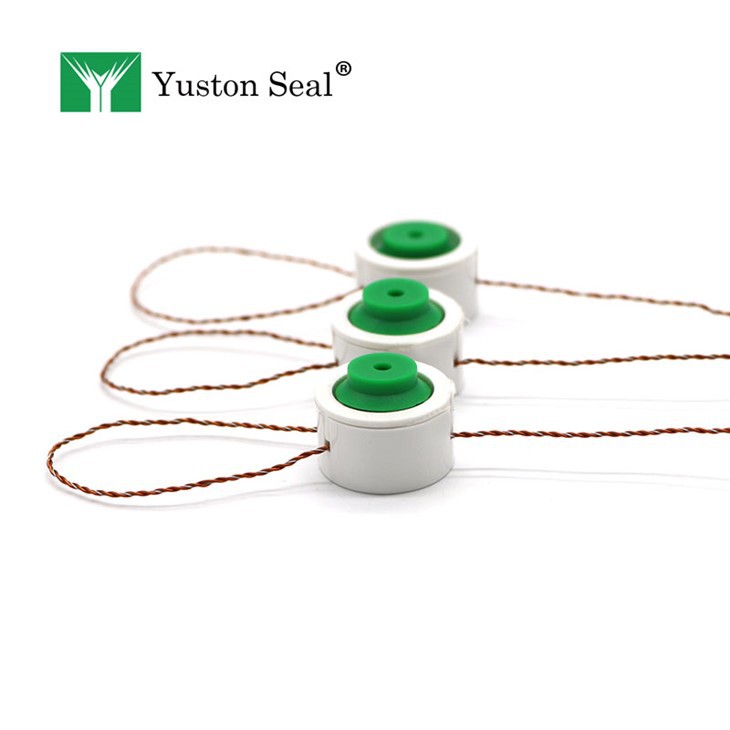
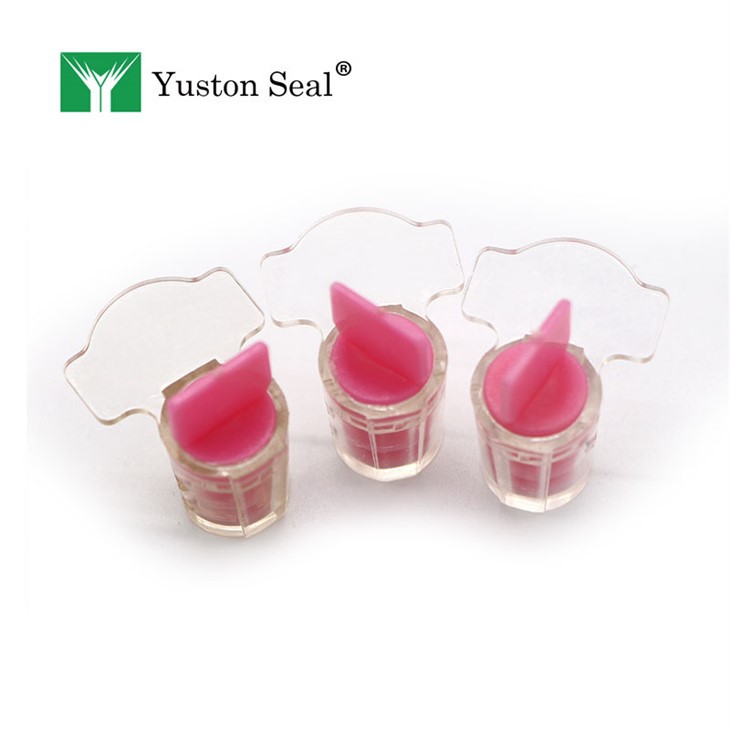
Plastic Seals
Plastic seals also have environmental implications. Most plastics are derived from fossil fuels, and their production contributes to greenhouse gas emissions. Additionally, plastic waste is a major environmental concern, as plastics can take hundreds of years to decompose in the environment.
However, there are efforts in the industry to develop more environmentally friendly plastic seals. For example, some manufacturers are using biodegradable plastics or recycling plastic waste to produce seals.
Application Areas
Lead Seals
Lead seals have a long history of use in the utility industry, especially for Electric Meter Seal. They are also commonly used in the financial industry for securing cash bags and important documents. The traditional appearance and perceived security of lead seals make them a preferred choice in these industries where trust and authenticity are crucial.
Plastic Seals
Plastic seals are widely used in shipping and logistics for securing containers, trucks, and pallets. Their lightweight and cost - effectiveness make them ideal for these applications. They are also used in the food and beverage industry, where the need for corrosion - resistant and hygienic seals is high.
Conclusion
Both lead seals and plastic seals have their own unique advantages and disadvantages. Lead seals offer a traditional and substantial appearance, with a certain level of tamper - resistance, but they are costly, have environmental concerns, and may be more vulnerable to tampering in some cases. Plastic seals, on the other hand, are lightweight, cost - effective, and corrosion - resistant, but they may not offer the same level of perceived security as lead seals in some industries.
If you are in need of sealing solutions, whether it is Lead Seal or Plastic Meter Seals, we can provide you with high - quality products that meet your specific requirements. We understand the importance of security, cost - effectiveness, and environmental responsibility in the sealing industry. Contact us for more information and to discuss your procurement needs. We are ready to work with you to find the best sealing solution for your business.
References
- ASTM International. (20XX). Standards related to seals for metering and security applications.
- Industry reports on the use of lead and plastic seals in different sectors.
- Research papers on the environmental impact of lead and plastic products.