

Livestock ear tags play a crucial role in the animal insurance industry. As a supplier of livestock ear tags, I have witnessed firsthand how these small yet powerful tools can support and enhance the process of animal insurance. In this blog post, I will explore the various ways in which livestock ear tags contribute to the success of animal insurance, from identification and tracking to risk assessment and claim management.
Identification and Tracking
One of the primary functions of livestock ear tags is to provide a unique identifier for each animal. By affixing a tag to an animal's ear, farmers and ranchers can easily distinguish one animal from another, even in a large herd. This is essential for animal insurance, as it allows insurers to accurately identify and track the insured animals.
Livestock ear tags typically contain a unique number or code that is registered with the insurance company. This number serves as a key piece of information for the insurer, allowing them to keep track of the animal's history, including its age, breed, health status, and any previous insurance claims. By having this information readily available, insurers can make more informed decisions about the risk associated with insuring a particular animal.

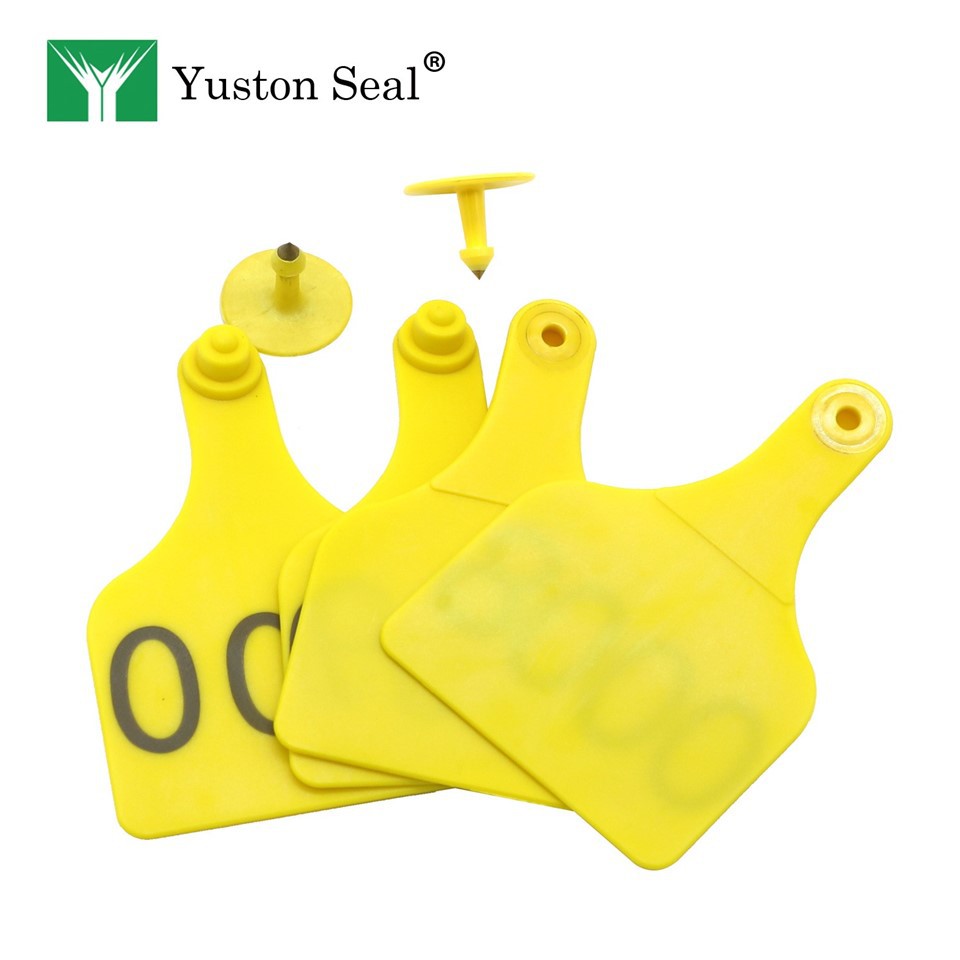
In addition to providing a unique identifier, livestock ear tags can also be used to track the movement of animals. This is particularly important for animals that are transported or sold, as it allows insurers to ensure that the insured animals are being properly cared for and are not being used for illegal activities. By using GPS-enabled ear tags, insurers can monitor the location of the animals in real-time, providing an extra layer of security and peace of mind.
Risk Assessment
Another important role of livestock ear tags in animal insurance is to assist in risk assessment. By collecting data on the animals' health, behavior, and other factors, insurers can use this information to determine the likelihood of an animal experiencing a loss or injury. This information can then be used to set insurance premiums and determine the terms and conditions of the insurance policy.
For example, if an animal has a history of health problems or has been involved in previous accidents, the insurer may consider it to be a higher risk and charge a higher premium. On the other hand, if an animal is in good health and has a low risk of injury, the insurer may offer a lower premium. By using livestock ear tags to collect and analyze this data, insurers can make more accurate risk assessments and offer more competitive insurance rates.
Claim Management
Livestock ear tags also play a crucial role in claim management. When an insured animal experiences a loss or injury, the farmer or rancher must file a claim with the insurance company. The insurance company will then use the information on the ear tag to verify the identity of the animal and determine the extent of the loss.
By having accurate and up-to-date information on the animal's history and health status, the insurance company can process the claim more quickly and efficiently. This can help to minimize the financial impact on the farmer or rancher and ensure that they receive the compensation they are entitled to.
In addition to verifying the identity of the animal, livestock ear tags can also be used to track the progress of the claim. By using a unique identifier on the ear tag, the insurance company can easily track the status of the claim and communicate with the farmer or rancher throughout the process. This can help to ensure that the claim is processed in a timely and efficient manner and that the farmer or rancher is kept informed of the progress.
Types of Livestock Ear Tags
There are several types of livestock ear tags available on the market, each with its own unique features and benefits. Some of the most common types of livestock ear tags include:
- Plastic Ear Tags: Plastic ear tags are the most commonly used type of livestock ear tag. They are lightweight, durable, and easy to apply. Plastic ear tags can be customized with a variety of colors, numbers, and symbols, making them easy to identify.
- Metal Ear Tags: Metal ear tags are more durable than plastic ear tags and are often used for larger animals, such as cattle and horses. Metal ear tags can be engraved with a unique number or code, making them easy to read and identify.
- RFID Ear Tags: RFID (Radio Frequency Identification) ear tags are a newer type of livestock ear tag that uses radio waves to transmit information. RFID ear tags can be read from a distance, making them ideal for large herds or for animals that are difficult to handle.
Conclusion
In conclusion, livestock ear tags play a crucial role in the animal insurance industry. By providing a unique identifier for each animal, tracking their movement, assisting in risk assessment, and facilitating claim management, livestock ear tags help to ensure the success of animal insurance. As a supplier of livestock ear tags, I am committed to providing high-quality products that meet the needs of farmers, ranchers, and insurance companies.
If you are interested in learning more about our Livestock Identification Tags, Cow Number Ear Tags, or Cow Number Tags, please contact us to discuss your specific requirements. We would be happy to provide you with more information and answer any questions you may have.
References
- American Veterinary Medical Association. (2023). Livestock Identification. Retrieved from https://www.avma.org/resources-tools/livestock-identification
- National Institute of Food and Agriculture. (2023). Animal Identification and Traceability. Retrieved from https://nifa.usda.gov/topic/animal-identification-and-traceability
- United States Department of Agriculture. (2023). National Animal Identification System. Retrieved from https://www.aphis.usda.gov/aphis/ourfocus/animalhealth/animal-identification/national-animal-identification-system