

Hey there! As a supplier of Metal Trailer Seals, I've spent a ton of time dealing with different types of trailer seals. One question that comes up a lot is how metal trailer seals stack up against cable trailer seals. So, let's dive right in and break it down.
Physical Characteristics
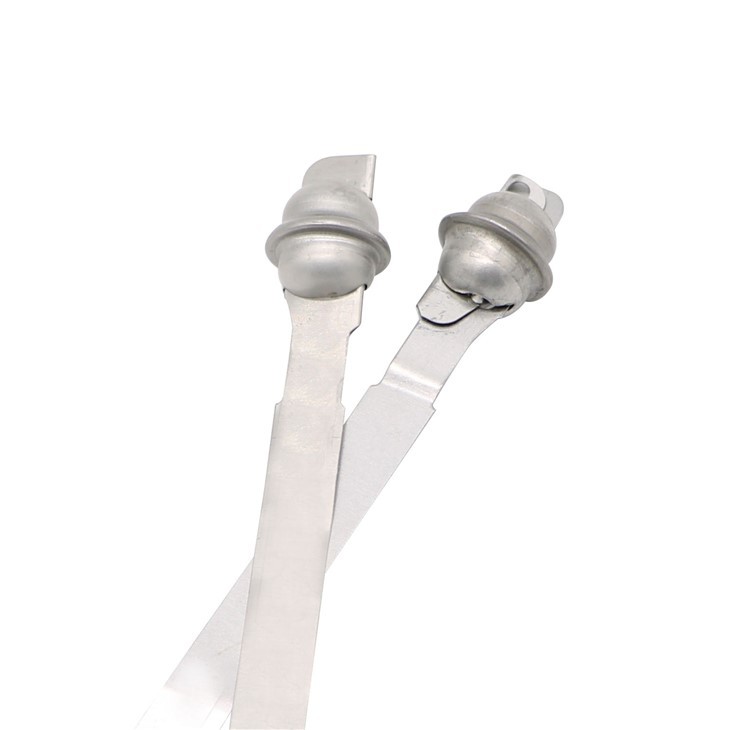
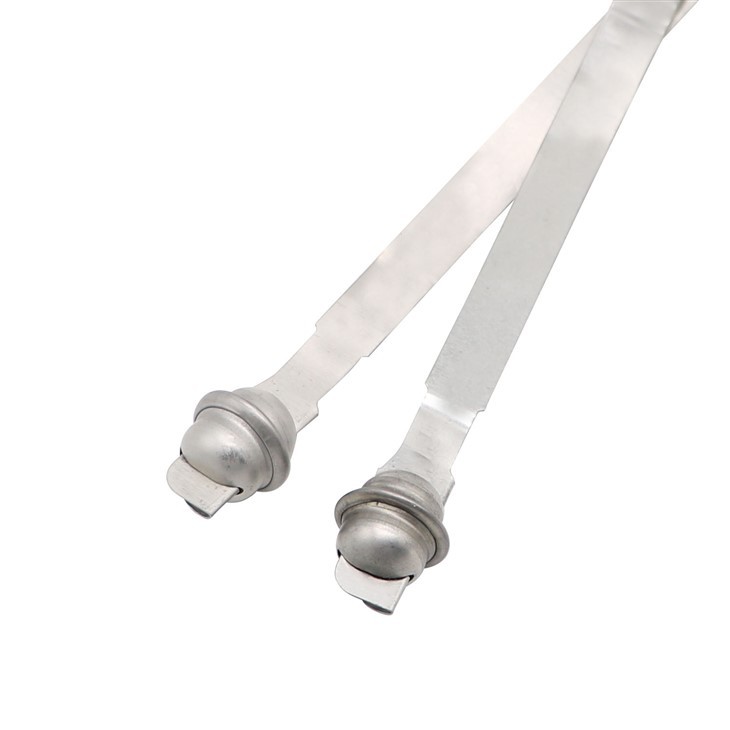
First off, let's talk about what these seals look like and what they're made of. Metal trailer seals, well, they're made of metal! Usually, it's a durable alloy that can withstand a fair amount of wear and tear. They come in different shapes and sizes, but most are designed to be strong and rigid. You can find them in various finishes too, like galvanized or painted, to protect against corrosion.
On the flip side, cable trailer seals are made up of a cable, typically steel, encased in a plastic or metal housing. The cable is flexible, which makes it easy to thread through different types of locking mechanisms. The housing is there to hold the cable in place and provide some level of security.
Security Features
When it comes to security, both types of seals have their pros and cons. Metal trailer seals are known for their strength. They're difficult to break or tamper with because of the solid metal construction. Once they're locked in place, it takes a lot of force to remove them without leaving obvious signs of tampering. This makes them a great choice for high - security applications, like transporting valuable goods or sensitive materials.
Cable trailer seals, on the other hand, offer a different kind of security. The flexible cable can be threaded through small openings and irregularly shaped objects, which gives them an advantage in some situations. For example, if you're sealing a container with a complex locking mechanism, a cable seal might be easier to use. However, they're generally not as strong as metal seals. A determined thief could potentially cut the cable with the right tools, although many cable seals are designed with anti - cut features.
Ease of Use
Ease of use is an important factor, especially when you're dealing with a large number of trailers or containers. Metal trailer seals are relatively straightforward to use. You just insert the locking end into the seal body and secure it. However, they can be a bit bulky, which might make them a bit more difficult to handle in tight spaces.
Cable trailer seals are much more flexible in terms of installation. You can easily thread the cable through small holes and around objects, which makes them ideal for quick and easy sealing. But, they do require a bit more care when locking. If the cable isn't tightened properly, it might not provide the same level of security.
Cost
Cost is always a consideration when choosing between different types of seals. Metal trailer seals are usually more expensive than cable trailer seals. This is because of the cost of the metal materials and the manufacturing process. However, they also tend to last longer, which can offset the initial cost over time.
Cable trailer seals are more budget - friendly. They're cheaper to produce, so they're a good option if you're on a tight budget or if you need a large number of seals. But, you might need to replace them more often, especially if they're used in harsh environments.
Durability
Durability is crucial, especially if your trailers or containers are going to be exposed to the elements. Metal trailer seals are extremely durable. They can withstand extreme temperatures, moisture, and physical impacts. The metal construction protects them from rust and corrosion, ensuring that they remain functional for a long time.
Cable trailer seals are also durable, but they're more vulnerable to damage. The cable can get frayed or cut over time, especially if it's rubbed against sharp edges. The plastic housing can also crack or break, which can compromise the security of the seal.
Applications
Metal trailer seals are commonly used in industries where high - level security is required. For example, in the transportation of hazardous materials, valuable goods, or military equipment. They're also used in customs and border control, where the integrity of the seal is crucial for ensuring compliance.
Cable trailer seals are more commonly used in situations where flexibility and ease of use are important. They're often used in the shipping industry for sealing containers, as well as in the logistics and warehousing sectors. They're also a popular choice for temporary or short - term sealing applications.
Conclusion
So, which type of seal is better? Well, it really depends on your specific needs. If you need a high - security, long - lasting seal for valuable or sensitive cargo, then Metal Trailer Seals are probably the way to go. They offer excellent strength and durability, although they come at a higher cost.
If you're looking for a more budget - friendly, flexible option that's easy to install, then cable trailer seals might be a better choice. They're great for quick and easy sealing, but they might not provide the same level of security as metal seals.
As a supplier of Metal Trailer Seals, I can offer you a wide range of high - quality products. We also have Metal Seals For Containers and Container Metal Strap Seal that are designed to meet your specific requirements. If you're interested in learning more about our products or if you have any questions about choosing the right seal for your needs, don't hesitate to reach out. We're here to help you make the best decision for your business.
References
- Industry reports on trailer seal technology
- Manufacturer specifications for metal and cable trailer seals