

In the complex landscape of utility management and regulatory frameworks, meter seals play a pivotal role in ensuring compliance. As a seasoned meter seal supplier, I've witnessed firsthand how these seemingly simple devices contribute significantly to upholding industry standards and legal requirements. In this blog post, I'll delve into the various ways meter seals aid in regulatory compliance, exploring their functions, types, and real - world applications.
The Basics of Meter Seals
Meter seals are physical devices used to secure utility meters, such as electric, gas, and water meters. Their primary purpose is to prevent unauthorized access and tampering, which could lead to inaccurate readings, revenue loss, and safety hazards. By providing a visible indication of any attempted or actual tampering, meter seals act as a deterrent and a means of accountability.
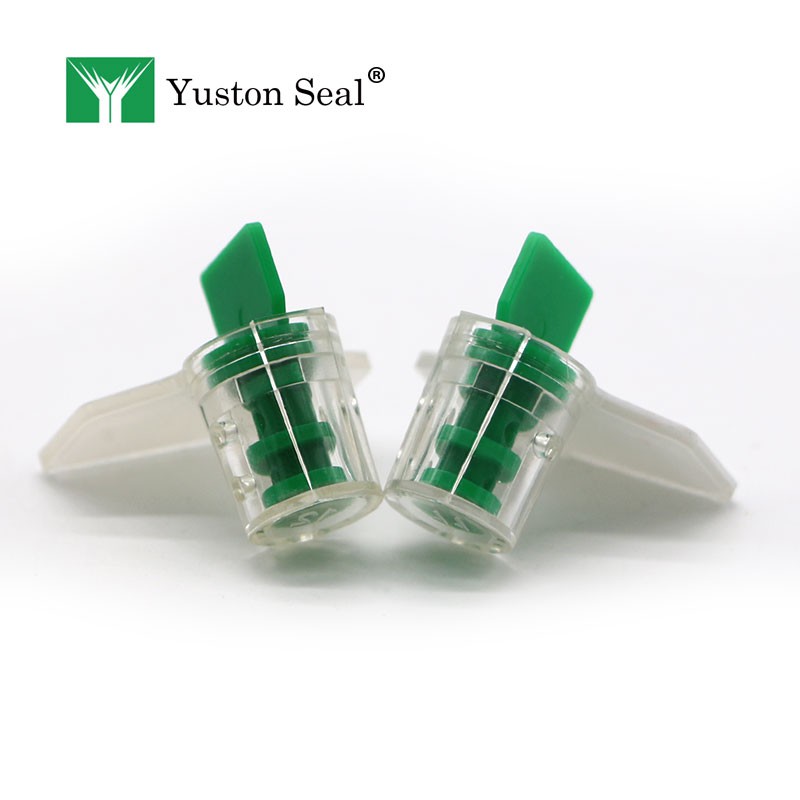
There are different types of meter seals available, each designed for specific applications and regulatory requirements. For instance, Electric Meter Box Seal is specifically crafted to safeguard electric meters. These seals are often made of durable materials that can withstand various environmental conditions and resist tampering attempts. They are engineered to provide a high level of security for the electrical infrastructure, ensuring that the electricity consumption readings are accurate and reliable.
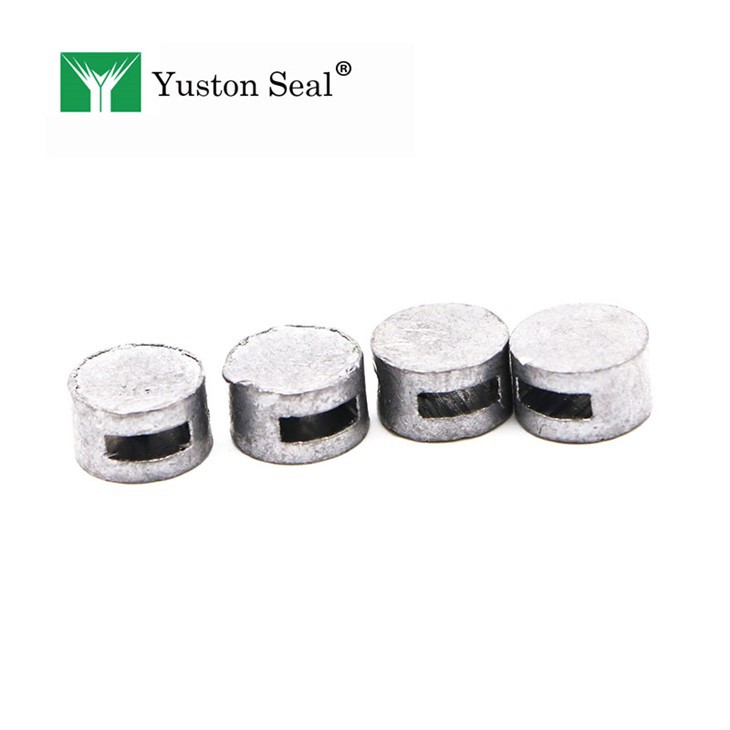
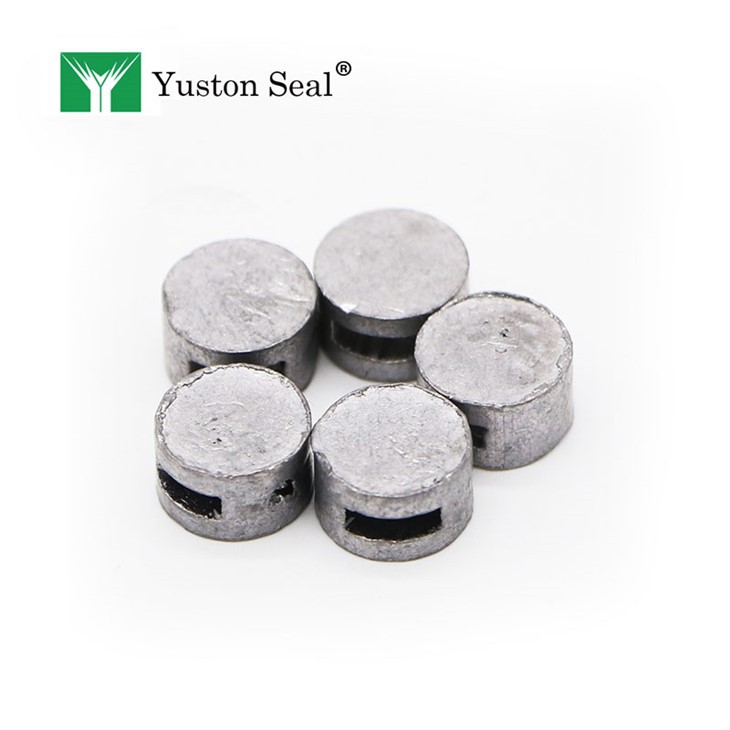
Lead Seal has been a traditional choice for many utility companies. Lead seals are relatively inexpensive and easy to apply. They are commonly used in situations where a basic level of security is required. However, they also have some limitations, such as being relatively easy to break if not properly monitored. Despite these limitations, lead seals are still widely used due to their long - standing history and familiarity in the industry.
Gas Meter Seal is another crucial type of meter seal. Gas meters are highly sensitive and require a high level of security to prevent gas leaks and unauthorized usage. Gas meter seals are designed to be gas - tight and resistant to corrosion, ensuring the safety and accuracy of gas consumption measurements.
Contribution to Regulatory Compliance
1. Preventing Unauthorized Tampering
One of the most significant ways meter seals contribute to regulatory compliance is by preventing unauthorized tampering. Many regulatory bodies have strict rules against meter tampering, as it can lead to unfair billing practices and pose risks to public safety. Meter seals act as a physical barrier, making it difficult for individuals to access the meter without leaving visible evidence.
For example, in the electricity sector, tampering with an electric meter can result in under - reporting of consumption, leading to lost revenue for the utility company. Regulatory authorities require utility companies to implement measures to prevent such tampering. By using high - quality electric meter box seals, utility companies can ensure that their meters are protected and that they are in compliance with these regulations.
2. Ensuring Accurate Meter Readings
Accurate meter readings are essential for fair billing and regulatory compliance. Meter seals help maintain the integrity of the metering system, ensuring that the readings reflect the actual consumption of the utility. Any tampering with the meter can disrupt the normal operation of the device and lead to inaccurate readings.
When a meter is sealed, it provides a guarantee that the internal components have not been altered. This is particularly important in industries where precise measurements are crucial, such as the gas and electricity sectors. For example, gas companies rely on accurate meter readings to bill customers correctly and to manage their supply. By using reliable gas meter seals, they can ensure that their meters are not tampered with and that the readings are accurate, which is in line with regulatory requirements.
3. Traceability and Accountability
Meter seals also contribute to regulatory compliance by providing traceability and accountability. Each meter seal can be uniquely identified, either through a serial number or a barcode. This allows utility companies and regulatory authorities to track the history of a meter, including when it was sealed, who sealed it, and if there have been any attempts to break the seal.
In case of an audit or investigation, the unique identification on the meter seal can provide valuable information. It can help determine if the meter has been tampered with, and if so, when and by whom. This level of traceability is crucial for regulatory compliance, as it allows for transparency and accountability in the metering process.
4. Meeting Safety Standards
In addition to preventing tampering and ensuring accurate readings, meter seals also play a role in meeting safety standards. For example, gas meter seals are designed to prevent gas leaks, which can be extremely dangerous. Regulatory authorities often have strict safety requirements for gas meters, and using appropriate gas meter seals is an important part of meeting these standards.
Similarly, electric meter box seals help protect the electrical infrastructure from unauthorized access, reducing the risk of electrical hazards. By ensuring that meters are properly sealed, utility companies can demonstrate their commitment to safety and comply with relevant safety regulations.
Real - World Applications
To illustrate the importance of meter seals in regulatory compliance, let's look at some real - world applications.
In many countries, utility companies are required to conduct regular inspections of their meters to ensure compliance. During these inspections, the integrity of the meter seals is checked. If a seal is found to be broken or tampered with, the meter is further investigated, and appropriate actions are taken. This process helps maintain the trust of consumers and regulatory authorities in the metering system.
Another example is in the case of cross - border energy trade. When electricity or gas is traded between different regions or countries, accurate metering and compliance with international regulations are essential. Meter seals play a crucial role in ensuring that the metering devices used in these transactions are secure and that the readings are accurate. This helps prevent disputes and ensures fair trade practices.
Challenges and Solutions
While meter seals are effective in contributing to regulatory compliance, there are also some challenges associated with their use. One of the main challenges is the development of more sophisticated tampering techniques. As technology advances, some individuals may find new ways to bypass or break meter seals without leaving obvious signs.
To address this challenge, meter seal suppliers are constantly innovating and developing new types of seals. For example, some modern meter seals are equipped with advanced anti - tampering features, such as hidden markings or electronic sensors. These features make it more difficult for unauthorized individuals to tamper with the seals without being detected.
Another challenge is the cost of implementing high - quality meter seals. Some utility companies may be reluctant to invest in expensive seals, especially in regions where regulatory requirements are not as strict. However, it's important to recognize that the cost of non - compliance, such as lost revenue and legal penalties, can far outweigh the cost of using reliable meter seals.
Conclusion
In conclusion, meter seals are essential tools for ensuring regulatory compliance in the utility industry. They prevent unauthorized tampering, ensure accurate meter readings, provide traceability and accountability, and help meet safety standards. As a meter seal supplier, I am committed to providing high - quality seals that meet the diverse needs of utility companies and regulatory requirements.
If you are a utility company or an organization in need of meter seals, I encourage you to contact me for more information. Whether you require Electric Meter Box Seal, Lead Seal, or Gas Meter Seal, I can offer you a range of products that are designed to enhance regulatory compliance and protect your metering infrastructure. Let's work together to ensure the integrity and reliability of your utility metering system.
References
- "Utility Metering Regulations and Standards," International Energy Agency.
- "Best Practices for Meter Seal Usage in the Utility Industry," Utility Management Journal.
- "Safety and Security of Metering Devices," National Institute of Standards and Technology.