

Nylon cable ties are ubiquitous in various industries, prized for their versatility, durability, and ease of use. As a trusted nylon cable tie supplier, we understand the importance of these products performing well under diverse conditions, including exposure to chemicals. In this blog, we'll explore how nylon cable ties hold up against different chemicals, providing insights that can help you make informed decisions for your specific applications.
Understanding Nylon Cable Ties
Before delving into their chemical resistance, it's essential to understand what nylon cable ties are. Nylon, specifically nylon 6 or nylon 6/6, is a synthetic thermoplastic polymer. It offers excellent mechanical properties, such as high tensile strength, good flexibility, and resistance to abrasion. These properties make nylon cable ties suitable for a wide range of applications, from bundling wires and cables to securing objects in industrial settings.
There are different types of nylon cable ties available, including Plastic Cable Tie, Self-locking Cable Ties, and White Plastic Cable Ties. Each type may have slightly different characteristics, but they generally share the fundamental properties of nylon.
Chemical Resistance of Nylon Cable Ties
The chemical resistance of nylon cable ties depends on several factors, including the type of chemical, its concentration, temperature, and exposure time. Here's a breakdown of how nylon cable ties typically react to different classes of chemicals:
Acids
- Weak Acids: Nylon cable ties generally have good resistance to weak acids, such as acetic acid (found in vinegar) and citric acid. Short-term exposure to these acids at normal concentrations is unlikely to cause significant damage. However, prolonged exposure or exposure to higher concentrations may lead to some degradation of the nylon material.
- Strong Acids: Strong acids, such as sulfuric acid and hydrochloric acid, can be highly corrosive to nylon cable ties. These acids can break down the nylon polymer chains, leading to a loss of strength and integrity. Even short-term exposure to strong acids can cause visible damage, such as discoloration, swelling, and embrittlement.
Bases
- Weak Bases: Nylon cable ties are relatively resistant to weak bases, such as sodium bicarbonate (baking soda) solutions. These bases typically do not cause significant damage to the nylon material, even with prolonged exposure.
- Strong Bases: Strong bases, such as sodium hydroxide (lye), can react with nylon and cause hydrolysis. This chemical reaction breaks down the nylon polymer chains, resulting in a loss of strength and durability. Prolonged exposure to strong bases can lead to severe degradation of the cable ties.
Solvents
- Polar Solvents: Nylon cable ties have moderate resistance to polar solvents, such as water, alcohols (e.g., ethanol), and ketones (e.g., acetone). Short-term exposure to these solvents may cause some swelling or softening of the nylon, but it usually does not result in significant long-term damage. However, prolonged exposure or exposure to high concentrations of these solvents can lead to degradation of the material.
- Non-polar Solvents: Non-polar solvents, such as hydrocarbons (e.g., gasoline, diesel fuel), can have a more significant impact on nylon cable ties. These solvents can dissolve or swell the nylon, leading to a loss of strength and integrity. Exposure to non-polar solvents should be avoided whenever possible.
Oils and Greases
Nylon cable ties generally have good resistance to oils and greases. They can withstand exposure to mineral oils, synthetic oils, and most common greases without significant degradation. This makes them suitable for use in automotive, industrial, and mechanical applications where contact with oils and greases is likely.
Oxidizing Agents
Oxidizing agents, such as hydrogen peroxide and bleach, can cause oxidation of the nylon material. This can lead to discoloration, embrittlement, and a loss of strength. Nylon cable ties should be protected from exposure to oxidizing agents to ensure their long-term performance.
Factors Affecting Chemical Resistance
In addition to the type of chemical, several other factors can affect the chemical resistance of nylon cable ties:
- Temperature: Higher temperatures can accelerate chemical reactions and increase the rate of degradation. Nylon cable ties may be more susceptible to chemical damage at elevated temperatures.
- Exposure Time: The longer the cable ties are exposed to chemicals, the greater the potential for damage. Even chemicals that have minimal effects on nylon in the short term can cause significant degradation over time.
- Concentration: Higher concentrations of chemicals generally pose a greater risk to nylon cable ties. It's important to consider the concentration of the chemicals in the environment where the cable ties will be used.
- Cable Tie Quality: The quality of the nylon material and the manufacturing process can also affect the chemical resistance of the cable ties. Higher-quality cable ties are typically more resistant to chemicals than lower-quality ones.
Testing and Certification
To ensure the chemical resistance of our nylon cable ties, we conduct rigorous testing in our state-of-the-art laboratories. Our testing procedures simulate real-world conditions and evaluate the performance of the cable ties under different chemical exposures. We also work closely with independent testing agencies to obtain certifications and approvals for our products.
When selecting nylon cable ties for applications where chemical resistance is critical, it's important to choose products that have been tested and certified to meet relevant industry standards. This can provide you with the confidence that the cable ties will perform as expected in your specific environment.
Applications and Considerations
Based on their chemical resistance properties, nylon cable ties can be used in a variety of applications where exposure to chemicals is a concern:
- Industrial Settings: In industrial environments, nylon cable ties are commonly used to secure wires, cables, and hoses. They can withstand exposure to oils, greases, and some mild chemicals, making them suitable for use in factories, manufacturing plants, and warehouses.
- Automotive Industry: Nylon cable ties are widely used in the automotive industry for cable management, securing components, and organizing wiring harnesses. Their resistance to oils and greases makes them ideal for use in engine compartments and other areas where contact with automotive fluids is likely.
- Electrical and Electronics: In the electrical and electronics industry, nylon cable ties are used to bundle wires and cables, ensuring proper organization and protection. They can resist the effects of some common solvents and chemicals used in the manufacturing and maintenance of electronic equipment.
However, it's important to note that in applications where exposure to strong chemicals is expected, alternative materials or protective measures may be necessary. For example, if the cable ties will be exposed to strong acids or bases, it may be advisable to use cable ties made from more chemically resistant materials, such as fluoropolymers.
Conclusion
Nylon cable ties offer a good balance of mechanical properties and chemical resistance, making them suitable for a wide range of applications. However, their performance can be affected by exposure to certain chemicals, especially strong acids, bases, solvents, and oxidizing agents. By understanding the chemical resistance properties of nylon cable ties and considering the factors that can affect their performance, you can make informed decisions when selecting the right cable ties for your specific needs.
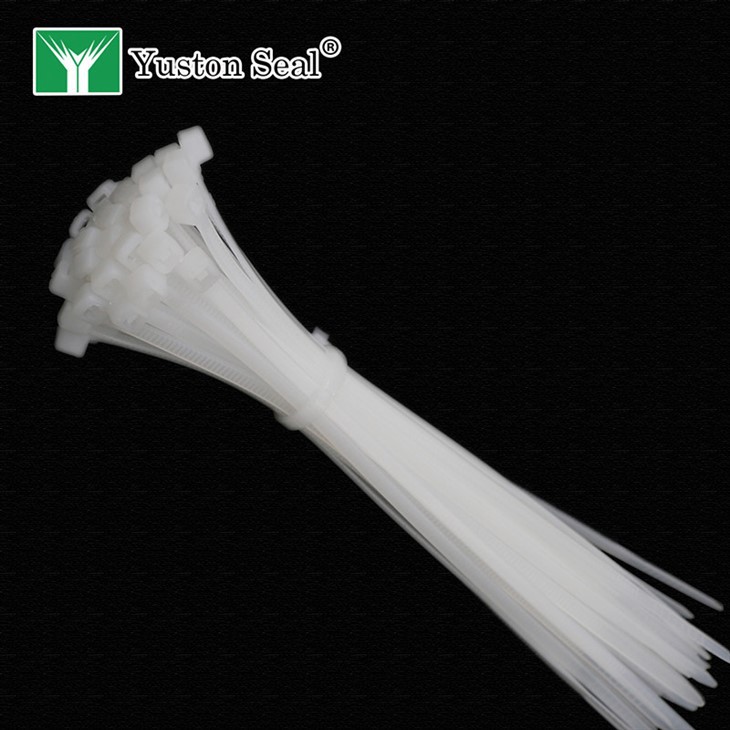
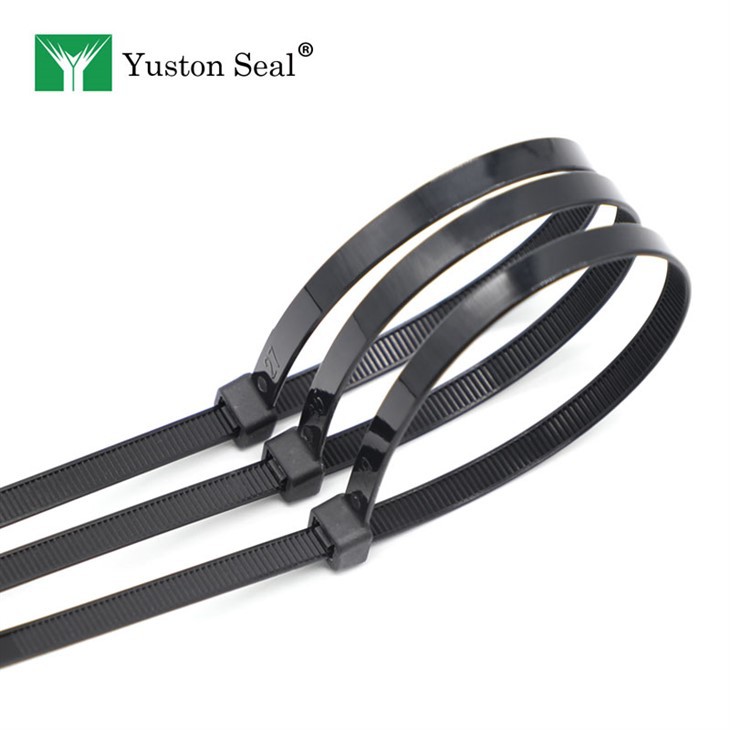
As a leading nylon cable tie supplier, we are committed to providing high-quality products that meet the diverse requirements of our customers. Our extensive range of Plastic Cable Tie, Self-locking Cable Ties, and White Plastic Cable Ties are designed to offer excellent chemical resistance and long-term performance.
If you have any questions about the chemical resistance of our nylon cable ties or need assistance in selecting the right products for your application, please don't hesitate to contact us. Our team of experts is here to help you find the best solutions for your specific needs. We look forward to the opportunity to work with you and provide you with the highest quality nylon cable ties for your projects.
References
- ASTM International. (Year). Standard test methods for evaluating the chemical resistance of plastics. ASTM D543.
- DuPont. (Year). Nylon 6/6 Technical Guide.
- Industry publications and research papers on the chemical resistance of plastics.