

Hey there! As a plastic seal supplier, I often get asked about how plastic seals work. So, I thought I'd write this blog to break it down for you in a simple and easy - to - understand way.
What Are Plastic Seals?
First things first, let's talk about what plastic seals are. Plastic seals are basically devices made from plastic materials. They're used in a whole bunch of industries for different purposes, like security, identification, and tamper - evidence. You can find them on everything from trucks and containers to small consumer products.
The Basic Structure of Plastic Seals
Most plastic seals have a few key parts. There's usually a body, which is the main part of the seal. It can be in different shapes and sizes depending on what it's going to be used for. Then, there's a locking mechanism. This is what keeps the seal closed once it's applied. A lot of plastic seals have a tab or a loop that fits into a slot on the body and locks in place.
For example, the Plastic Seal Trucks we supply are designed to be tough and reliable. They have a strong body that can withstand the rigors of transportation. The locking mechanism on these seals is designed to be very secure, so you can be sure that your goods are protected during transit.
How Do They Work?
The working principle of plastic seals is actually quite straightforward. When you want to use a plastic seal, you first open it up (if it's a pre - formed seal). Then, you place it around the item or area you want to seal. This could be a container door, a cable, or a package.
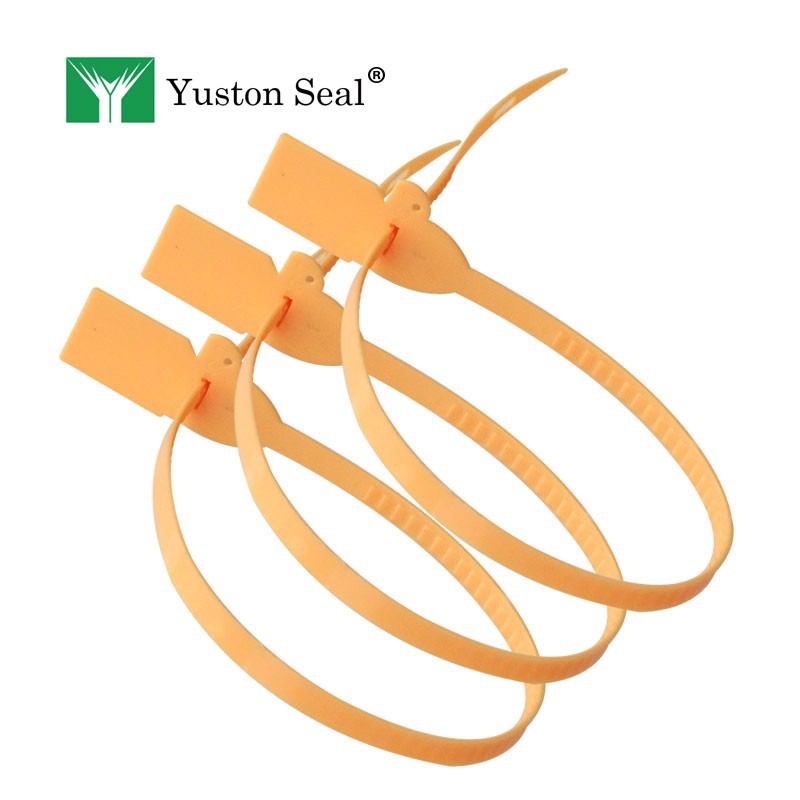
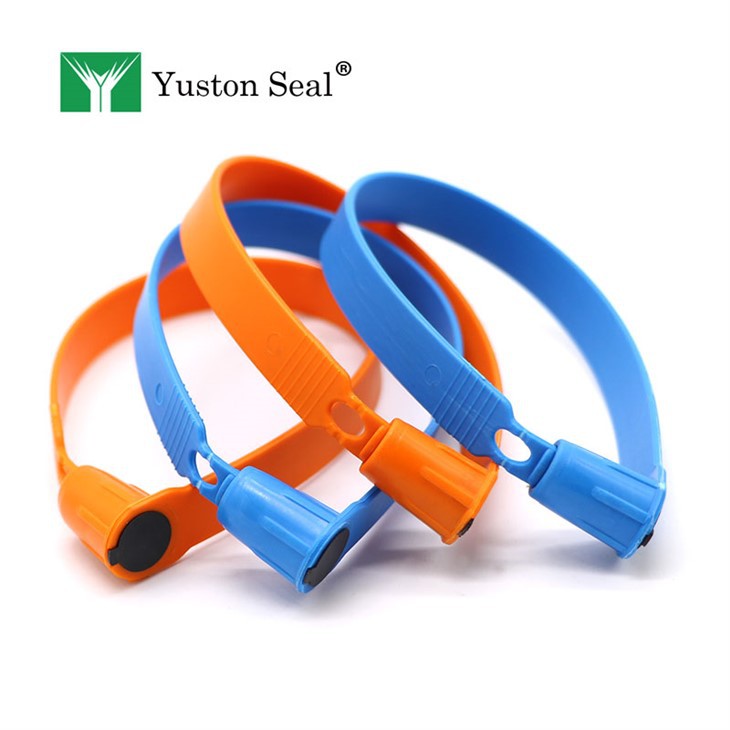
Once the seal is in place, you activate the locking mechanism. Usually, this involves pushing a tab through a slot or pulling a loop tight. When you do this, the locking mechanism engages and prevents the seal from being opened without breaking it.
Let's take Heavy Duty Plastic Seals as an example. These seals are used in situations where extra strength is needed. They're often used in industrial settings or for high - value shipments. When you apply a heavy - duty plastic seal, you pull the locking loop tight. The teeth inside the locking mechanism grip the loop, creating a very strong and secure seal. If someone tries to open the seal without authorization, the loop will break, leaving clear evidence of tampering.
Tamper - Evidence Feature
One of the most important features of plastic seals is their tamper - evidence. Tamper - evidence means that if someone tries to open the seal without permission, there will be clear signs that the seal has been tampered with. This is crucial for security purposes.
For instance, Plastic Seal Tags are often used for identification and tamper - evidence. They have a unique number or barcode printed on them. When the seal is intact, the number or barcode is visible and can be used to track the item. If the seal is broken, it's obvious that the item may have been accessed or tampered with.
Different Types of Plastic Seals and Their Working Mechanisms
There are several types of plastic seals, and each type works a little differently.
Cable Seals
Cable seals have a flexible cable that can be threaded through objects. The cable is then inserted into a locking head. Once the cable is in place, the locking head grips the cable tightly. To open the seal, you have to cut the cable, which leaves clear evidence of tampering. These seals are great for sealing containers with irregular shapes or for sealing multiple items together.
Bolt Seals
Bolt seals are like small bolts with a locking mechanism. You insert the bolt through a hole in the item you want to seal and then lock it in place. The bolt is designed so that it can't be removed without breaking the seal. Bolt seals are often used in high - security applications, such as sealing shipping containers.
One - Time Use Seals
As the name suggests, one - time use seals are designed to be used only once. Once they're locked, they can't be reopened without destroying them. These seals are very cost - effective and are widely used in the food and beverage industry, as well as for consumer products.
Applications of Plastic Seals
Plastic seals have a wide range of applications. In the transportation industry, they're used to seal trucks, containers, and railway cars. This helps to ensure that the goods inside are not tampered with during transit.
In the retail industry, plastic seals are used to seal product packages. This gives consumers the confidence that the product they're buying is in its original, untampered state.
In the industrial sector, plastic seals are used to secure equipment and machinery. They can also be used to seal electrical panels to prevent unauthorized access.
Why Choose Our Plastic Seals?
As a plastic seal supplier, we take pride in offering high - quality products. Our plastic seals are made from top - grade plastic materials that are durable and long - lasting. We use advanced manufacturing techniques to ensure that each seal meets the highest standards of quality and security.
We also offer a wide range of customization options. Whether you need a specific color, size, or printing on your seals, we can make it happen. Our team of experts is always ready to help you choose the right type of seal for your specific needs.
Let's Talk Business!
If you're in the market for plastic seals, we'd love to hear from you. Whether you need a small quantity for a one - time project or a large order for ongoing use, we can provide you with the best solutions at competitive prices.
Contact us today to start the conversation. We're here to answer all your questions and help you find the perfect plastic seals for your business.
References
- Industry standards for plastic seals
- Research on tamper - evidence technology
- Case studies on the use of plastic seals in different industries