

Hey there! As a bolt seal supplier, I'm super excited to share with you how these nifty little devices work. Bolt seals are a crucial part of the shipping and logistics industry, providing a reliable way to secure cargo and prevent unauthorized access. So, let's dive right in and explore the ins and outs of bolt seals.
What Are Bolt Seals?
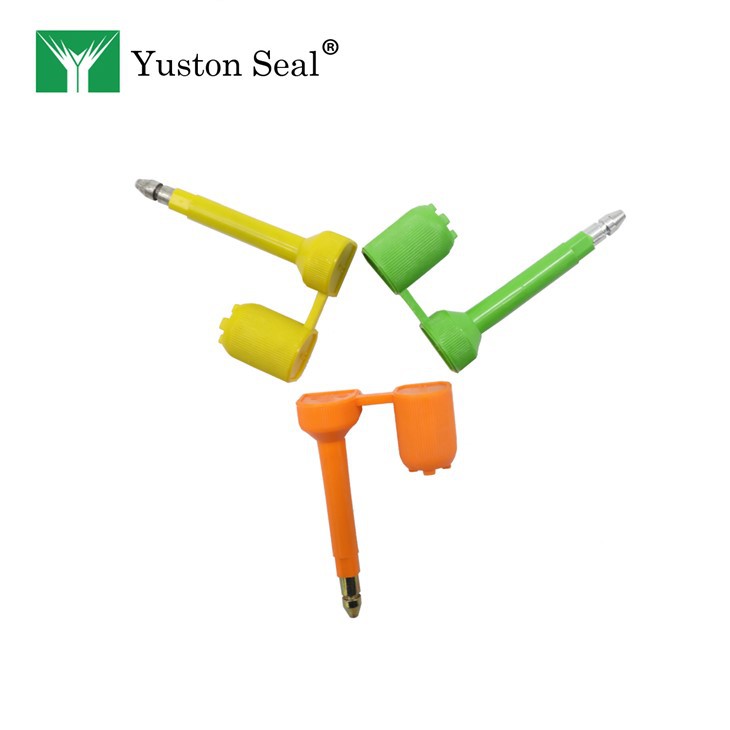
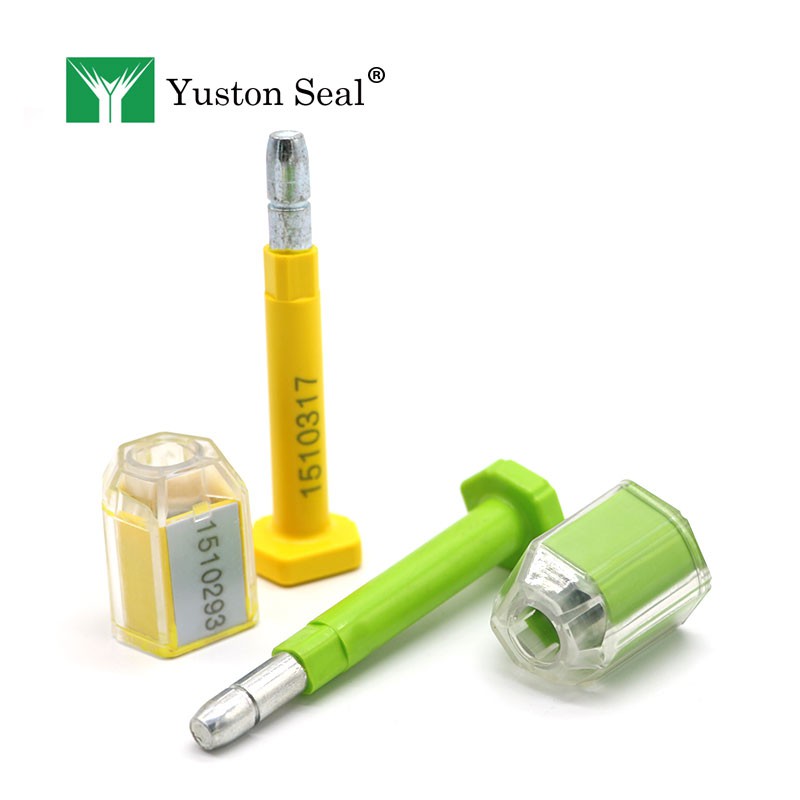
First things first, what exactly are bolt seals? Well, they're a type of security seal that's commonly used to secure containers, trucks, and other types of cargo. They're made up of a bolt and a locking mechanism, which are designed to be tamper-evident. Once a bolt seal is applied, it can't be removed without breaking the seal, which leaves a clear sign that the cargo has been tampered with.
How Do They Work?
The basic principle behind a bolt seal is pretty simple. The bolt is inserted into the locking mechanism, and then the locking mechanism is tightened to secure the bolt in place. This creates a strong, permanent connection that can't be easily broken.
Most bolt seals use a combination of mechanical and chemical properties to ensure their security. The bolt is usually made of a strong, durable material like steel or aluminum, which makes it resistant to cutting and bending. The locking mechanism, on the other hand, is designed to be tamper-evident. It might use a unique locking mechanism that can't be easily replicated, or it might have a special coating that changes color when it's tampered with.
Types of Bolt Seals
There are several different types of bolt seals available on the market, each with its own unique features and benefits. Here are some of the most common types:
- Cargo Container Seals: These are the most common type of bolt seal, and they're used to secure cargo containers. They're typically made of steel or aluminum, and they come in a variety of sizes and styles. You can check out more about Cargo Container Seals.
- Container Bolt Seal Lock: These are similar to cargo container seals, but they're designed specifically for use with container locks. They're usually made of a stronger, more durable material, and they have a higher level of security. Learn more about Container Bolt Seal Lock.
- Bullet Seal: These are a type of high-security bolt seal that's designed to be used in high-risk applications. They're made of a special alloy that's resistant to cutting and drilling, and they have a unique locking mechanism that makes them almost impossible to tamper with. Find out more about Bullet Seal.
The Application Process
Applying a bolt seal is a relatively simple process, but it's important to do it correctly to ensure the security of your cargo. Here's a step-by-step guide on how to apply a bolt seal:
- Choose the Right Seal: Make sure you choose the right type and size of bolt seal for your application. Consider the type of cargo you're shipping, the level of security you need, and the environment in which the seal will be used.
- Prepare the Seal: Before you apply the seal, make sure it's clean and free of any debris. Check the seal for any signs of damage or tampering.
- Insert the Bolt: Insert the bolt into the locking mechanism, making sure it's fully inserted.
- Tighten the Locking Mechanism: Use a tool like a seal applicator or a pair of pliers to tighten the locking mechanism. Make sure it's tightened securely, but don't over-tighten it, as this could damage the seal.
- Check the Seal: Once the seal is applied, check it to make sure it's secure. Look for any signs of damage or tampering, and make sure the seal is properly aligned.
Tamper Evidence
One of the key features of bolt seals is their tamper-evident design. This means that if someone tries to tamper with the seal, it will leave a clear sign that the cargo has been accessed. There are several different ways that bolt seals can be tamper-evident:
- Breaking the Seal: The most obvious sign of tampering is when the seal is broken. If the bolt is cut or the locking mechanism is damaged, it's a clear indication that the seal has been tampered with.
- Color Change: Some bolt seals have a special coating that changes color when it's exposed to heat or chemicals. This can be a sign that someone has tried to tamper with the seal.
- Unique Serial Number: Many bolt seals have a unique serial number that's printed on the seal. This can be used to track the seal and verify its authenticity.
Why Choose Bolt Seals?
There are several reasons why bolt seals are a popular choice for securing cargo:
- High Security: Bolt seals are designed to be strong and durable, making them resistant to cutting and tampering. They provide a high level of security for your cargo.
- Tamper-Evident: As we mentioned earlier, bolt seals are tamper-evident, which means that any attempt to tamper with the seal will be clearly visible. This provides an extra layer of security for your cargo.
- Easy to Use: Applying a bolt seal is a relatively simple process, and it doesn't require any special skills or tools. This makes them a convenient and cost-effective way to secure your cargo.
- Versatile: Bolt seals can be used in a variety of applications, including shipping containers, trucks, and trailers. They're a versatile solution for securing different types of cargo.
Contact for Purchase and Collaboration
If you're in the market for high-quality bolt seals, I'd love to hear from you. Whether you're a shipping company, a logistics provider, or a manufacturer, we have the right bolt seals to meet your needs. Our products are reliable, secure, and cost-effective, and we offer a wide range of options to choose from.
Don't hesitate to reach out to us to discuss your requirements and get a quote. We're committed to providing excellent customer service and ensuring that you're satisfied with your purchase. Let's work together to keep your cargo safe and secure!
References
- "Security Seals Handbook" - A comprehensive guide to different types of security seals and their applications.
- Industry reports on shipping and logistics security.