

Hey there! As a cable seal supplier, I get asked all the time about how these nifty little devices work. So, I thought I'd break it down for you in this blog post.
First off, let's talk about what a cable seal is. A cable seal is a type of security device used to secure containers, trucks, trailers, and other types of cargo. It's designed to prevent unauthorized access and tampering, and it provides a visible indication if someone has tried to open the sealed item.
So, how does a cable seal work? Well, it's actually pretty simple. A cable seal consists of two main parts: a cable and a locking mechanism. The cable is usually made of stainless steel or another strong, durable material, and it's designed to be threaded through the item you want to secure. The locking mechanism is then attached to the end of the cable, and it's used to lock the cable in place.
Once the cable is threaded through the item and the locking mechanism is attached, the seal is considered to be "sealed." The locking mechanism is designed to be tamper-evident, which means that if someone tries to remove or break the seal, it will be obvious. This is usually done by using a special locking mechanism that can only be opened with a specific tool or key.
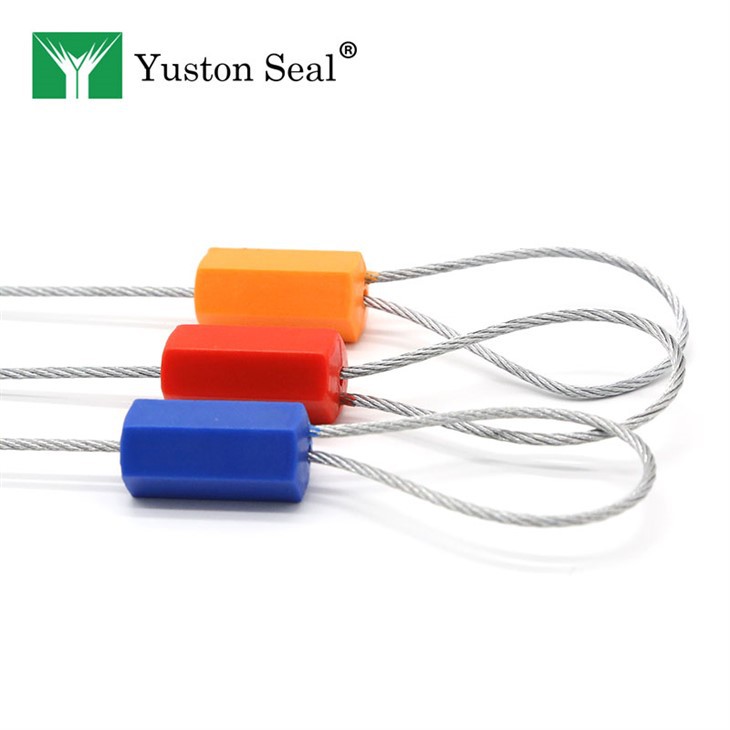
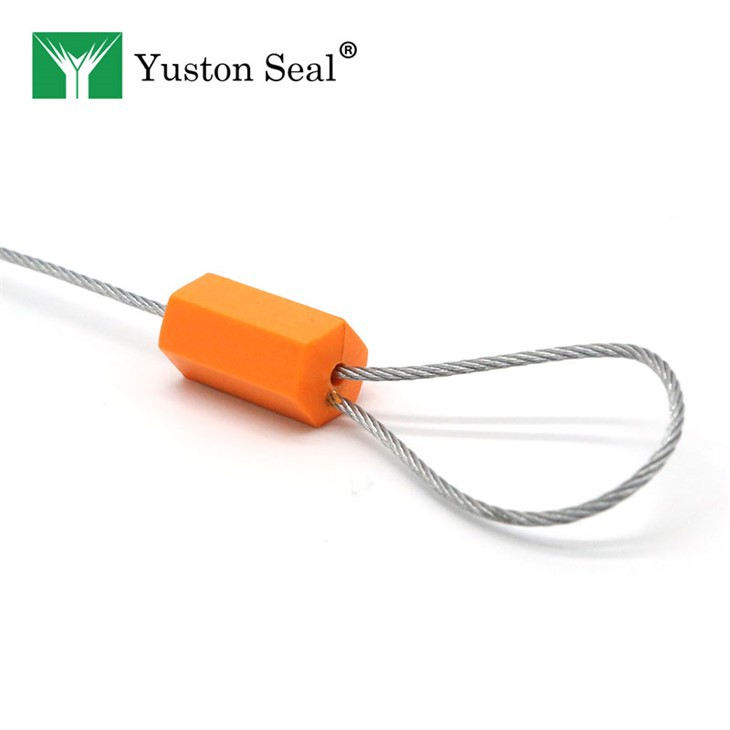
There are several different types of cable seals available on the market, each with its own unique features and benefits. Some of the most common types of cable seals include:
- Security Cable Seals: These are the most basic type of cable seal, and they're designed to provide a high level of security. They're usually made of stainless steel or another strong, durable material, and they're available in a variety of sizes and lengths. Security Cable Seals
- 5.0mm Cable Seal: These are a specific type of cable seal that's designed to be used with larger items or containers. They're usually made of a thicker, stronger cable, and they're available in a variety of colors and styles. 5.0mm Cable Seal
- Hexagonal Cable Seal: These are a unique type of cable seal that's designed to provide a high level of security and tamper-evidence. They're usually made of a hexagonal-shaped cable, which makes them more difficult to cut or break. Hexagonal Cable Seal
So, now that you know how a cable seal works, let's talk about why you might need one. There are several different reasons why you might want to use a cable seal, including:
- Security: Cable seals are designed to provide a high level of security, which means that they can help to prevent unauthorized access and tampering. This is especially important if you're transporting valuable or sensitive items.
- Compliance: Many industries and organizations have specific security requirements that must be met. Using a cable seal can help you to meet these requirements and ensure that you're in compliance with the law.
- Traceability: Cable seals can be used to provide a visible indication of when and where an item was sealed. This can be useful for tracking and tracing the movement of goods, and it can help to prevent theft and fraud.
If you're interested in purchasing cable seals for your business or organization, I'd be happy to help. As a cable seal supplier, I have a wide range of products available, and I can help you to choose the right seal for your needs. Whether you're looking for a basic security seal or a more advanced tamper-evident seal, I have the expertise and experience to help you find the right solution.
So, if you're interested in learning more about cable seals or if you'd like to place an order, please don't hesitate to contact me. I'd be happy to answer any questions you might have and to help you get started. Thanks for reading!
References:
- "Cable Seals: How They Work and Why You Need Them." Security Seal Store. Accessed [Date].
- "Types of Cable Seals and Their Uses." Sealock Security Seals. Accessed [Date].
- "Choosing the Right Cable Seal for Your Needs." Cable Seal Solutions. Accessed [Date].