

Hey there! As a lead seal supplier, I've seen my fair share of questions about lead seals, and one that comes up a lot is how to break a lead seal properly. In this blog post, I'll walk you through the process, explain why it's important to do it right, and share some tips to make the whole thing go smoothly.
Why Properly Breaking a Lead Seal Matters
First off, you might be wondering why it's such a big deal to break a lead seal correctly. Well, lead seals are used in a variety of industries, like utilities, transportation, and shipping, to secure equipment, containers, and meters. They're a way to ensure that everything inside remains intact and hasn't been tampered with.
When it's time to open whatever the lead seal is protecting, breaking it properly is crucial. If you do it wrong, you might damage the equipment or container, or you could end up with a seal that looks like it's been tampered with even if it hasn't. This can cause all sorts of headaches, from delays in getting your work done to potential legal issues. So, it's definitely worth taking the time to learn how to do it right.
Tools You'll Need
Before you start breaking a lead seal, you'll need to gather a few tools. Here's what you'll typically need:
- Pliers: A good pair of pliers is essential for breaking a lead seal. You'll want to choose pliers that are strong enough to grip the seal tightly without slipping. Needle-nose pliers or lineman's pliers are both good options.
- Safety Glasses: Since lead seals can break into small pieces when you're trying to open them, it's important to protect your eyes. Safety glasses will help prevent any flying debris from getting into your eyes and causing an injury.
- Gloves: Lead is a toxic metal, so it's a good idea to wear gloves when handling lead seals. This will help protect your hands from any potential exposure to lead dust or particles.
Step-by-Step Guide to Breaking a Lead Seal
Now that you have your tools ready, let's get into the step-by-step process of breaking a lead seal:
Step 1: Inspect the Seal
Before you start trying to break the seal, take a close look at it. Check for any signs of damage or tampering, like cracks, scratches, or signs that the seal has been opened and reclosed. If you notice any of these signs, it's important to report them right away, as it could indicate that the contents have been compromised.
Step 2: Position the Pliers
Once you've inspected the seal and determined that it's safe to open, position your pliers around the seal. Make sure you have a good grip on the seal, and try to position the pliers as close to the center of the seal as possible. This will give you the most leverage and make it easier to break the seal.
Step 3: Apply Pressure
With the pliers firmly in place, apply pressure to the seal. You'll want to squeeze the pliers slowly and steadily, using a smooth, even motion. Don't try to force the seal open too quickly, as this could cause it to break unevenly or damage the equipment or container it's protecting.
Step 4: Break the Seal
As you apply pressure, you should start to feel the seal begin to give way. Keep applying pressure until the seal breaks completely. Once the seal is broken, carefully remove it from the equipment or container.
Step 5: Dispose of the Seal Properly
After you've broken the seal, it's important to dispose of it properly. Since lead is a toxic metal, you'll need to follow the appropriate safety guidelines for disposing of lead-containing materials. Check with your local environmental agency or waste management facility for specific instructions on how to dispose of lead seals safely.
Tips for Breaking a Lead Seal
Here are a few tips to help you break a lead seal more easily and safely:
- Use the Right Pliers: As I mentioned earlier, choosing the right pliers is crucial for breaking a lead seal. Make sure you have a pair of pliers that are strong enough to grip the seal tightly without slipping.
- Be Gentle: When applying pressure to the seal, it's important to be gentle. Don't try to force the seal open too quickly, as this could cause it to break unevenly or damage the equipment or container it's protecting.
- Protect Yourself: Always wear safety glasses and gloves when handling lead seals to protect yourself from any potential exposure to lead dust or particles.
- Keep Records: If you're breaking a lead seal as part of your job, it's important to keep records of the process. This could include taking photos of the seal before and after it's broken, as well as documenting the date, time, and location of the seal break.
Different Types of Lead Seals and How to Break Them
There are several different types of lead seals available, each with its own unique design and features. Here's a quick overview of some of the most common types of lead seals and how to break them:
Traditional Lead Seals
Traditional lead seals are the most common type of lead seal. They consist of a lead body with a wire or cable running through it. To break a traditional lead seal, simply use your pliers to grip the lead body and apply pressure until the seal breaks.
Tamper-Evident Lead Seals
Tamper-evident lead seals are designed to show if they've been tampered with. They typically have a special design or marking that will be damaged if the seal is opened. To break a tamper-evident lead seal, follow the same steps as you would for a traditional lead seal, but be sure to inspect the seal carefully for any signs of tampering before and after you break it.
High-Security Lead Seals
High-security lead seals are used in applications where extra security is required. They typically have a more complex design and are made from stronger materials than traditional lead seals. To break a high-security lead seal, you may need to use a special tool or technique. Check with the manufacturer or supplier of the seal for specific instructions on how to break it.
Related Products
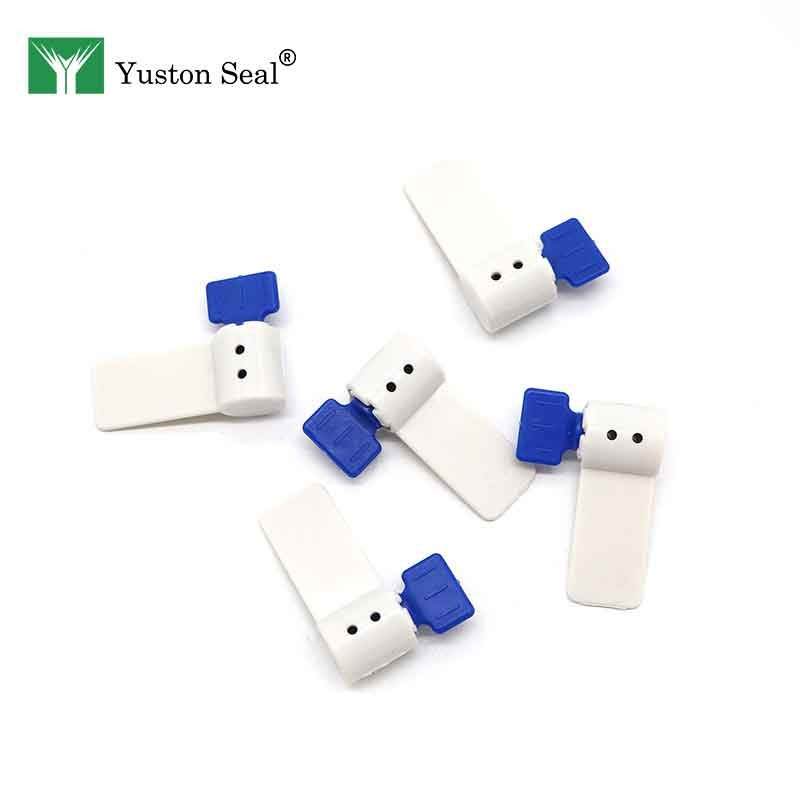
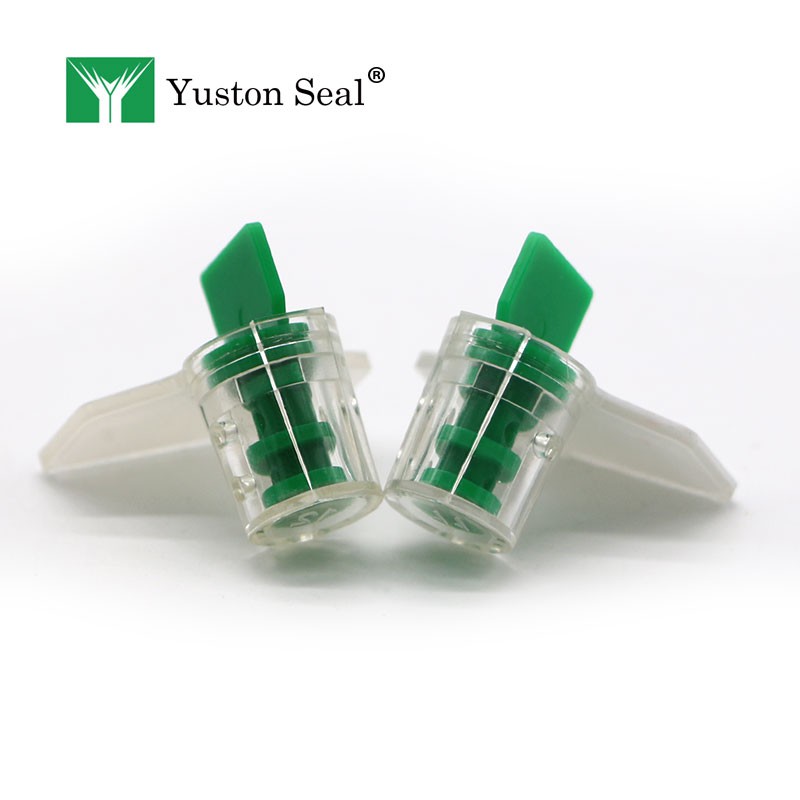
If you're in the market for lead seals or other types of security seals, we offer a wide range of products to meet your needs. Check out our Electric Meter Box Seal, Security Meter Seals, and Plastic Meter Security Seal for more information.
Conclusion
Breaking a lead seal properly is an important skill that can save you a lot of headaches in the long run. By following the steps outlined in this blog post and using the right tools and techniques, you can break a lead seal safely and easily without damaging the equipment or container it's protecting.
If you have any questions about lead seals or need help choosing the right seal for your application, don't hesitate to reach out. We're here to help you find the best solution for your needs. Whether you're a utility company, a shipping company, or just someone who needs to secure a container or piece of equipment, we have the expertise and products to get the job done right.
So, if you're interested in learning more about our lead seals or other security products, or if you're ready to place an order, just get in touch. We'll be happy to discuss your requirements and help you find the perfect seal for your needs. Let's work together to keep your assets secure!
References
- Industry standards and guidelines for lead seal usage and disposal
- Manufacturer's instructions for different types of lead seals