

Selecting the appropriate plastic seal for a specific application is a crucial decision that can significantly impact the security, integrity, and efficiency of your operations. As a plastic seal supplier, I understand the diverse needs of different industries and the importance of making informed choices. In this blog post, I will guide you through the process of choosing the right plastic seal for your specific requirements.
Understanding Your Application Requirements
The first step in choosing a plastic seal is to thoroughly understand the specific requirements of your application. Consider the following factors:
- Security Level: Determine the level of security needed for your application. Some applications may require high-security seals that are tamper-evident and difficult to break, while others may only need basic seals for identification purposes. For high-security applications, Security Seals are an excellent choice as they are designed to provide maximum protection against tampering.
- Environment: Consider the environmental conditions in which the seal will be used. Will it be exposed to extreme temperatures, moisture, chemicals, or UV radiation? If so, you need to choose a plastic seal that is resistant to these conditions to ensure its durability and performance. For example, if the seal will be used in a fuel tanker, Plastic Seal With Number Fuel Tankers are designed to withstand the harsh conditions of the fuel industry.
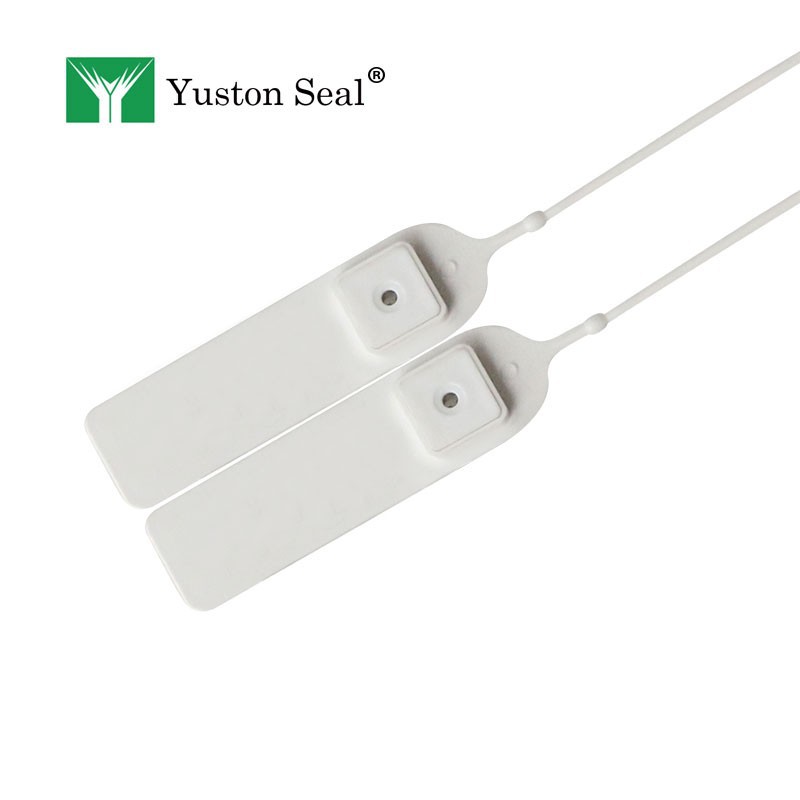
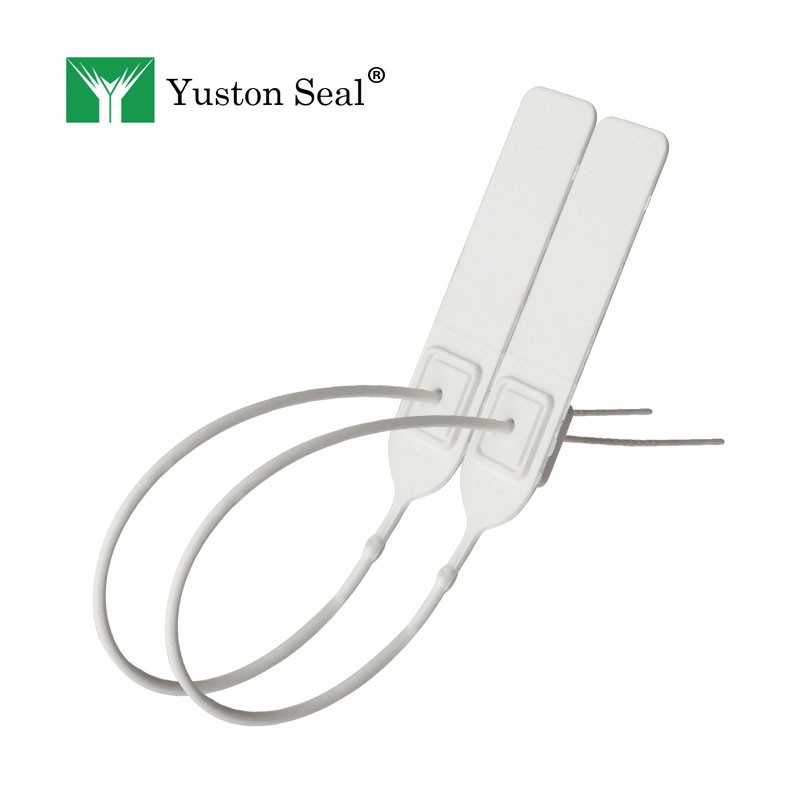
- Application Type: Different applications require different types of plastic seals. For example, if you are sealing a container, you may need a bolt seal or a cable seal. If you are sealing a bag or a box, a numbered plastic seal may be more appropriate. Numbered Plastic Seal are commonly used for tracking and identification purposes.
- Size and Shape: Consider the size and shape of the object you need to seal. Make sure the plastic seal you choose is the right size and shape to fit your application. Some seals are available in different sizes and shapes to accommodate various needs.
Types of Plastic Seals
There are several types of plastic seals available on the market, each with its own unique features and benefits. Here are some of the most common types:
- Bolt Seals: Bolt seals are one of the most secure types of plastic seals. They consist of a bolt and a locking mechanism that cannot be removed without breaking the seal. Bolt seals are commonly used for sealing containers, trucks, and trailers.
- Cable Seals: Cable seals are flexible seals that consist of a cable and a locking mechanism. They are easy to install and can be used to seal a variety of objects, including bags, boxes, and containers. Cable seals are available in different lengths and thicknesses to accommodate various needs.
- Numbered Plastic Seals: Numbered plastic seals are seals that are imprinted with a unique number or code. They are commonly used for tracking and identification purposes. Numbered plastic seals are available in different colors and sizes to accommodate various needs.
- Security Tapes: Security tapes are adhesive tapes that are used to seal packages and containers. They are designed to be tamper-evident and can be used to provide an extra layer of security. Security tapes are available in different colors and sizes to accommodate various needs.
Choosing the Right Material
The material used to make the plastic seal is an important consideration. Different materials have different properties, such as strength, durability, and resistance to environmental conditions. Here are some of the most common materials used to make plastic seals:
- Polypropylene (PP): Polypropylene is a lightweight and durable plastic that is commonly used to make plastic seals. It is resistant to moisture, chemicals, and UV radiation, making it suitable for a variety of applications.
- Polycarbonate (PC): Polycarbonate is a strong and impact-resistant plastic that is commonly used to make high-security seals. It is resistant to heat, chemicals, and UV radiation, making it suitable for use in harsh environments.
- PVC (Polyvinyl Chloride): PVC is a flexible and durable plastic that is commonly used to make cable seals and security tapes. It is resistant to moisture, chemicals, and UV radiation, making it suitable for a variety of applications.
Quality and Certification
When choosing a plastic seal, it is important to consider the quality and certification of the product. Look for seals that are manufactured to high standards and meet relevant industry certifications, such as ISO 9001 and ISO 14001. These certifications ensure that the seals are of high quality and have been tested for performance and durability.
Cost and Value
Cost is an important consideration when choosing a plastic seal. However, it is important to remember that the cheapest option may not always be the best value. Consider the quality, durability, and performance of the seal in relation to its cost. A higher-quality seal may cost more upfront, but it may save you money in the long run by reducing the risk of tampering and ensuring the integrity of your products.
Supplier Reputation and Support
Choosing a reliable and reputable plastic seal supplier is essential. Look for a supplier that has a proven track record of providing high-quality products and excellent customer service. A good supplier will be able to provide you with technical support, product recommendations, and assistance with installation and maintenance.
Conclusion
Choosing the right plastic seal for a specific application requires careful consideration of several factors, including security level, environment, application type, size and shape, material, quality, cost, and supplier reputation. By following the guidelines outlined in this blog post, you can make an informed decision and choose the plastic seal that best meets your needs.
If you have any questions or need further assistance in choosing the right plastic seal for your application, please do not hesitate to contact us. We are a leading plastic seal supplier with years of experience in the industry, and we are committed to providing our customers with the highest quality products and services. We look forward to working with you to find the perfect plastic seal solution for your specific requirements.
References
- ASTM International. (n.d.). ASTM Standards for Seals. Retrieved from [Website URL]
- International Organization for Standardization. (n.d.). ISO Standards for Quality Management and Environmental Management. Retrieved from [Website URL]
- Seal Manufacturers Association. (n.d.). Best Practices for Seal Selection and Use. Retrieved from [Website URL]