

Cable seals are essential components used in various industries to secure cables, prevent unauthorized access, and ensure the integrity of electrical systems. As a leading cable seal supplier, we understand the importance of maintaining the quality and functionality of these seals. One crucial aspect of this maintenance is proper cleaning. In this blog post, we will explore how to clean cable seals effectively, ensuring they continue to perform their intended functions.
Why Cleaning Cable Seals is Important
Before delving into the cleaning process, it's important to understand why cleaning cable seals is necessary. Over time, cable seals can accumulate dirt, dust, grease, and other contaminants. These contaminants can compromise the seal's effectiveness, leading to potential security risks, electrical issues, or even corrosion. For example, dirt and dust can create gaps in the seal, allowing moisture to enter and cause damage to the cables. Grease and oil can also break down the materials of the seal, reducing its durability. By regularly cleaning cable seals, you can extend their lifespan, maintain their security features, and ensure the smooth operation of your electrical systems.
Types of Cable Seals
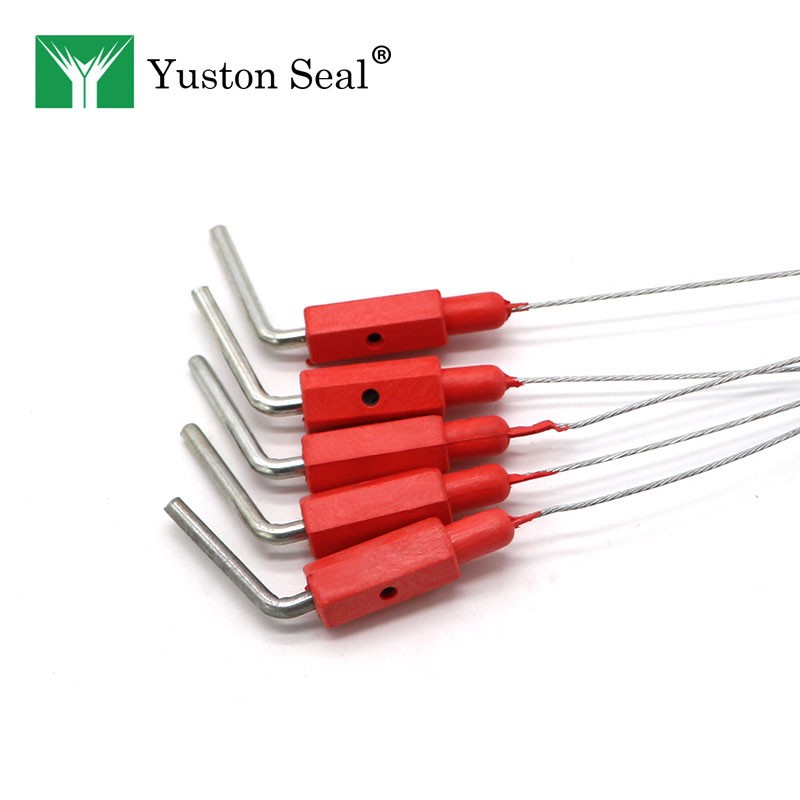
There are several types of cable seals available in the market, each with its own unique features and cleaning requirements. Some of the common types include:
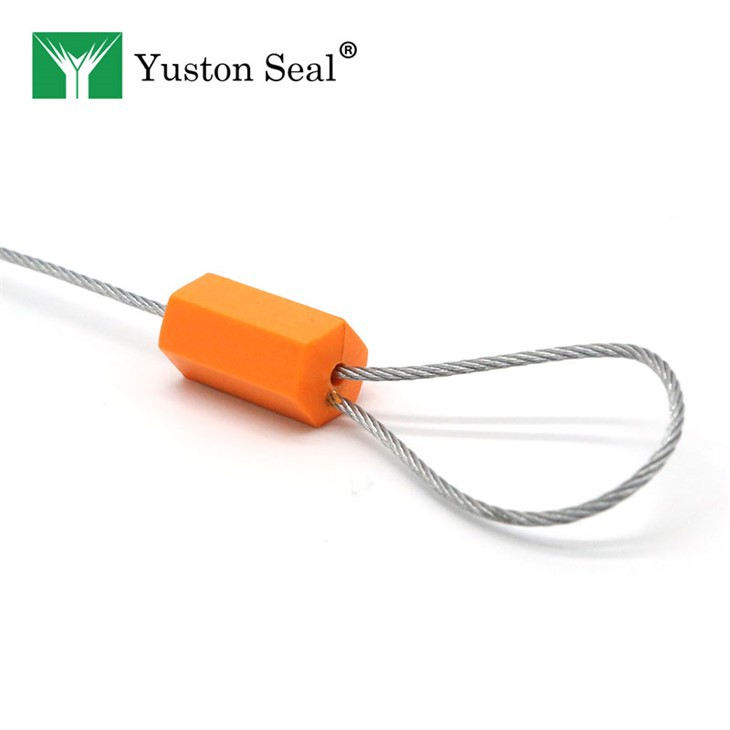
- Hexagonal Cable Seal: These seals are known for their hexagonal shape, which provides enhanced security and tamper - evidence. You can learn more about them Hexagonal Cable Seal.
- Custom Cable Seals: As the name suggests, custom cable seals are designed to meet specific requirements of different industries. They can be customized in terms of size, shape, color, and marking. Check out our Custom Cable Seals for more details.
- Colored Cable Seals: Colored cable seals are often used for easy identification and categorization. They come in a variety of colors, allowing you to distinguish between different cables or systems. Find more information on Colored Cable Seals.
Pre - cleaning Considerations
Before you start cleaning cable seals, there are a few things you need to consider:
- Power Off: Ensure that the electrical system connected to the cable seals is powered off. This is a safety precaution to prevent electric shock during the cleaning process.
- Inspect the Seals: Examine the cable seals for any signs of damage, such as cracks, breaks, or excessive wear. If you notice any significant damage, it may be necessary to replace the seal instead of cleaning it.
- Choose the Right Cleaning Agents: Different types of cable seals may require different cleaning agents. For example, plastic seals may be more sensitive to harsh chemicals, while metal seals can withstand stronger cleaners. It's important to choose a cleaning agent that is compatible with the material of the seal.
Cleaning Steps
The following steps outline a general process for cleaning cable seals:
Step 1: Remove Loose Debris
Use a soft - bristled brush or a compressed air canister to remove any loose dirt, dust, or debris from the surface of the cable seal. This initial step helps to prevent scratching the seal during the subsequent cleaning process. For hard - to - reach areas, you can use a small, handheld brush or a pipe cleaner.
Step 2: Prepare the Cleaning Solution
Depending on the type of contaminants and the material of the seal, you can choose an appropriate cleaning solution. Here are some common options:
- Mild Soap and Water: For general cleaning of most cable seals, a solution of mild dish soap and warm water can be effective. Mix a small amount of soap with water in a clean container.
- Isopropyl Alcohol: Isopropyl alcohol is a good option for removing grease, oil, and some types of adhesives. It evaporates quickly and leaves no residue. However, it may not be suitable for all types of plastic seals, so test it on a small, inconspicuous area first.
- Specialized Cleaning Agents: For more stubborn contaminants or specific types of seals, you may need to use specialized cleaning agents. These can be found at hardware stores or obtained from the seal manufacturer.
Step 3: Clean the Seals
Dip a clean, soft cloth or sponge into the cleaning solution and gently wipe the surface of the cable seal. Make sure to cover all areas, including the edges and any indentations. For seals with intricate designs or hard - to - clean areas, you can use a cotton swab dipped in the cleaning solution. Avoid applying too much pressure, as this can damage the seal.
Step 4: Rinse the Seals
After cleaning, rinse the cable seals thoroughly with clean water to remove any remaining cleaning solution. You can use a spray bottle or a gentle stream of water from a faucet. Make sure to rinse all parts of the seal to prevent the build - up of soap or other cleaning agents.
Step 5: Dry the Seals
Use a clean, dry cloth to pat the cable seals dry. You can also let them air - dry in a well - ventilated area. Avoid using heat sources to dry the seals, as this can cause damage to the material.
Post - cleaning Maintenance
Once the cable seals are clean and dry, there are a few additional steps you can take to maintain their performance:
- Lubrication: For some types of cable seals, especially those with moving parts, a light application of lubricant can help ensure smooth operation. However, make sure to use a lubricant that is compatible with the seal material.
- Re - installation: If you removed the cable seals during the cleaning process, carefully re - install them according to the manufacturer's instructions. Make sure they are properly seated and tightened to ensure a secure fit.
- Regular Inspections: Schedule regular inspections of the cable seals to check for any signs of new contamination or damage. This allows you to address any issues promptly and maintain the integrity of your electrical systems.
Tips for Effective Cleaning
- Be Gentle: As mentioned earlier, cable seals can be delicate, especially plastic ones. Always use gentle cleaning techniques to avoid damaging the seals.
- Test Cleaning Agents: Before applying a new cleaning agent to the entire seal, test it on a small, hidden area to ensure it does not cause any damage or discoloration.
- Follow Manufacturer's Recommendations: The manufacturer of the cable seals may provide specific cleaning instructions. It's important to follow these recommendations to ensure the best results.
Conclusion
Cleaning cable seals is an important part of maintaining the security and functionality of your electrical systems. By following the steps and tips outlined in this blog post, you can effectively clean your cable seals and extend their lifespan. As a cable seal supplier, we are committed to providing high - quality products and helpful information to our customers. If you have any questions about cable seal cleaning or are interested in purchasing cable seals for your specific needs, we encourage you to contact us for further discussion and potential procurement. We look forward to working with you to meet your cable seal requirements.
References
- General knowledge about cable seal maintenance from industry best practices.
- Manufacturer's guidelines for cable seal cleaning and care.