

As a seasoned supplier of metal strap seals, I understand the critical importance of ensuring that these seals are not over - tightened. Over - tightening can lead to a host of problems, including damage to the seal itself, the container or equipment it is securing, and even compromise the integrity of the entire sealing system. In this blog post, I will share some key strategies and best practices on how to ensure that the metal strap seal is not over - tightened.
Understanding the Consequences of Over - Tightening
Before delving into the solutions, it's essential to understand why over - tightening is such a concern. When a metal strap seal is over - tightened, the excessive force can cause the strap to break or deform. This not only renders the seal ineffective but can also pose a safety hazard. Moreover, over - tightening can damage the surface of the container or equipment where the seal is applied. For example, it may scratch or dent the metal, which could lead to corrosion over time.
In addition, an over - tightened seal may be difficult to remove when necessary. This can cause delays in operations, especially in industries where quick access to sealed containers is crucial. For instance, in the transportation of goods, a damaged or overly tight seal may require additional time and effort to break open, which can disrupt the supply chain.
Selecting the Right Tools
One of the first steps in preventing over - tightening is to use the appropriate tools. There are specialized tools designed for installing metal strap seals, such as seal applicators. These tools are calibrated to apply the correct amount of force, ensuring that the seal is tightened to the optimal level.
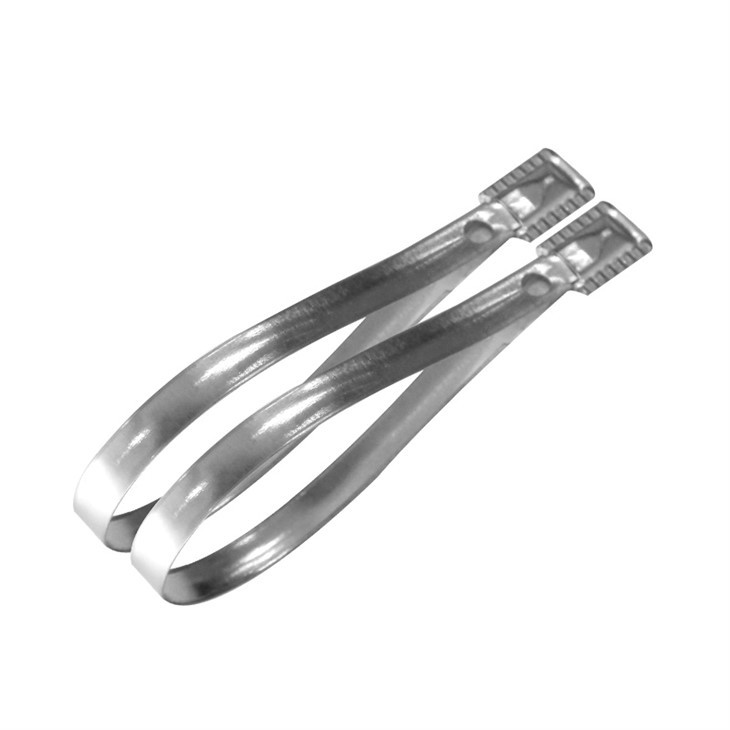
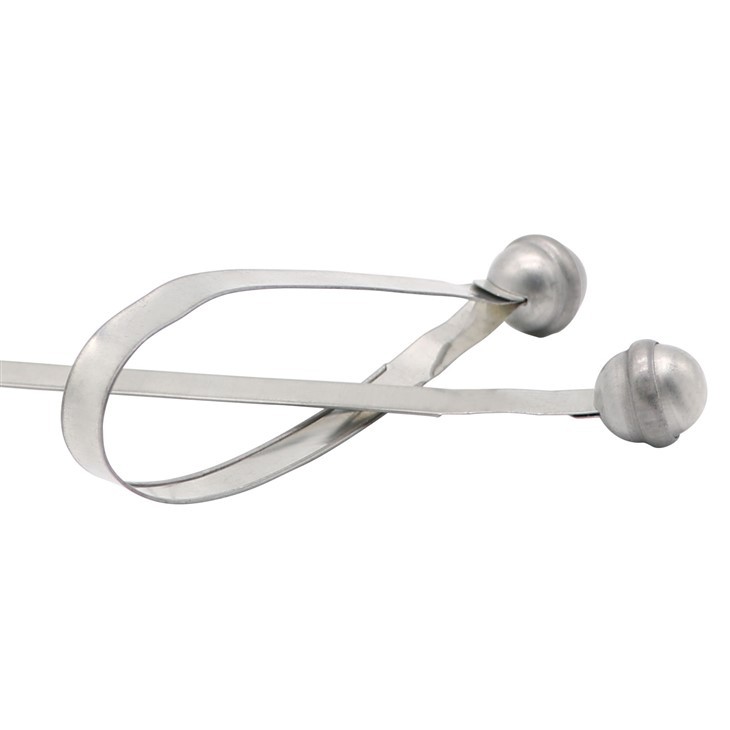
When choosing a seal applicator, look for one that is adjustable. This allows you to set the tightening force according to the specific requirements of the seal and the application. For example, different types of metal strap seals, such as Truck Metal Seal and Round Head Metal Strap Seal, may require different levels of tightening. An adjustable applicator gives you the flexibility to accommodate these variations.
Following Manufacturer Guidelines
Manufacturer guidelines are a valuable resource when it comes to proper seal installation. Each type of metal strap seal has specific requirements for tightening, which are outlined in the product documentation. These guidelines take into account factors such as the material of the seal, its dimensions, and the intended application.
For example, some seals may have a recommended torque value that should not be exceeded. By following these guidelines, you can ensure that the seal is tightened to the correct level, reducing the risk of over - tightening. It's also important to note that the guidelines may vary depending on whether the seal is being used in a static or dynamic environment. In a dynamic environment, such as on a moving vehicle, the seal may need to be tightened slightly more to withstand vibrations and movements.
Training and Education
Proper training of personnel is crucial in preventing over - tightening. Employees who are responsible for installing metal strap seals should be trained on the correct installation procedures, including how to use the tools and follow the manufacturer's guidelines.
Training programs should cover topics such as the importance of not over - tightening, how to recognize the signs of an over - tightened seal, and how to adjust the tightening force as needed. Hands - on training is particularly effective, as it allows employees to practice the installation process under the supervision of an experienced trainer.
In addition, regular refresher courses should be provided to keep employees up - to - date with the latest installation techniques and best practices. This helps to ensure that all personnel are consistently applying the correct amount of force when installing metal strap seals.
Quality Control Checks
Implementing quality control checks is another important step in ensuring that metal strap seals are not over - tightened. These checks should be carried out at various stages of the installation process, from the initial inspection of the seal and tools to the final verification of the installed seal.
Before installation, inspect the seal for any signs of damage or defects. A damaged seal may require a different tightening procedure or may not be suitable for use at all. During installation, monitor the tightening process to ensure that the correct amount of force is being applied. This can be done using torque wrenches or other measuring devices.
After installation, conduct a final inspection of the seal. Look for signs of over - tightening, such as deformation of the strap or damage to the container. If any issues are detected, the seal should be removed and reinstalled correctly.
Using Feedback Loops
Feedback loops can be an effective way to continuously improve the installation process and prevent over - tightening. Encourage employees to provide feedback on the installation process, including any difficulties they encounter or suggestions for improvement.
This feedback can be used to identify areas where additional training may be needed, or to make adjustments to the installation procedures. For example, if employees consistently report that a particular type of seal is difficult to install without over - tightening, it may be necessary to review the manufacturer's guidelines or adjust the tools being used.
Consider the Application Environment
The application environment plays a significant role in determining the appropriate level of tightening for a metal strap seal. For example, in a high - humidity environment, the seal may need to be tightened slightly more to prevent corrosion and ensure a secure fit. On the other hand, in a low - temperature environment, the material of the seal may become more brittle, so excessive tightening should be avoided to prevent breakage.
When considering the application environment, also take into account any external forces that the seal may be subjected to. For example, Metal Truck Seals used on trucks are exposed to vibrations and shocks during transportation. In such cases, the seal should be tightened to a level that can withstand these forces without being over - tightened.
Conclusion
Ensuring that metal strap seals are not over - tightened is essential for maintaining the integrity of the sealing system and preventing damage to the seal and the container. By selecting the right tools, following manufacturer guidelines, providing proper training, implementing quality control checks, using feedback loops, and considering the application environment, you can significantly reduce the risk of over - tightening.
As a trusted supplier of metal strap seals, we are committed to providing high - quality products and supporting our customers with the knowledge and resources they need for proper installation. If you have any questions about our metal strap seals or need assistance with installation, please feel free to contact us for procurement and further discussions.
References
- Industry standards and guidelines for metal strap seal installation
- Manufacturer product documentation for various types of metal strap seals
- Training materials on metal strap seal installation and maintenance