

Handling damaged ear tags for livestock is a crucial aspect of animal management that requires careful attention and a systematic approach. As a supplier of Ear Tags For Livestock, I understand the importance of maintaining accurate identification and ensuring the well - being of animals. In this blog, I will share some effective strategies and best practices for dealing with damaged ear tags.
Understanding the Importance of Ear Tags
Ear tags serve as a primary means of identifying livestock. They provide essential information such as the animal's birth date, breed, and health status. Accurate identification is vital for record - keeping, tracking growth and performance, and complying with regulatory requirements. When ear tags are damaged, this information may be lost or become unreadable, which can lead to significant challenges in managing the herd or flock.
Common Causes of Ear Tag Damage
There are several factors that can cause ear tags to become damaged. Physical abrasion is one of the most common causes. Animals may rub against fences, feeders, or other objects, causing the tag to tear or break. Additionally, environmental factors such as extreme weather conditions, exposure to chemicals, or the presence of pests can also contribute to tag damage. Another factor is improper application. If the tag is not inserted correctly, it may not stay securely in place, leading to damage over time.
Assessing the Damage
The first step in handling damaged ear tags is to assess the extent of the damage. Minor damage, such as a small tear or a scuffed surface, may still allow the tag to be readable. In such cases, it may be possible to repair the tag using simple tools and materials. However, if the tag is severely damaged, with the number or other identifying information completely unreadable, it will need to be replaced.
Repairing Minorly Damaged Ear Tags
For minor damage, there are a few methods that can be used to repair the ear tag. One option is to use a clear adhesive tape to cover small tears or holes. This can help to prevent further damage and keep the tag intact. Another method is to use a plastic welding kit to repair cracks in the tag. This requires some skill and the right equipment, but it can be an effective way to restore the tag's functionality.
Replacing Severely Damaged Ear Tags
When a tag is severely damaged and cannot be repaired, it must be replaced. As a supplier of Sheep Ear Tags and Cow Number Tags, I offer a wide range of high - quality replacement tags. Before replacing the tag, it is important to ensure that the new tag has the correct information. This may involve transferring the data from the old tag to the new one or using a new identification number if necessary.
The Replacement Process
The process of replacing a damaged ear tag should be carried out with care to minimize stress to the animal. First, the old tag should be carefully removed from the animal's ear. This can be done using a pair of tag removers. Once the old tag is removed, the new tag should be inserted using a tag applicator. It is important to follow the manufacturer's instructions for proper application to ensure that the tag is securely in place.
Record - Keeping and Documentation
After replacing a damaged ear tag, it is essential to update the animal's records. This includes recording the new tag number, the date of replacement, and any other relevant information. Proper record - keeping helps to maintain accurate identification and ensures that all animals in the herd or flock are accounted for.
Preventing Future Ear Tag Damage
To reduce the likelihood of ear tag damage in the future, there are several preventive measures that can be taken. One of the most effective ways is to ensure that the tags are of high quality. Livestock Identification Tags made from durable materials are less likely to be damaged. Additionally, regular inspections of the animals' ears can help to identify any potential issues early on. This allows for timely repairs or replacements before the damage becomes severe.
Training for Farm Staff
Proper training for farm staff is also crucial in preventing ear tag damage. Staff should be educated on the correct methods of tag application, handling, and maintenance. They should also be trained to recognize the signs of tag damage and take appropriate action. This can help to ensure that all animals are properly identified and that the integrity of the identification system is maintained.
Working with a Reliable Supplier
As a supplier of Ear Tags For Livestock, I am committed to providing high - quality products and excellent customer service. I understand the unique needs of farmers and ranchers, and I am dedicated to helping them manage their livestock effectively. Whether you need replacement tags or advice on handling damaged tags, I am here to assist you.
Conclusion
Handling damaged ear tags for livestock is an important part of animal management. By understanding the causes of damage, assessing the extent of the problem, and taking appropriate action, farmers and ranchers can ensure that their animals are properly identified. Whether through repair or replacement, maintaining accurate identification is essential for the health and productivity of the herd or flock.
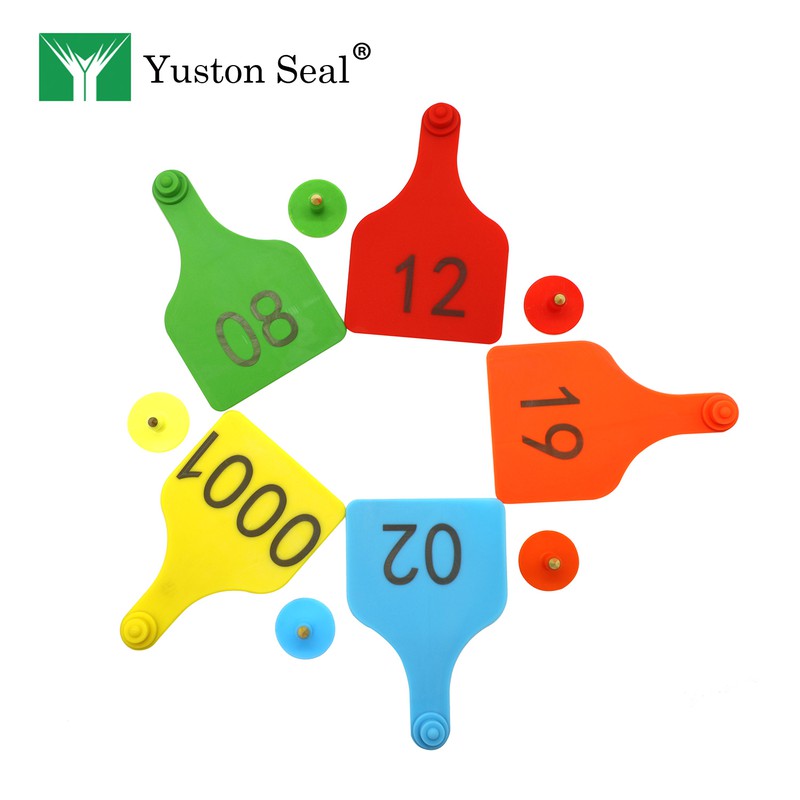
If you are interested in purchasing high - quality ear tags for your livestock or need more information on handling damaged tags, please feel free to contact us for a procurement discussion. Our team of experts is ready to assist you in finding the best solutions for your needs.
References
- "Livestock Identification and Traceability" - Compiled by various industry experts.
- "Best Practices in Animal Management" - A guide published by an agricultural research institute.