

As a cable seal supplier, I understand the critical importance of ensuring the integrity of cable seals. Tampered cable seals can pose significant risks, especially in industries where security and traceability are paramount, such as logistics, transportation, and energy. In this blog, I'll share some practical methods on how to identify a tampered cable seal.
Visual Inspection
The first and most straightforward method is visual inspection. A properly installed cable seal should have a clean and intact appearance. When examining a cable seal, look for the following signs:
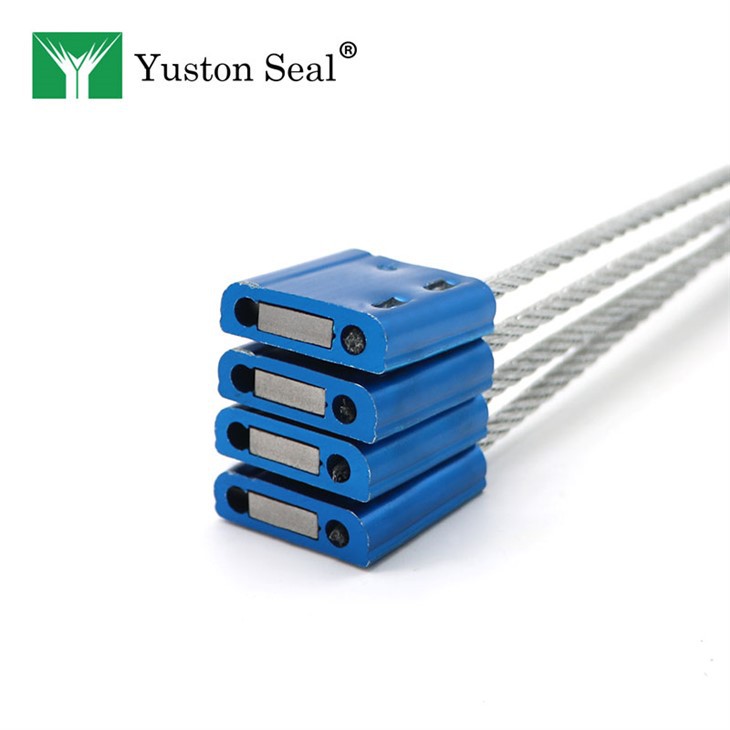
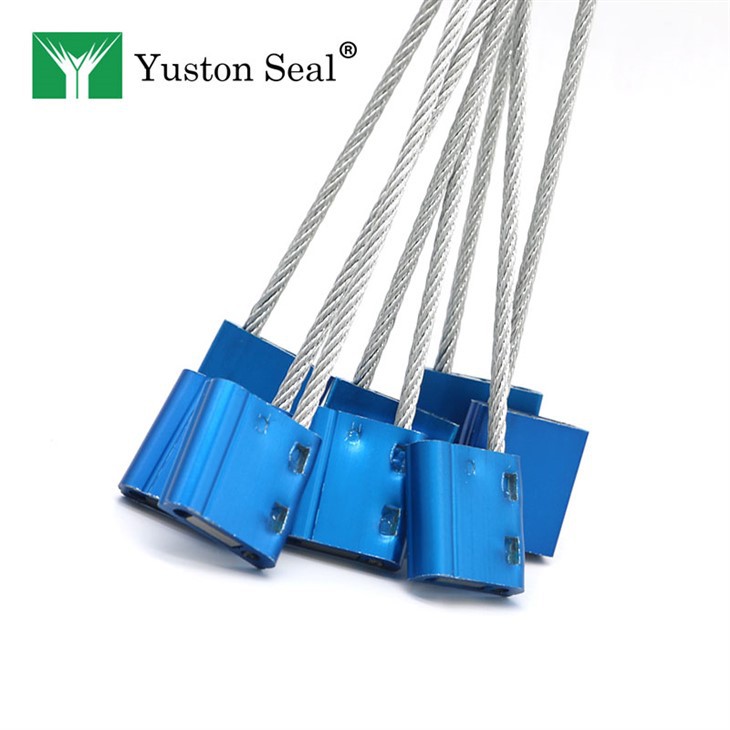
- Physical Damage: Check for any visible cracks, breaks, or deformities on the seal body. For example, Metal Cable Seals are typically made of durable metals, but if they have been tampered with, you may notice dents or scratches that are not consistent with normal wear and tear.
- Seal Number and Markings: Every cable seal has a unique identification number and markings. These are crucial for traceability. Verify that the number is clear and has not been altered. If the digits are smudged, scratched, or look out of place, it could be a sign of tampering. Some seals also have additional markings such as logos or security patterns. Make sure these are intact and match the original design.
- Cable Integrity: Examine the cable portion of the seal. It should be straight and without any signs of bending or kinking that could indicate an attempt to remove and re - insert it. For Stainless Steel Cable Seals, the cable should have a smooth surface without any cuts or abrasions that might suggest tampering.
Seal Closure Mechanism
The closure mechanism of a cable seal is designed to be a one - time use. Once it is locked, it should not be possible to open it without leaving visible evidence.
- Locking Device: Different cable seals use various locking devices, such as snap - locks, barrel locks, or crimped closures. Inspect the locking mechanism closely. For snap - lock seals, the snap should be firmly in place and not loose. If it can be easily moved or shows signs of being pried open, it may have been tampered with.
- Crimp Marks: In the case of crimped cable seals, the crimp marks should be uniform and consistent. Irregular or multiple crimp marks could indicate that the seal was opened and re - crimped. Compare the crimp marks with a known good seal of the same type to identify any discrepancies.
Seal Color and Finish
Some cable seals come in different colors, and the finish can also provide clues about tampering.
- Color Fading or Discoloration: Colored Cable Seals are often used for easy identification. If the color of a seal has faded or changed in an unexpected way, it could be a sign of exposure to chemicals or heat during an attempt to tamper with it. For example, if a seal that was originally a bright red has turned a dull pink, it may have been subjected to some form of manipulation.
- Surface Finish: The surface finish of a seal should be smooth and consistent. Any rough patches, unevenness, or signs of repainting could indicate tampering. For instance, if a seal has a glossy finish but there are areas that look matte, it might have been tampered with and then poorly restored.
Comparison with Known Good Seals
One of the most effective ways to identify a tampered cable seal is to compare it with a known good seal of the same type.
- Sample Seals: Keep a set of sample seals that are known to be untampered. When inspecting a suspect seal, place it side by side with a sample seal. Compare the size, shape, color, markings, and closure mechanism. Any differences could indicate tampering.
- Manufacturer's Specifications: Refer to the manufacturer's specifications for the seal. These will provide detailed information about the seal's dimensions, materials, and expected appearance. If the suspect seal does not match the specifications in any way, it should be considered a potential tampering case.
Advanced Inspection Techniques
In some cases, visual inspection may not be sufficient, and more advanced techniques may be required.
- X - Ray or CT Scanning: For high - security applications, X - ray or CT scanning can be used to examine the internal structure of the seal. This can reveal if there are any hidden components or if the seal has been modified in a way that is not visible from the outside.
- Chemical Analysis: Chemical analysis can be used to detect if the seal has been exposed to any chemicals that could be used to break it open. This is particularly useful in cases where the tampering method involves the use of solvents or corrosive substances.
Importance of Identifying Tampered Seals
Identifying tampered cable seals is crucial for several reasons.
- Security: In industries such as transportation of valuable goods or sensitive materials, a tampered seal could indicate that the contents have been compromised. This could lead to theft, sabotage, or the introduction of unauthorized substances.
- Compliance: Many industries are subject to strict regulations regarding the security and integrity of shipments. Identifying and reporting tampered seals is essential for compliance with these regulations.
- Traceability: By identifying tampered seals, it becomes possible to trace back the point at which the tampering occurred. This can help in investigating the incident and taking appropriate measures to prevent future occurrences.
Conclusion
As a cable seal supplier, I am committed to providing high - quality seals that are resistant to tampering. However, it is equally important for our customers to know how to identify tampered seals. By using the methods described in this blog, you can enhance the security of your operations and ensure the integrity of your shipments.
If you are in the market for reliable cable seals or have any questions about seal security, I encourage you to reach out to me. We can discuss your specific requirements and find the best cable seal solutions for your needs. Let's work together to safeguard your valuable assets and meet your security challenges head - on.
References
- "Cable Seal Handbook" - Industry - standard guide on cable seal technology and security.
- Manufacturer's documentation for various cable seal products.