

Hey there! As a supplier of Container Plastic Seals, I often get asked about how to install these seals on large - scale containers. It's a crucial process as it helps ensure the security and integrity of the goods inside the container during transit. In this blog, I'll walk you through the step - by - step process of installing a container plastic seal on a large - scale container.
Why Container Plastic Seals Matter
Before we dive into the installation process, let's quickly talk about why container plastic seals are so important. These seals act as a visible indicator of tampering. If someone tries to open the container without proper authorization, the seal will break, leaving an obvious sign. This is especially important for high - value goods, sensitive materials, or any cargo that needs to be protected from unauthorized access.
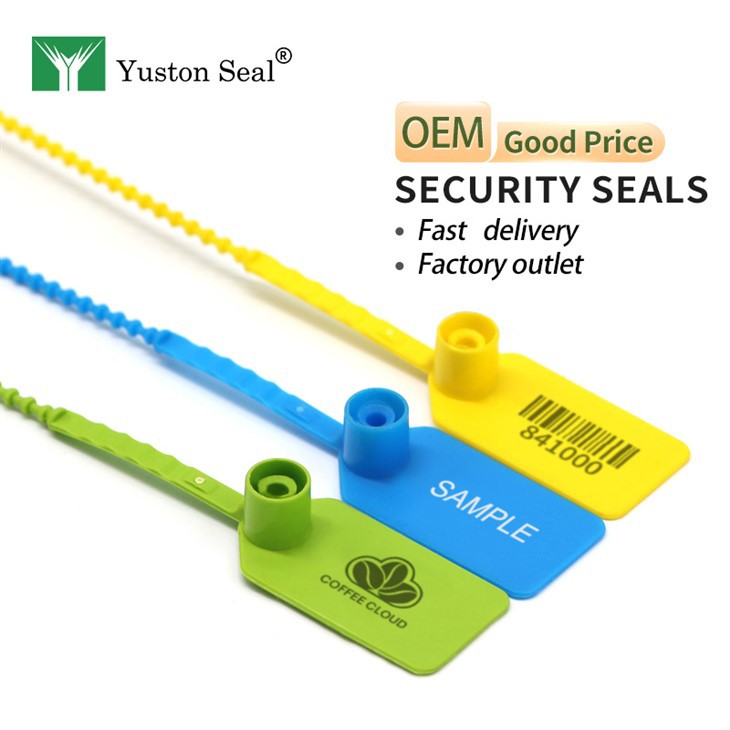
We offer a variety of plastic seals, such as Tamper Evident Plastic Seal, Fire Extinguisher Pin Seal, and Numbered Plastic Seal. Each type has its own unique features and applications, but they all serve the common purpose of securing containers.
Tools You'll Need
To install a container plastic seal, you don't need a whole bunch of fancy tools. Here's what you'll typically need:
- The container plastic seal itself. Make sure it's the right size and type for your container.
- A pair of gloves. This will protect your hands from any sharp edges on the container and also keep the seal clean.
- A marker. You'll use this to record the seal number for documentation purposes.
Step 1: Inspect the Container
Before you install the seal, you need to do a quick inspection of the container. Check for any signs of damage, such as dents, holes, or broken doors. If you notice any issues, it's important to report them immediately. A damaged container could compromise the security of the goods inside, and you might need to take additional precautions or even use a different container.
Also, make sure the container doors are clean and free of any debris. This will ensure that the seal can be installed properly and will fit snugly.
Step 2: Prepare the Seal
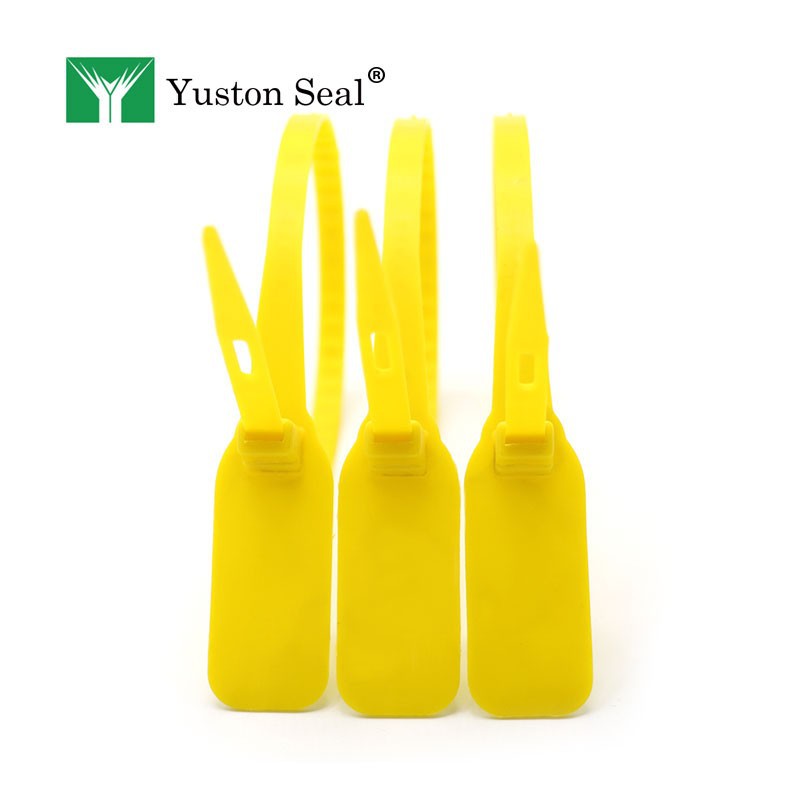
Take the container plastic seal out of its packaging. Check it for any defects, like cracks or broken parts. If the seal is damaged, don't use it. Contact us, and we'll replace it for you.
Some seals come with a unique number or barcode. Use your marker to write down this number in your documentation. This number will be used to track the seal and verify its authenticity.
Step 3: Position the Seal
Now it's time to position the seal on the container. Most large - scale containers have a hasp or a locking mechanism where the seal can be attached. Align the seal with the hasp so that the locking part of the seal fits through the holes in the hasp.
Make sure the seal is straight and centered. If it's not positioned correctly, it might not lock properly, or it could break easily.
Step 4: Install the Seal
Once the seal is properly positioned, it's time to install it. For most plastic seals, you'll need to push the locking part of the seal through the hasp until it clicks into place. This indicates that the seal is locked and cannot be removed without breaking it.
Some seals might require a little more force to lock. Just be careful not to use too much force, as you don't want to break the seal or damage the container.
Step 5: Verify the Installation
After installing the seal, give it a gentle tug to make sure it's securely locked. If the seal moves or comes loose, it means it's not installed correctly. In this case, you'll need to remove the seal (which will break it) and install a new one.
Also, check that the seal is clearly visible and that the number or barcode can be easily read. This will make it easier for anyone who needs to check the seal during transit.
Step 6: Document the Installation
Once the seal is installed and verified, it's important to document the installation. Write down the seal number, the date and time of installation, and the container number. This documentation will be crucial for tracking the container and ensuring its security.
You can use a paper log or a digital system to record this information. Just make sure it's easily accessible and can be shared with the relevant parties, such as shipping companies or customs officials.
Tips for a Successful Installation
- Follow the Manufacturer's Instructions: Different types of container plastic seals might have slightly different installation procedures. Always read the manufacturer's instructions carefully before installing the seal.
- Train Your Staff: If you have multiple people installing the seals, make sure they are properly trained. This will ensure that the seals are installed correctly every time.
- Keep Spare Seals on Hand: It's always a good idea to have some spare seals available in case one gets damaged during installation.
Conclusion
Installing a container plastic seal on a large - scale container is a relatively simple process, but it's an important one. By following these steps, you can ensure that your containers are secure and that your goods are protected during transit.
If you have any questions about our container plastic seals or need help with the installation process, don't hesitate to reach out. We're here to support you and make sure you get the best products for your needs. Whether you're shipping high - value electronics or perishable goods, our seals will give you the peace of mind you need.
So, if you're in the market for container plastic seals, contact us today to discuss your requirements. We can help you choose the right type of seal for your containers and provide you with all the information you need for a successful installation.
References
- General knowledge about container security and plastic seal installation.
- Product manuals and specifications provided by our company for different types of plastic seals.