

Hey there! I'm a supplier of Metal Container Seals, and today I'm gonna walk you through the process of installing these seals. Metal container seals are super important for keeping your goods secure during transit. They're used in a bunch of industries, from shipping to logistics, and they come in different types to suit various needs.
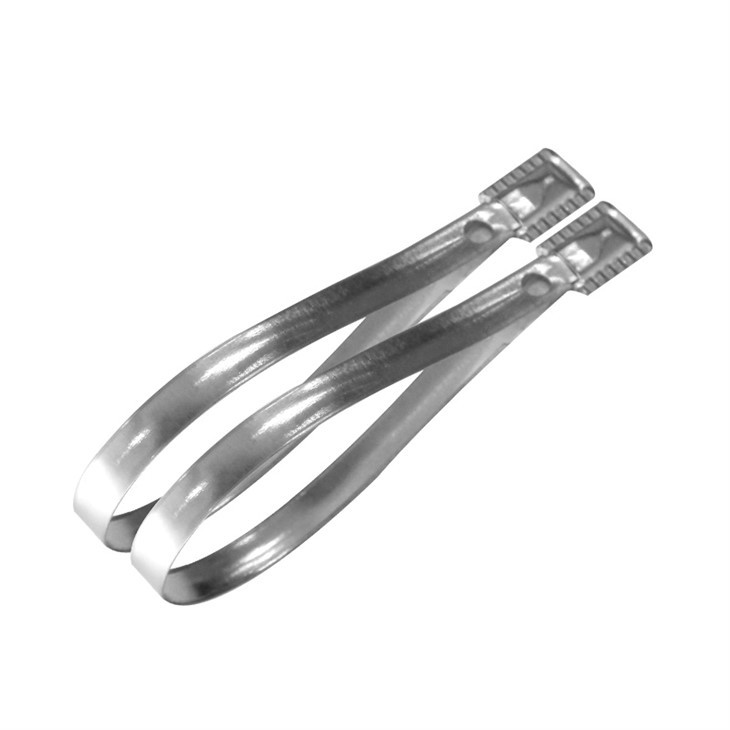
First off, let's talk about the types of metal container seals we offer. We've got the Truck Metal Seal, which is great for trucks. These seals are designed to withstand the rough and tumble of the road. They're made of high - quality metal, so they're tough and durable. Whether you're transporting goods across the country or just around the corner, a truck metal seal will give you peace of mind knowing your cargo is safe.
Then there are the Metal Trailer Seals. Trailers often carry large and valuable loads, and these seals are specifically crafted to fit trailer doors and hatches. They provide a reliable barrier against unauthorized access. The design of these seals makes them easy to install but hard to break, which is exactly what you want when you're protecting your assets.
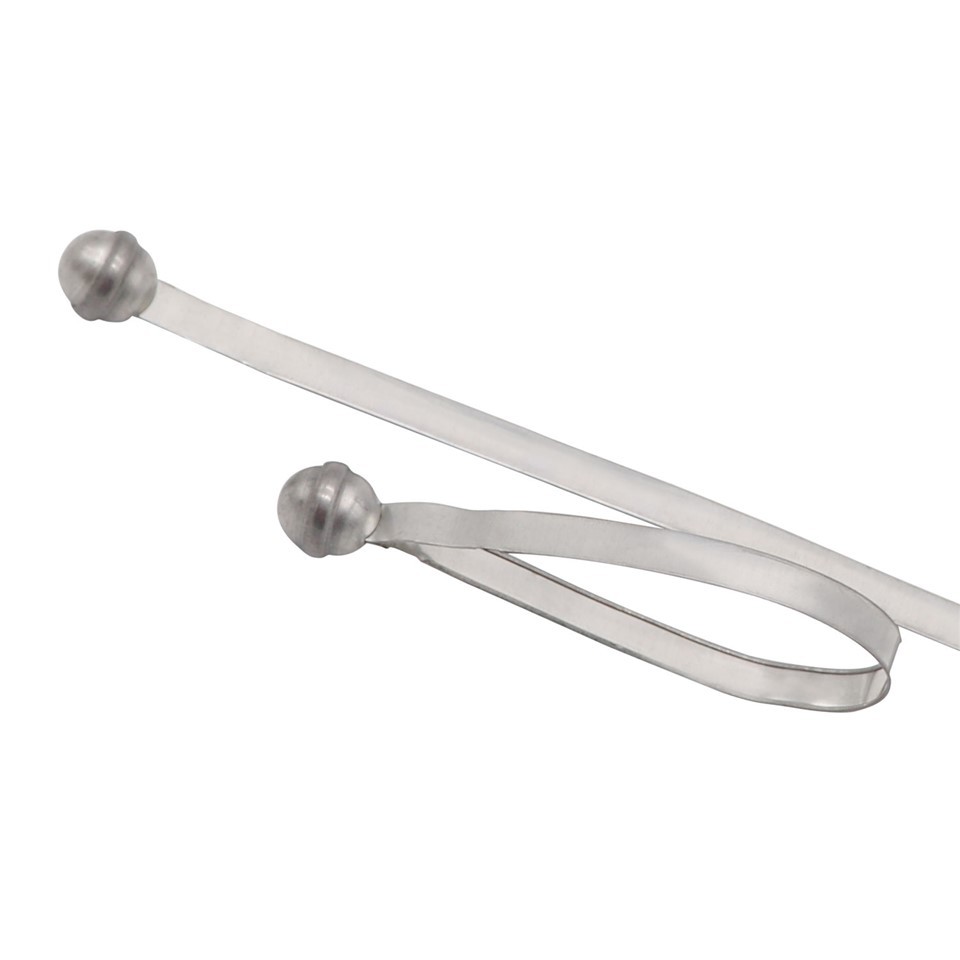
Another popular option is the Round Head Metal Strap Seal. This type of seal has a unique round - head design that offers a different level of security. It's often used in applications where a more discreet seal is required. The strap part of the seal can be adjusted to fit different container sizes, making it a versatile choice.
Now, let's get into the nitty - gritty of how to install these metal container seals.
Step 1: Prepare the Container
Before you start installing the seal, you need to make sure the container is ready. Check the container door or hatch for any dirt, debris, or damage. If there's any dirt, clean it off. A clean surface will ensure a proper fit for the seal. Also, inspect the locking mechanism. Make sure it's working correctly and that there are no loose parts. If you notice any issues with the container or the locking mechanism, it's best to fix them before proceeding with the seal installation.
Step 2: Choose the Right Seal
Based on the type of container and your security needs, pick the appropriate metal container seal. If it's a truck, go for the truck metal seal. For trailers, the metal trailer seals are the way to go. And if you need a more adaptable and discreet option, the round - head metal strap seal might be your best bet. Make sure the seal you choose is the right size for your container. You don't want a seal that's too small or too big, as it won't provide the proper security.
Step 3: Insert the Seal
Once you've got the right seal, it's time to insert it. For most metal container seals, there's a locking end and a strap end. Start by inserting the strap end through the locking mechanism of the container. This could be a hasp, a loop, or a similar device. Make sure the strap goes through smoothly and that it's not twisted.
Step 4: Tighten the Seal
After inserting the strap, pull it tight. You want the seal to be snug against the container. But be careful not to pull too hard, as you don't want to break the strap. Most metal container seals have a ratchet - like mechanism that allows you to tighten the strap and lock it in place. Keep pulling the strap until it's as tight as you can get it without causing damage.
Step 5: Lock the Seal
Once the strap is tightened, engage the locking mechanism of the seal. This could involve pushing a button, turning a key (if it's a key - locked seal), or simply allowing the ratchet to lock. Make sure the seal is fully locked and that it can't be easily opened. Give the seal a little tug to test its security. If it feels loose or if you can move it around too easily, you might need to adjust the strap and relock the seal.
Step 6: Record the Seal Number
Every metal container seal has a unique identification number. This number is important for tracking and security purposes. Use a pen or a marker to write down the seal number on a shipping document or an inventory list. You can also take a photo of the seal and the number for your records. This way, if there are any issues during transit, you can easily identify the seal and verify its integrity.
Tips for a Successful Installation
- Practice makes perfect: If you're new to installing metal container seals, it might take a few tries to get the hang of it. You can practice on an old or spare container to familiarize yourself with the process.
- Inspect the seal regularly: Even after installation, it's a good idea to check the seal periodically, especially if the container is going to be in transit for a long time. Look for any signs of tampering or damage.
- Keep spare seals on hand: In case a seal gets damaged during installation or during transit, it's always a good idea to have some spare seals available.
In conclusion, installing metal container seals is a relatively straightforward process, but it's crucial for ensuring the security of your goods. By following these steps and using the right type of seal, you can protect your cargo from unauthorized access and damage.
If you're in the market for high - quality metal container seals, we've got you covered. We offer a wide range of seals at competitive prices. Our seals are made from top - notch materials and are designed to meet the highest security standards. Whether you need seals for a one - time shipment or for regular use, we can provide the right solution for you.
If you're interested in purchasing our metal container seals or have any questions about the installation process, feel free to reach out. We're here to help you with all your security needs.
References
- General knowledge about metal container seals and their installation from industry experience.
- Product specifications and usage guidelines provided by the manufacturers of the metal container seals.