

As a trusted supplier of security meter seals, I understand the importance of proper installation to ensure the integrity and security of metering devices. In this blog post, I'll guide you through the step-by-step process of installing security meter seals, providing valuable insights and tips along the way.
Understanding the Types of Security Meter Seals
Before diving into the installation process, it's essential to familiarize yourself with the different types of security meter seals available. Some common types include Barcode Twist Meter Seal, Lead Seal, and Meter Seal Security Electric. Each type has its unique features and applications, so choosing the right seal for your specific needs is crucial.
Pre-Installation Preparation
Gather the Necessary Tools
To install security meter seals effectively, you'll need a few basic tools, including a pair of pliers, a seal applicator (if required), and a clean, dry cloth. Make sure the tools are in good condition and suitable for the type of seal you're using.
Inspect the Meter and Seal
Before installation, carefully inspect the meter and the seal for any signs of damage or tampering. Ensure that the seal is the correct size and type for the meter and that it has not been previously used. If you notice any issues, do not proceed with the installation and contact your supplier for a replacement.
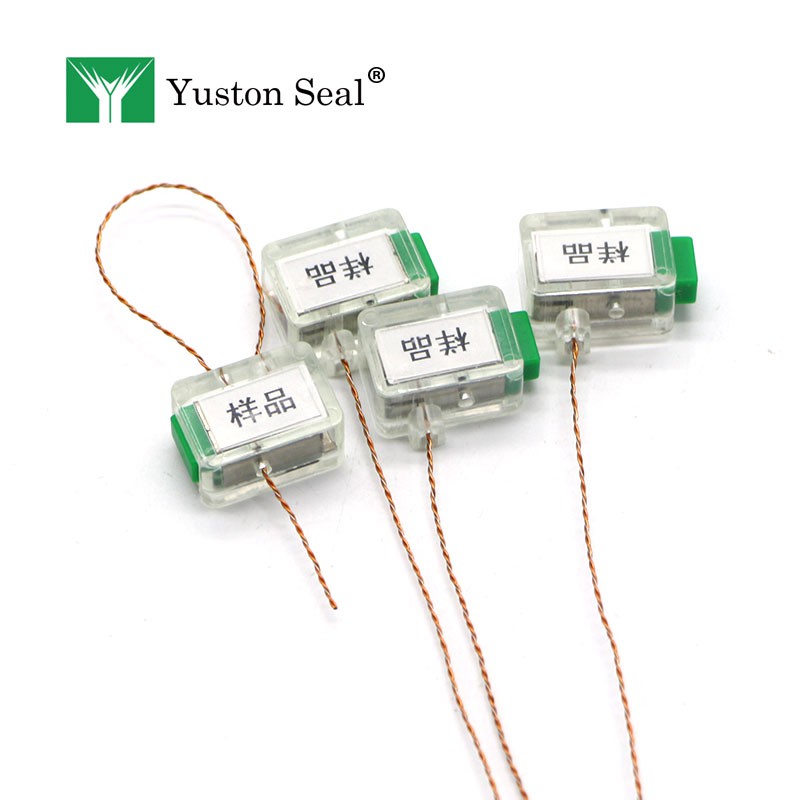
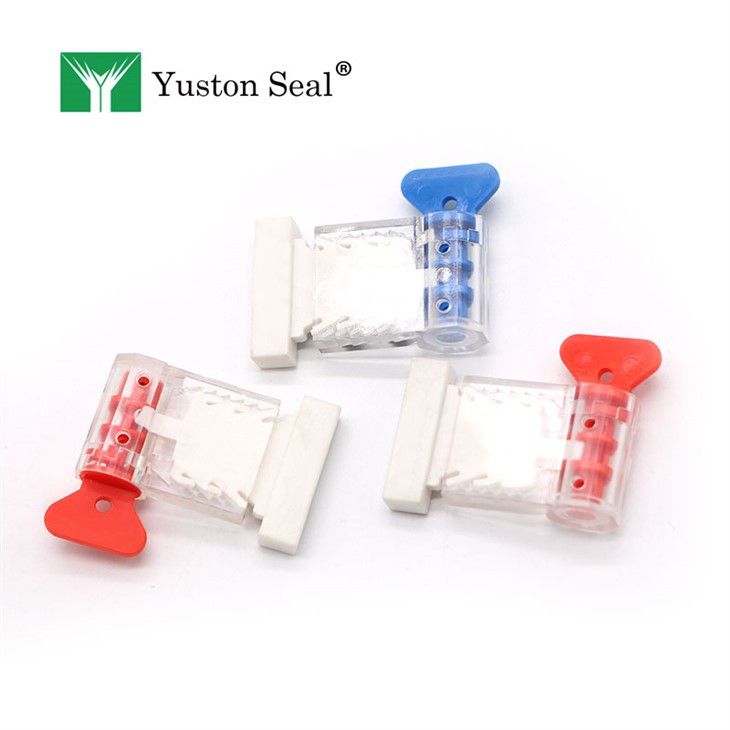
Clean the Sealing Area
Use a clean, dry cloth to wipe the sealing area on the meter to remove any dirt, dust, or debris. A clean surface will ensure a proper seal and prevent any interference with the installation process.
Installation Process
Step 1: Position the Seal
Place the security meter seal around the meter's access point or the area you want to secure. Make sure the seal is centered and aligned correctly, with the locking mechanism facing the appropriate direction.
Step 2: Secure the Seal
Depending on the type of seal, you may need to use a seal applicator or pliers to secure the seal in place. For twist seals, simply twist the seal until it locks securely. For lead seals, use pliers to crimp the seal tightly around the meter. Follow the manufacturer's instructions carefully to ensure a proper and secure installation.
Step 3: Verify the Seal
After securing the seal, visually inspect it to ensure that it is properly installed and locked. Check for any signs of damage or tampering, such as cracks, breaks, or loose parts. If the seal does not appear to be secure, remove it and start the installation process again.
Step 4: Record the Seal Information
Once the seal is installed, record the seal's unique identification number, barcode, or other relevant information. This information will be used for tracking and auditing purposes, so it's important to keep accurate records.
Post-Installation Considerations
Regular Inspections
Periodically inspect the security meter seals to ensure that they remain intact and secure. Look for any signs of tampering, such as broken seals, scratches, or unauthorized access. If you notice any issues, report them immediately and take appropriate action.
Training and Education
Provide training and education to your staff on the proper installation and maintenance of security meter seals. Ensure that they understand the importance of security and the procedures for handling and reporting any suspicious activity.
Documentation
Keep detailed records of all seal installations, inspections, and any incidents of tampering or unauthorized access. This documentation will be valuable for auditing purposes and can help you demonstrate compliance with regulatory requirements.
Troubleshooting
Seal Does Not Lock Properly
If the seal does not lock properly, check to ensure that it is the correct size and type for the meter. Make sure the sealing area is clean and free of debris. If the problem persists, contact your supplier for assistance.
Seal Is Damaged During Installation
If the seal is damaged during installation, do not use it. Remove the damaged seal and replace it with a new one. Contact your supplier for a replacement and report the issue to ensure that it does not happen again.
Seal Appears to Be Tampered With
If you suspect that a seal has been tampered with, do not attempt to remove or replace it. Instead, contact your security team or the appropriate authorities immediately. Preserve the evidence and cooperate fully with any investigations.
Conclusion
Installing security meter seals is a critical step in protecting the integrity and security of metering devices. By following the steps outlined in this blog post and taking the necessary precautions, you can ensure that your meters are properly sealed and protected against tampering and unauthorized access.
If you have any questions or need further assistance with the installation of security meter seals, please don't hesitate to contact us. As a leading supplier of security meter seals, we have the expertise and experience to help you find the right solution for your needs. We look forward to working with you to ensure the security and reliability of your metering systems.
References
- Manufacturer's installation instructions for security meter seals
- Industry standards and best practices for meter seal installation and maintenance