

Stainless steel ties are versatile and durable fastening solutions widely used in various industries, from construction and automotive to electrical and marine applications. As a supplier of high-quality stainless steel ties, I understand the importance of proper storage to maintain their integrity and performance. In this blog post, I'll share some valuable tips on how to store stainless steel ties properly to ensure they remain in optimal condition for as long as possible.
Understanding the Properties of Stainless Steel Ties
Before delving into storage methods, it's essential to understand the properties of stainless steel ties. Stainless steel is a corrosion-resistant alloy composed primarily of iron, chromium, and other elements. This corrosion resistance makes stainless steel ties suitable for use in harsh environments where exposure to moisture, chemicals, and extreme temperatures is common.
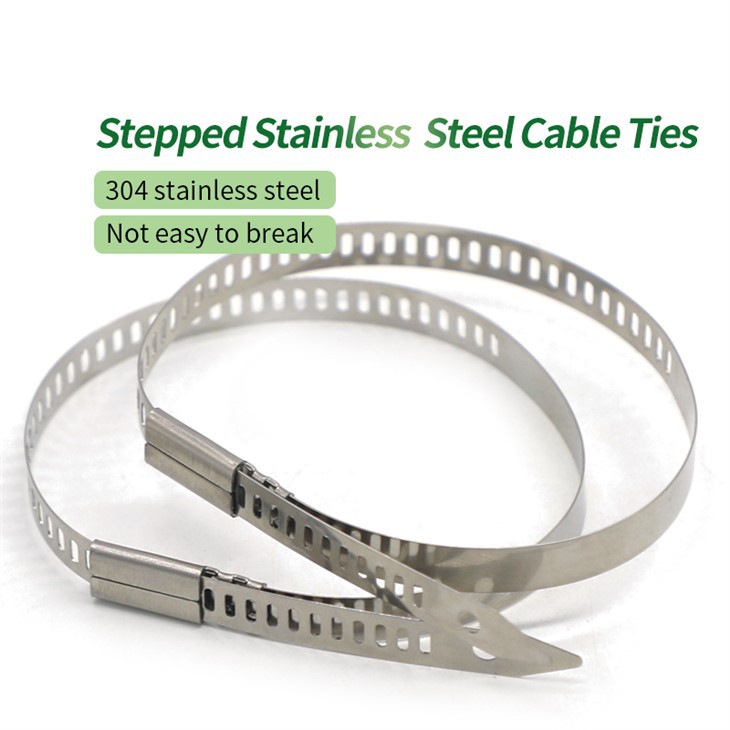
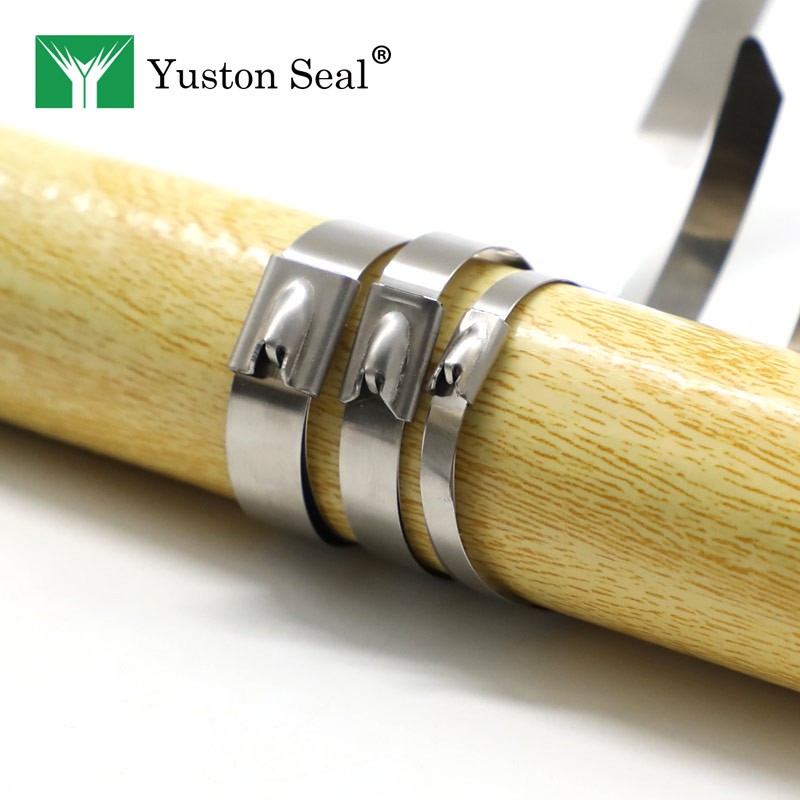
However, despite their resistance to corrosion, stainless steel ties can still be susceptible to damage if not stored correctly. Factors such as humidity, exposure to certain chemicals, and physical damage can all affect the performance and longevity of stainless steel ties.
Choosing the Right Storage Environment
The first step in proper storage is selecting the right environment for your stainless steel ties. Here are some key considerations:
Temperature and Humidity
Stainless steel ties should be stored in a cool, dry place with a stable temperature and humidity level. High humidity can lead to the formation of rust and corrosion on the surface of the ties, while extreme temperature fluctuations can cause the ties to expand and contract, potentially leading to damage.
Ideally, the storage area should have a temperature between 50°F and 80°F (10°C and 27°C) and a relative humidity level below 60%. If possible, use a dehumidifier to control the humidity in the storage area, especially in areas with high humidity or during the rainy season.
Ventilation
Proper ventilation is crucial to prevent the buildup of moisture and condensation in the storage area. Ensure that the storage area is well-ventilated to allow air to circulate freely around the ties. This can help to reduce the risk of corrosion and keep the ties dry.
Protection from Chemicals and Contaminants
Stainless steel ties should be stored away from chemicals, solvents, and other contaminants that can damage the surface of the ties. Avoid storing the ties near sources of acids, alkalis, or other corrosive substances. If the ties come into contact with chemicals, they should be cleaned immediately with a mild detergent and water to prevent corrosion.
Organizing and Storing Stainless Steel Ties
Once you have selected the right storage environment, the next step is to organize and store the stainless steel ties properly. Here are some tips:
Use Appropriate Containers
Stainless steel ties should be stored in containers that provide adequate protection from physical damage and environmental factors. Plastic bins, cardboard boxes, or metal storage cabinets are all suitable options for storing stainless steel ties. Make sure the containers are clean, dry, and have tight-fitting lids to prevent dust, dirt, and moisture from entering.
Separate Different Sizes and Types
To make it easier to find the ties you need and to prevent damage, it's a good idea to separate different sizes and types of stainless steel ties. You can use dividers or compartments within the storage containers to keep the ties organized. Label the containers clearly with the size, type, and quantity of the ties to make it easier to identify them.
Stacking and Handling
When stacking the containers, make sure they are stable and secure to prevent them from falling or tipping over. Avoid stacking the containers too high, as this can increase the risk of damage to the ties. When handling the ties, use appropriate tools and equipment to avoid scratching or bending them.
Protecting Stainless Steel Ties During Storage
In addition to choosing the right storage environment and organizing the ties properly, there are some additional steps you can take to protect the ties during storage:
Coating and Lubrication
Applying a protective coating or lubricant to the surface of the stainless steel ties can help to prevent corrosion and reduce friction. There are various types of coatings and lubricants available, such as oil-based, wax-based, or silicone-based products. Choose a coating or lubricant that is suitable for stainless steel and follow the manufacturer's instructions for application.
Inspection and Maintenance
Regularly inspect the stainless steel ties during storage to check for any signs of damage or corrosion. If you notice any rust, discoloration, or other signs of damage, remove the affected ties from the storage area and clean or replace them as necessary. It's also a good idea to perform maintenance on the storage area, such as cleaning the containers and checking the ventilation system, to ensure that it remains in good condition.
Conclusion
Proper storage of stainless steel ties is essential to maintain their integrity and performance. By choosing the right storage environment, organizing the ties properly, and taking additional steps to protect them during storage, you can ensure that your stainless steel ties remain in optimal condition for as long as possible.
As a supplier of Stainless Steel Cable Ties, Stainless Steel Cable Wire Ties, and Stainless Steel Locking Wire Ties, we are committed to providing our customers with high-quality products and excellent service. If you have any questions or need further information about storing stainless steel ties, please don't hesitate to contact us. We would be happy to help you with your procurement needs and provide you with the best solutions for your projects.
References
- "Stainless Steel: Properties, Processing, and Applications" by ASM International
- "Corrosion Prevention and Control in the Oil and Gas Industry" by NACE International
- "Storage and Handling of Metals" by The Fabricators & Manufacturers Association, International