

Hey there! As a bolt seal supplier, I've seen firsthand how crucial it is to ensure the quality of these little but mighty security devices. In this blog, I'm gonna share with you some practical ways to test the quality of a bolt seal.
Physical Inspection
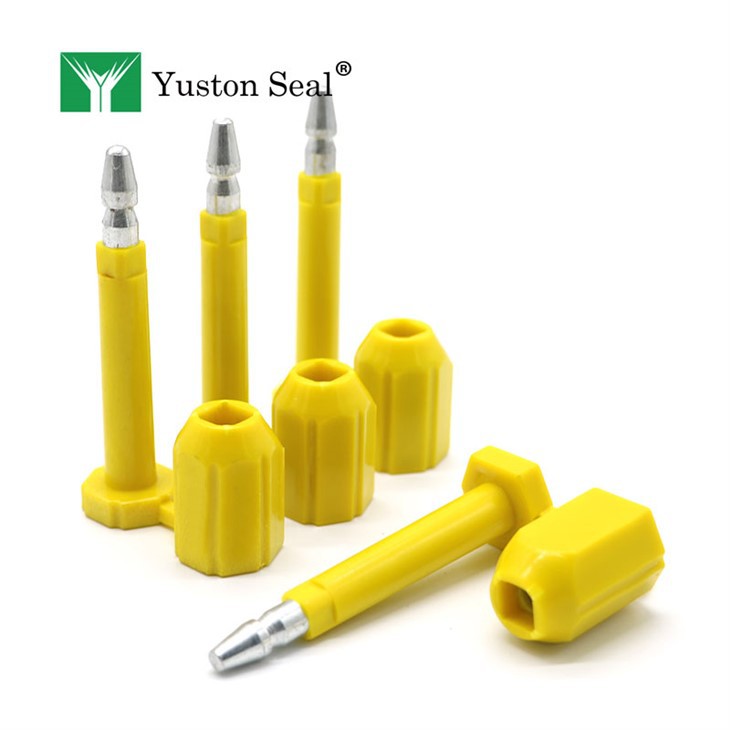
The first step in testing a bolt seal is a good old - fashioned physical inspection. When you get a batch of bolt seals, take a close look at them. Check the overall appearance. The seal should have a smooth finish without any obvious cracks, scratches, or dents. A damaged surface can not only affect the seal's aesthetic but also its functionality.
Examine the locking mechanism. For a High Security Bolt Seal, the bolt should slide smoothly into the locking part. There should be no signs of misalignment or sticking. If the bolt doesn't fit properly, it won't provide a secure lock, and that's a big no - no.
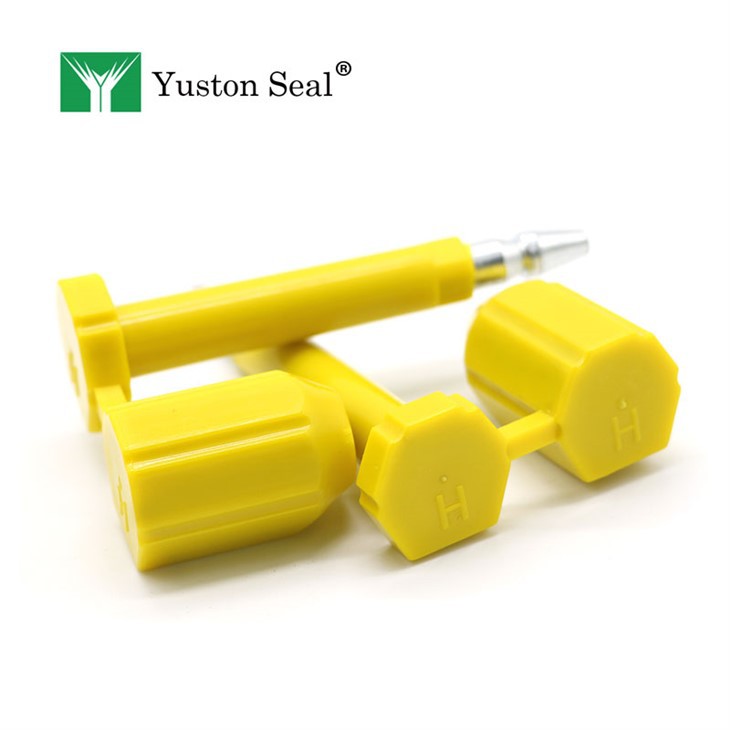
Also, look at the markings on the seal. The serial numbers, logos, or other identifying marks should be clear and well - engraved. Faded or smudged markings can lead to difficulties in tracking and identification, which is a key aspect of using bolt seals in security applications.
Tensile Strength Testing
One of the most important factors in a bolt seal's quality is its tensile strength. Tensile strength refers to the maximum amount of pulling force a seal can withstand before it breaks.
To test the tensile strength, you can use a simple setup. Attach one end of the bolt seal to a fixed point, like a strong hook on a wall. Then, gradually apply a pulling force to the other end. You can use weights or a tension - testing machine for more accurate results.
For a High Security Truck Seals, it should be able to withstand a significant amount of pulling force. A good quality seal should not break under normal handling and transportation conditions. If the seal breaks easily during the test, it means it may not be able to protect your goods from unauthorized access.
Corrosion Resistance Testing
Bolt seals are often used in various environments, including outdoor and marine settings. So, they need to be resistant to corrosion.
To test the corrosion resistance, you can create a simple salt - spray test. Take a small container and fill it with a saltwater solution (about 5% salt in water). Hang the bolt seal inside the container so that it's partially submerged in the solution. Leave it for a certain period, say 24 - 48 hours.
After the test, take out the seal and dry it. Check for any signs of rust or corrosion. A high - quality Metal Bullet Container Seal should show minimal or no signs of corrosion. If there are visible rust spots, it means the seal may not be suitable for long - term use in harsh environments.
Locking and Unlocking Testing
The locking and unlocking process of a bolt seal is another critical aspect of its quality. A good seal should lock easily and securely, and it should be difficult to unlock without the proper tools.
To test the locking, insert the bolt into the locking mechanism and give it a gentle tug. It should hold firmly in place. Then, try to unlock it using the provided key or unlocking tool. The unlocking process should be smooth but not too easy. If the seal can be easily unlocked without the right tool, it's a sign of poor quality.
Compatibility Testing
If you're using bolt seals in a specific application, like on a container or a truck door, it's important to test their compatibility.
Make sure the size and shape of the bolt seal fit the locking points on your equipment. For example, if you're using a bolt seal on a container door, the seal should be able to pass through the hasp and lock securely. If the seal is too big or too small, it won't work properly, and it may not provide the necessary security.
Testing in Real - World Conditions
Finally, the best way to test the quality of a bolt seal is to use it in real - world conditions. Install a few seals on your equipment and monitor them over a period of time.
See how they hold up during normal use, transportation, and storage. Check for any signs of wear and tear, such as loose bolts or damaged locking mechanisms. Real - world testing can give you a better understanding of the seal's durability and reliability.
Conclusion
Testing the quality of a bolt seal is essential to ensure the security of your goods and equipment. By performing physical inspections, tensile strength tests, corrosion resistance tests, locking and unlocking tests, compatibility tests, and real - world testing, you can make sure you're getting high - quality bolt seals.
As a bolt seal supplier, I'm always committed to providing the best products to my customers. If you're in the market for high - quality bolt seals, I'd love to have a chat with you. Whether you need High Security Truck Seals, High Security Bolt Seal, or Metal Bullet Container Seal, I can offer you a wide range of options. Contact me to start the procurement discussion and find the perfect bolt seals for your needs.
References
- ASTM International standards on fasteners and seals
- Industry best practices for security seal testing