

Verifying the authenticity of cable seals is crucial for businesses and organizations that rely on them to secure their assets, products, and information. As a reputable cable seal supplier, we understand the significance of providing reliable and genuine products. This blog post will explore various methods to verify the authenticity of cable seals, ensuring that you receive the highest quality and secure seals for your needs.
Physical Inspection
One of the initial steps in verifying the authenticity of cable seals is a thorough physical inspection. Genuine cable seals are typically made of high - quality materials, and any signs of poor craftsmanship can indicate a counterfeit.
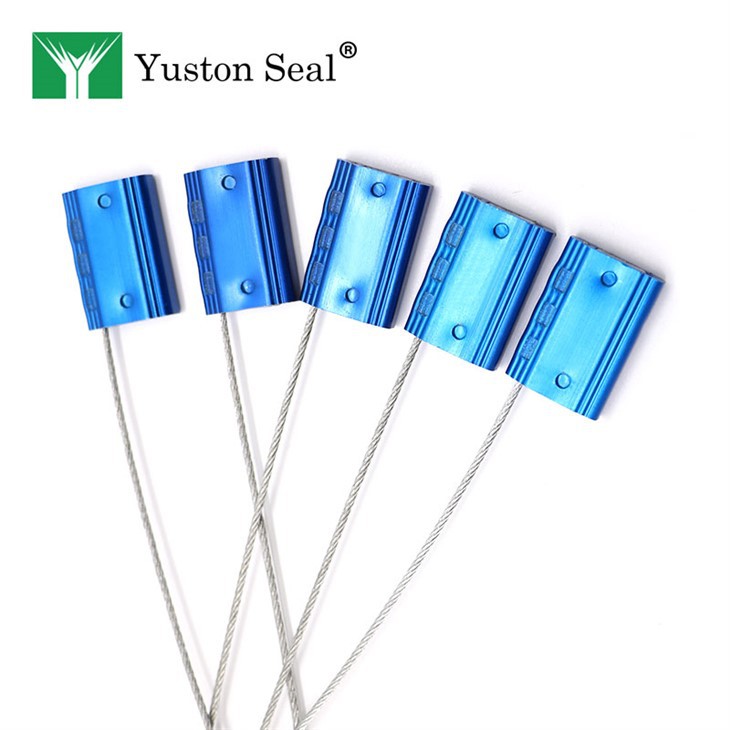
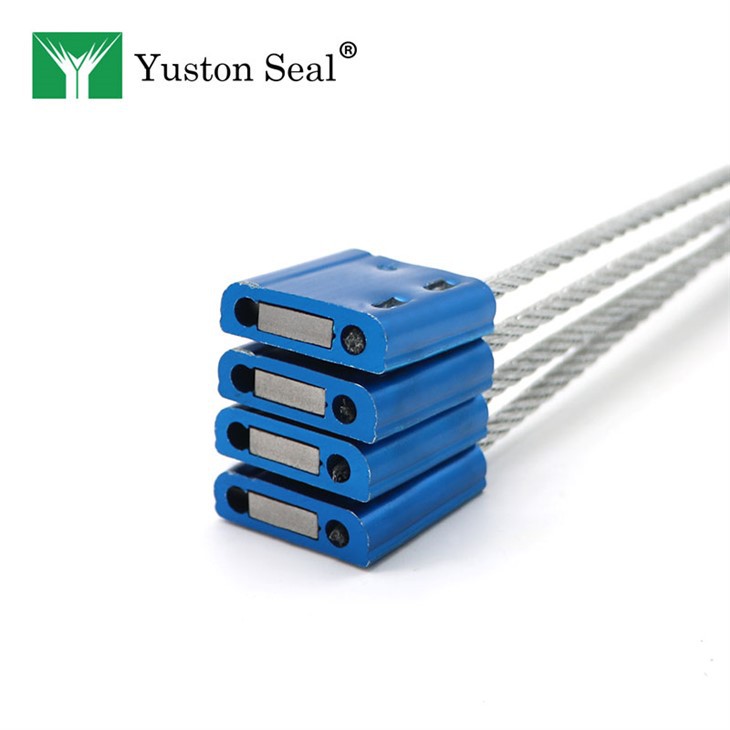
When examining the body of the seal, check for smooth finishes. Authentic Onetime Metal Cable Seals have a consistent and well - machined surface. Look for rough edges, uneven seams, or visible casting defects. A counterfeit seal may have a rough texture, which is not only an indication of low - quality production but also might compromise the seal's integrity.
The cable of the seal also provides valuable clues. For Wire Cable Seals, the wire should be of uniform thickness and have a proper coating. A frayed or irregularly thick cable is often a sign of a non - authentic product. The connection between the cable and the locking mechanism should be strong and firmly attached. In a genuine seal, the cable should fit snugly into the locking part, without any gaps or looseness.
Authentication Markings
Authentic cable seals usually carry specific authentication markings. These markings can be in the form of logos, serial numbers, or barcodes. Our Metal Cable Seals are engraved or printed with unique identifiers.
The logo should be clearly visible and accurately reproduced. Faded, blurry, or misspelled logos are red flags for counterfeit products. The serial number is an important feature as it can be used to track the seal's origin and authenticity. You can contact the supplier to verify if the serial number is valid and if it corresponds to the product you have received.
Barcodes on cable seals can also be scanned to obtain information about the product. Use a reliable barcode scanner and check if the scanned information matches the details provided by the supplier. If the barcode does not scan or gives incorrect information, it is likely that the seal is not genuine.
Testing the Locking Mechanism
The locking mechanism of a cable seal is a critical component. A genuine seal will have a smooth and reliable locking mechanism. To test it, carefully insert the cable into the locking part. The seal should lock securely with a distinct click.
If the locking mechanism is too loose and the cable can be easily pulled out or if it is extremely difficult to insert the cable, it may be a sign of a counterfeit. Authentic seals are designed to provide a secure and tamper - evident lock. Try to apply a reasonable amount of force to the locked cable to see if it holds. A genuine cable seal should withstand normal handling and minor stress without breaking or unlocking.
Supplier Reputation
The reputation of the supplier plays a significant role in ensuring the authenticity of cable seals. As a well - established cable seal supplier, we have built a reputation for providing high - quality and genuine products.
Research the supplier before making a purchase. Look for customer reviews and testimonials. A reliable supplier will have positive feedback from satisfied customers. Check if the supplier is registered and compliant with relevant industry standards. Reputable suppliers are more likely to adhere to strict quality control measures and provide genuine products.
You can also ask for certifications and documentation from the supplier. These documents can prove that the cable seals meet the required quality and safety standards. For example, ISO certifications indicate that the supplier follows international quality management systems.
Comparison with Known Genuine Samples
If you have access to a known genuine cable seal, compare the suspect seal with it. Look at the size, shape, color, and overall appearance. Even the smallest differences can be an indication of a counterfeit.
Examine the details such as the font used for markings, the depth of engravings, and the color consistency. A genuine seal will have a consistent and professional look. If the suspect seal has variations in these aspects compared to the known genuine sample, it is likely not authentic.
Chemical and Material Analysis
In some cases, chemical and material analysis can be used to verify the authenticity of cable seals. This method is more advanced and may require the use of specialized equipment and expertise.
For example, if the seal is made of metal, a spectrographic analysis can determine the composition of the metal. Authentic metal cable seals are made of specific alloys, and any deviation in the metal composition can indicate a counterfeit.
For plastic - based cable seals, a Fourier - transform infrared spectroscopy (FTIR) analysis can identify the type of plastic used. Genuine seals are made of high - quality plastics that meet certain standards. If the analysis shows the presence of low - quality or incorrect plastics, the seal is likely not genuine.
Tamper - Evidence Features
Authentic cable seals are designed with tamper - evidence features. These features are essential for detecting any unauthorized access or tampering.
Look for features such as break - away tabs, unique locking mechanisms that show signs of forced entry, or visible indicators of tampering. If a seal claims to have tamper - evidence features but these are not visible or do not function as described, it may be a counterfeit.
Contacting the Manufacturer
If you are still unsure about the authenticity of a cable seal, you can contact the manufacturer directly. Provide them with the details of the seal, such as the serial number, markings, and any other relevant information.
The manufacturer has the expertise and records to verify the product. They can tell you if the seal is genuine and provide additional support if needed. As a cable seal supplier, we encourage our customers to reach out to us if they have any doubts about the authenticity of the seals they receive.
Conclusion
Verifying the authenticity of cable seals is a multi - step process that involves physical inspection, checking authentication markings, testing the locking mechanism, considering the supplier's reputation, and using advanced analysis methods if necessary. By following these steps, you can ensure that you are using genuine and reliable cable seals for your security needs.
As a trusted cable seal supplier, we are committed to providing high - quality and authentic products. If you are in the market for cable seals and want to ensure their authenticity, we invite you to contact us for a detailed discussion about your requirements and to explore our wide range of products. Our team of experts is ready to assist you in making the right choice for your business.
References
- ASTM International. (20XX). Standards related to cable seal materials and performance.
- ISO 9001:20XX. Quality management systems - Requirements.