

Well, as a lead seal supplier, I've been in this business for quite a while, and I've seen firsthand the ins and outs of lead seals. While lead seals are commonly used for their supposed security and tamper - evident features, they do come with a fair share of limitations. Let's dive right into it.
Vulnerability to Physical Tampering
One of the most significant limitations of lead seals is their susceptibility to physical tampering. You see, lead is a relatively soft metal. It's easy for someone with basic tools, like pliers or a small hammer, to manipulate a lead seal without leaving what might be an obvious external sign at a quick glance. For example, a determined person can carefully squeeze or reshape the lead seal while trying to access the contents they're guarding.
And if the seal has been on a container for a long time, it might have become a bit brittle. In such cases, it can break during normal handling, giving a false indication of tampering. I've had customers come to me complaining that they had a shipment where the lead seal was broken, but there was no evidence that the container was actually opened maliciously. This kind of false alarm can cause a lot of headaches in the supply chain.
Limited Durability
Let's talk about durability. Lead seals aren't the most long - lasting option out there. When exposed to harsh environmental conditions, especially ones with high humidity or corrosive substances, lead can corrode over time. Imagine a lead seal on a shipping container that's been left out in the rain for weeks. The lead will start to oxidize, and the integrity of the seal will be compromised.
This corrosion can also make the seal look damaged, even if it hasn't been tampered with. So, you end up with a situation where you can't be sure if the appearance of the seal is due to normal wear and tear or actual tampering.
Difficulty in Identification
Identifying individual lead seals can be a real pain. Usually, lead seals have simple markings, like a serial number or a logo. These markings are not always very clear, especially if the seal has been scratched or the paint has worn off. If you're running a large - scale operation, trying to keep track of thousands of lead seals using these faded or hard - to - read markings is a nightmare.
There's also the issue of counterfeiting. Since lead seals are relatively simple in design, it's not too difficult for someone with some basic metal - working skills to create a fake lead seal with similar markings. This means that relying solely on the markings on lead seals for security isn't a fool - proof method.
Lack of Advanced Tracking Features
In today's digital age, where we have so many high - tech solutions available, lead seals are stuck in the past when it comes to tracking. Once you put a lead seal on a container, there's no easy way to monitor its status in real - time. You can't tell if the seal has been tampered with unless someone physically inspects it.
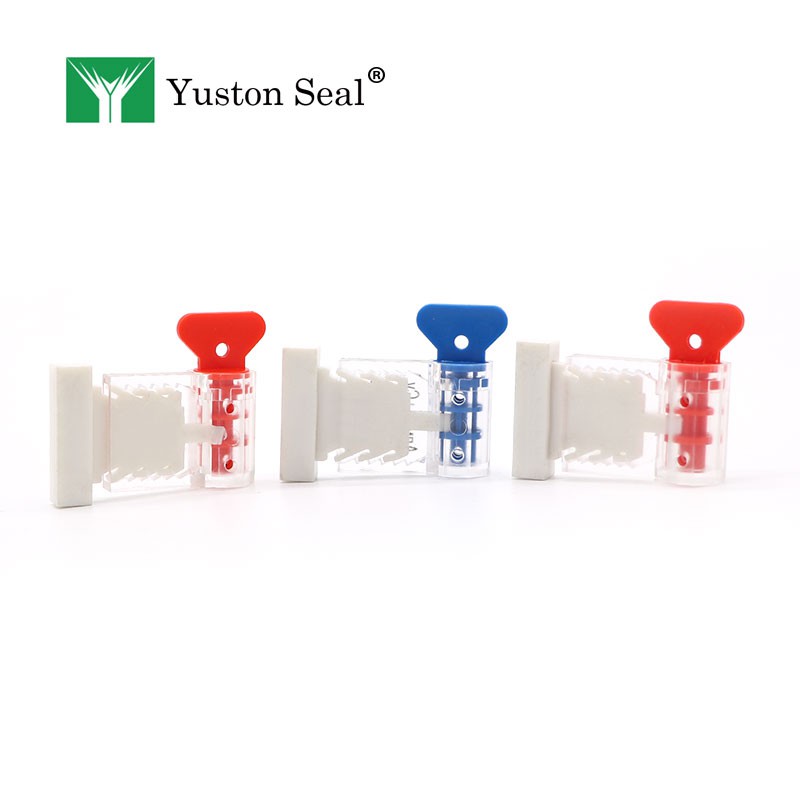
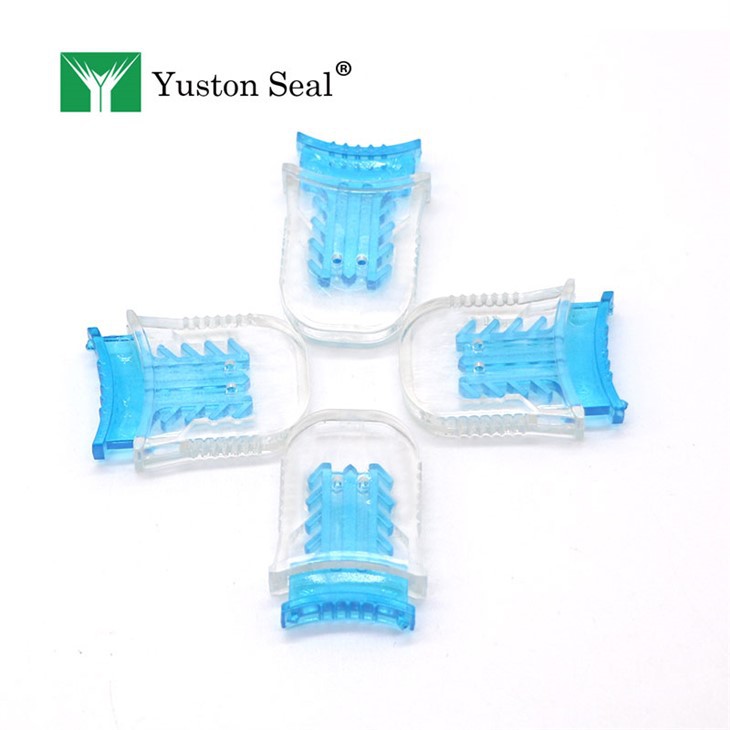
Compare this to some of the modern seals we see on the market. For example, Tamper Proof Meter Seals can have advanced sensors that can send an alert as soon as there's any sign of tampering. With lead seals, you're left in the dark until you actually check the seal.
Environmental Concerns
Lead is a toxic metal, and its use in seals raises some serious environmental concerns. When lead seals are discarded, they can leach into the soil and water, posing a threat to the environment and human health. As more and more companies are becoming environmentally conscious, the use of lead seals might not be a sustainable option in the long run.
Incompatibility with Some Applications
There are certain industries where lead seals just don't cut it. For instance, in the food and pharmaceutical industries, where strict hygiene and safety standards are in place, the use of lead seals is a big no - no. The risk of lead contamination is too high, and these industries require more advanced and safe sealing solutions.
Even in the electronics industry, where precision and protection from static electricity are crucial, lead seals don't offer the level of security and functionality needed. Instead, they might opt for Barcode Twist Meter Seal which can provide better identification and security features.
Cost - Benefit Analysis
When you look at the cost - benefit ratio of lead seals, it's not always in their favor. Sure, lead seals are relatively inexpensive to produce, but when you consider all the limitations we've discussed - the potential for false alarms, the need for frequent inspections, and the environmental impact - the overall cost can add up.
For larger operations, investing in more advanced sealing solutions like Meter Seal Security Electric might actually be more cost - effective in the long run. These advanced seals can reduce the risk of tampering, provide real - time monitoring, and offer better identification features.
Conclusion and Call to Action
So, as you can see, while lead seals have been around for a long time and have been used in many applications, they do have some significant limitations. But don't worry, as a lead seal supplier, I'm not here to just point out the problems. I'm also here to offer solutions.
If you're currently using lead seals and are facing some of the issues I've mentioned, it might be time to consider upgrading to more advanced sealing solutions. Whether it's for better security, easier identification, or environmental reasons, there are plenty of options available in the market.
If you're interested in learning more about the different types of seals we offer or want to discuss your specific needs, feel free to reach out. We can have a detailed conversation about how we can help you find the best sealing solution for your business. Let's work together to ensure the security and integrity of your products and shipments!
References
- General knowledge from years of experience in the lead seal supply business
- Industry reports on the use and limitations of traditional sealing methods