

A cable seal is a crucial device used in various industries to secure containers, trucks, and other valuable assets during transportation. As a leading cable seal supplier, I've had the privilege of working with a wide range of cable seals, each with its unique appearance and functionality. In this blog post, I'll explore the appearance of a typical cable seal, shedding light on its components, materials, and design features.
Components of a Cable Seal
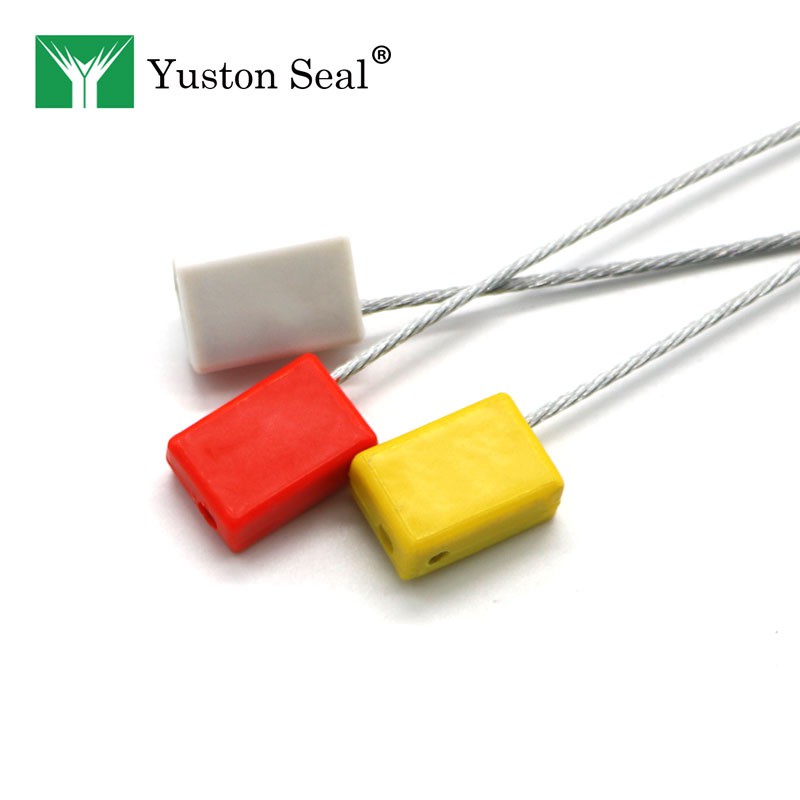
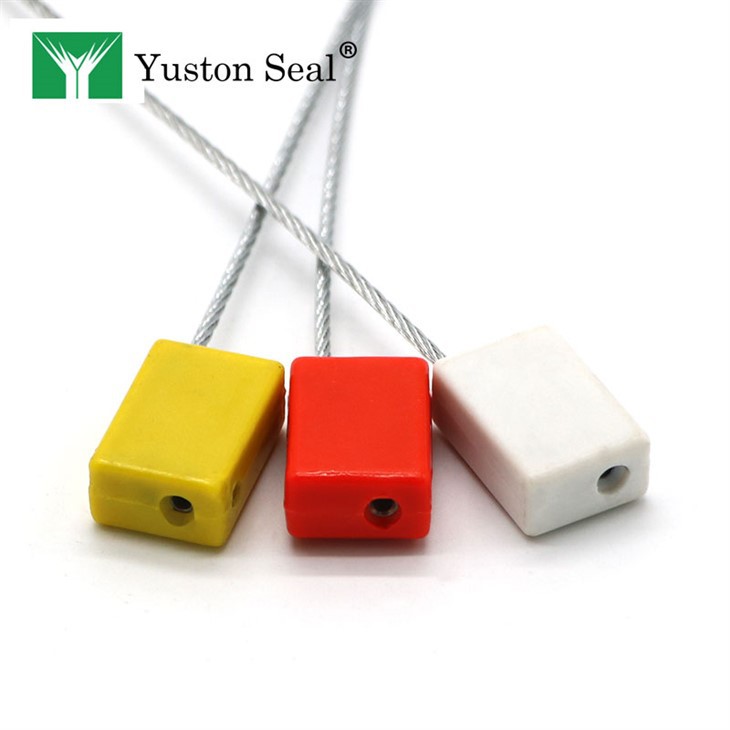
A typical cable seal consists of two main components: the locking mechanism and the cable. The locking mechanism is the part of the seal that prevents the cable from being pulled out once it's inserted. It's usually made of a durable material such as plastic or metal and is designed to be tamper-evident. The cable, on the other hand, is the flexible part of the seal that wraps around the object being secured. It can be made of various materials, including steel, stainless steel, and plastic, depending on the application.
The locking mechanism often has a housing that encloses the internal components. This housing is typically designed to be resistant to environmental factors such as moisture, dust, and UV radiation. It may also have a smooth surface to prevent damage to the cable during installation. Inside the housing, there are usually teeth or a locking mechanism that grips the cable tightly, ensuring that it cannot be removed without breaking the seal.
The cable itself is another critical component. It comes in different lengths and thicknesses to accommodate various applications. For example, in applications where a high level of security is required, a thicker and stronger cable may be used. The cable may also have markings or serial numbers for identification purposes. These markings can be used to track the seal throughout its lifecycle and to verify its authenticity.
Materials Used in Cable Seals
The materials used in cable seals play a significant role in determining their appearance and performance. Plastic cable seals are lightweight, cost - effective, and easy to install. They are commonly used in applications where a lower level of security is required, such as in the transportation of consumer goods. Plastic seals can come in a variety of colors, making them easy to distinguish for different purposes or to match the branding of a company.
Steel Cable Seal are known for their strength and durability. They are often used in high - security applications, such as in the transportation of valuable goods or in areas where there is a high risk of tampering. Steel cable seals have a more rugged appearance compared to plastic seals. They may have a shiny or matte finish, depending on the manufacturing process. The steel cable is usually coated to prevent rust and corrosion, which can affect the performance of the seal over time.
Stainless Steel Cable Seals offer the highest level of corrosion resistance. They are ideal for use in harsh environments, such as in marine or chemical industries. Stainless steel cable seals have a sleek and modern appearance. The stainless steel material gives them a clean and professional look, making them suitable for applications where aesthetics also matter.
Design Features
One of the key design features of a typical cable seal is its tamper - evident design. This means that any attempt to remove or tamper with the seal will be clearly visible. For example, some cable seals have a break - away tab or a frangible section that will break if the seal is tampered with. This provides a clear indication that the seal has been compromised.
Another important design feature is the ease of installation. Most cable seals are designed to be installed quickly and easily without the need for special tools. This is especially important in industries where time is of the essence, such as in the logistics and transportation sectors. The locking mechanism is often designed to be intuitive, allowing even inexperienced users to install the seal correctly.
Some cable seals also have additional features for enhanced security. For example, they may have a double - locking mechanism or a unique keying system. These features make it even more difficult for unauthorized individuals to remove the seal without detection.
Appearance Variations Based on Application
The appearance of a cable seal can vary significantly based on its application. Truck Cable Seals are designed to withstand the rigors of transportation. They are usually larger and more robust compared to seals used in other applications. Truck cable seals may have a heavy - duty locking mechanism and a thick cable to ensure that they can secure large cargo doors or containers. They may also be brightly colored for easy visibility, especially in low - light conditions.
In the pharmaceutical or food industries, cable seals need to meet strict hygiene and safety standards. These seals are often made of materials that are non - toxic and easy to clean. They may have a smooth and clean appearance to prevent the accumulation of dirt and bacteria.
In the electronics industry, cable seals are used to secure sensitive equipment during shipping. These seals are often designed to be small and unobtrusive, so they don't interfere with the operation of the equipment. They may have a minimalist design and a discreet appearance.
Importance of Appearance in Cable Seals
The appearance of a cable seal is not just about aesthetics; it also has practical implications. A well - designed and visually appealing cable seal can enhance the brand image of a company. For example, a company that uses high - quality, professionally - looking cable seals gives the impression of being reliable and security - conscious.
The appearance can also affect the ease of identification. Brightly colored or uniquely marked cable seals can be easily distinguished from other seals, making it easier for workers to identify the correct seal for a particular application. This can reduce errors and improve efficiency in the workplace.
Contact for Purchase and Collaboration
If you're in the market for high - quality cable seals, we're here to help. Our extensive range of cable seals, including plastic, steel, and stainless steel options, can meet your diverse needs. Whether you're in the transportation, logistics, pharmaceutical, or any other industry, we have the right seal for you.
We understand that each customer has unique requirements, and we're committed to providing customized solutions. Our team of experts can work with you to determine the best cable seal for your specific application, taking into account factors such as security level, environmental conditions, and budget.
Don't hesitate to reach out to us to discuss your cable seal needs. We're eager to start a conversation and look forward to collaborating with you on your next project.
References
- "Handbook of Transportation Security" - This book provides in - depth information on the use of security devices in transportation, including cable seals.
- Industry standards and guidelines from relevant organizations such as the International Organization for Standardization (ISO) which outline the requirements for cable seal performance and design.