

As a seasoned supplier of padlock seals, I've witnessed firsthand the evolving needs of industries that rely on these crucial security devices. One of the most common questions I encounter is about the difference between a cable padlock seal and a regular padlock seal. In this blog, I'll delve into the unique features, applications, and advantages of each type to help you make an informed decision for your security requirements.
Understanding Padlock Seals
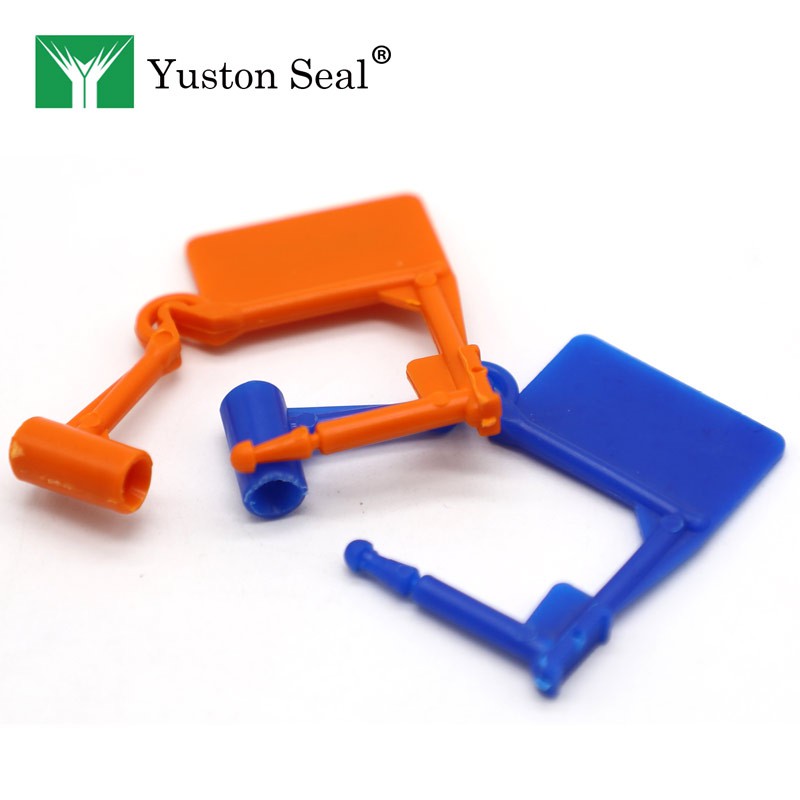
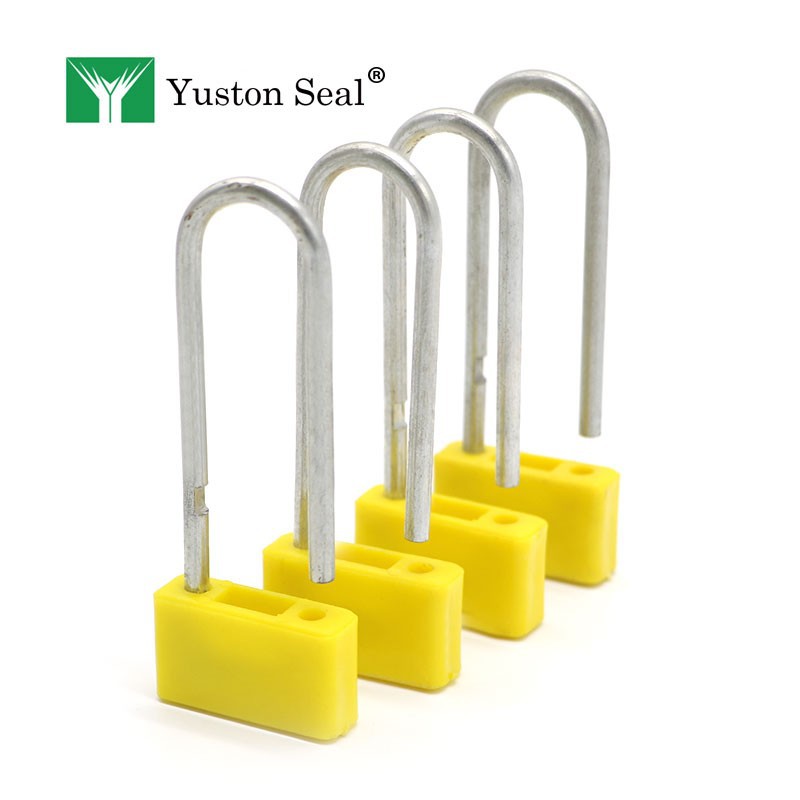
Before we dive into the differences, let's briefly understand what padlock seals are. Padlock seals are security devices used to secure containers, cabinets, doors, and other access points. They provide a visible indication of tampering, ensuring the integrity of the contents or area being protected. At our company, we offer a wide range of padlock seals, including Plastic Padlock Security Seals, Disposable Padlock Seal, and Padlock Security Seals, each designed to meet specific security needs.
Regular Padlock Seals
Regular padlock seals, also known as traditional padlock seals, are the most common type of padlock seals. They typically consist of a metal or plastic body with a locking mechanism that secures the seal in place. Once locked, the seal cannot be opened without breaking it, providing a clear indication of tampering.
Features
- Durable Construction: Regular padlock seals are made from high-quality materials such as steel, brass, or plastic, ensuring long-lasting durability and resistance to wear and tear.
- Variety of Sizes and Styles: They come in a wide range of sizes and styles to accommodate different applications and security requirements. Some common styles include bolt seals, wire seals, and plastic seals.
- Customizable: Many regular padlock seals can be customized with unique serial numbers, barcodes, or logos, providing an additional layer of security and traceability.
Applications
- Shipping and Logistics: Regular padlock seals are widely used in the shipping and logistics industry to secure containers, trucks, and trailers. They help prevent unauthorized access to goods during transit and provide evidence of tampering in case of theft or damage.
- Warehousing and Storage: In warehouses and storage facilities, regular padlock seals are used to secure storage units, cabinets, and doors. They help protect valuable inventory and equipment from theft and unauthorized access.
- Industrial and Manufacturing: Regular padlock seals are also used in industrial and manufacturing settings to secure machinery, equipment, and control panels. They help prevent unauthorized operation and ensure the safety of workers.
Advantages
- High Security: Regular padlock seals provide a high level of security, as they are designed to be tamper-evident and difficult to break. Once locked, the seal cannot be opened without leaving visible signs of tampering.
- Cost-Effective: They are generally more cost-effective than cable padlock seals, making them a popular choice for applications where cost is a major consideration.
- Easy to Use: Regular padlock seals are easy to install and remove, requiring no special tools or training. They can be quickly locked and unlocked, making them ideal for applications where frequent access is required.
Cable Padlock Seals
Cable padlock seals, on the other hand, are a relatively new type of padlock seals that offer several unique advantages over regular padlock seals. They consist of a flexible cable made of steel or nylon, which is attached to a locking mechanism. The cable can be threaded through objects or openings, and then locked in place, providing a secure seal.
Features
- Flexible Design: Cable padlock seals are highly flexible, allowing them to be used in a variety of applications where regular padlock seals may not be suitable. They can be easily threaded through small openings or around irregular-shaped objects, providing a secure seal.
- Long Cable Length: The cable on cable padlock seals can be up to several feet long, allowing them to be used to secure large objects or multiple items at once.
- High Tensile Strength: Cable padlock seals are made from high-strength materials such as steel or nylon, ensuring that the cable can withstand high levels of tension without breaking.
Applications
- Electrical and Utility: Cable padlock seals are commonly used in the electrical and utility industry to secure electrical cabinets, meters, and transformers. They help prevent unauthorized access to electrical equipment and ensure the safety of workers.
- Automotive and Transportation: In the automotive and transportation industry, cable padlock seals are used to secure vehicle doors, hoods, and trunks. They help prevent theft and unauthorized access to vehicles.
- Retail and Merchandising: Cable padlock seals are also used in the retail and merchandising industry to secure display cases, cabinets, and shelves. They help prevent theft and damage to merchandise.
Advantages
- Versatility: Cable padlock seals are highly versatile, as they can be used in a wide range of applications where regular padlock seals may not be suitable. They are particularly useful for securing objects with irregular shapes or small openings.
- Easy Installation: Cable padlock seals are easy to install, as they can be quickly threaded through objects and locked in place. They do not require any special tools or training, making them ideal for applications where time is of the essence.
- High Visibility: The flexible cable on cable padlock seals is highly visible, making it easy to spot from a distance. This provides an additional layer of security and helps deter potential thieves.
Key Differences
While both cable padlock seals and regular padlock seals are designed to provide security, there are several key differences between the two types of seals.
Flexibility
- Cable Padlock Seals: Cable padlock seals are highly flexible, allowing them to be used in a variety of applications where regular padlock seals may not be suitable. They can be easily threaded through small openings or around irregular-shaped objects, providing a secure seal.
- Regular Padlock Seals: Regular padlock seals are generally less flexible than cable padlock seals, as they are designed to be used in more traditional applications. They are typically used to secure objects with a more regular shape and size.
Strength
- Cable Padlock Seals: Cable padlock seals are made from high-strength materials such as steel or nylon, ensuring that the cable can withstand high levels of tension without breaking. They are particularly useful for applications where a high level of security is required.
- Regular Padlock Seals: Regular padlock seals are also made from high-quality materials, but they may not be as strong as cable padlock seals. They are typically used in applications where a moderate level of security is required.
Visibility
- Cable Padlock Seals: The flexible cable on cable padlock seals is highly visible, making it easy to spot from a distance. This provides an additional layer of security and helps deter potential thieves.
- Regular Padlock Seals: Regular padlock seals are generally less visible than cable padlock seals, as they are typically used in more traditional applications. They are usually located in areas where they are not easily accessible or visible.
Cost
- Cable Padlock Seals: Cable padlock seals are generally more expensive than regular padlock seals, as they are made from high-quality materials and offer additional features such as flexibility and high tensile strength.
- Regular Padlock Seals: Regular padlock seals are generally more cost-effective than cable padlock seals, making them a popular choice for applications where cost is a major consideration.
Choosing the Right Padlock Seal
When choosing between a cable padlock seal and a regular padlock seal, it's important to consider your specific security needs and requirements. Here are some factors to consider:
- Application: Determine the type of application you need the padlock seal for. If you need to secure objects with irregular shapes or small openings, a cable padlock seal may be the best choice. If you need to secure objects with a more regular shape and size, a regular padlock seal may be sufficient.
- Security Level: Consider the level of security you need. If you need a high level of security, a cable padlock seal may be the best choice, as they are made from high-strength materials and offer additional features such as flexibility and high tensile strength. If you need a moderate level of security, a regular padlock seal may be sufficient.
- Budget: Consider your budget when choosing a padlock seal. Cable padlock seals are generally more expensive than regular padlock seals, so if cost is a major consideration, a regular padlock seal may be the best choice.
Conclusion
In conclusion, both cable padlock seals and regular padlock seals are important security devices that offer unique features and advantages. When choosing between the two, it's important to consider your specific security needs and requirements. At our company, we offer a wide range of padlock seals, including Plastic Padlock Security Seals, Disposable Padlock Seal, and Padlock Security Seals, each designed to meet specific security needs. If you have any questions or need help choosing the right padlock seal for your application, please don't hesitate to contact us. We're here to help you find the best security solution for your needs.
References
- "Padlock Seals: Types, Applications, and Benefits." Security Seal Store.
- "Cable Padlock Seals vs. Regular Padlock Seals: What's the Difference?" Sealock Security Seals.
- "Choosing the Right Padlock Seal for Your Application." American Casting & Manufacturing.