

Hey there! As a security meter seals supplier, I often get asked about the differences between metal and plastic security meter seals. Today, I'm gonna break it down for you so you can better understand which type is the right fit for your needs.
Physical Properties
Strength and Durability
Metal security meter seals are like the heavy - hitters in the security world. Made from materials like stainless steel or hardened alloys, they're extremely robust. They can withstand a significant amount of physical stress, such as being pulled, twisted, or bent. For high - security applications where the seal might be exposed to rough handling or harsh environmental conditions, metal seals are a top choice. For instance, in industrial settings where meters are located outdoors, and they could be subject to vandalism or extreme weather (rain, snow, and heat), metal seals keep their integrity.
On the other hand, plastic security meter seals are generally lighter and not as tough as metal ones. They're more prone to damage if they're mishandled or exposed to sharp objects. However, modern plastics have come a long way. Some high - quality plastics can offer a decent level of durability, especially in low - risk environments. For household meters or low - traffic commercial areas where the chances of the seal being tampered with violently are slim, plastic seals can do the job just fine.
Corrosion Resistance
Metal seals vary in their corrosion resistance. Stainless steel seals are highly corrosion - resistant, making them suitable for long - term use in humid or wet environments, like near the coast or in water treatment plants. Other metals might require additional coatings to prevent rusting. If the seal is going to be in contact with chemicals or saltwater, you'll definitely want to go for a metal with good corrosion - proof properties.
Plastic seals, in general, are naturally resistant to corrosion. They don't rust or corrode like metal, so they're a great option for environments where corrosion could be an issue. For example, in food processing facilities where there might be exposure to cleaning chemicals, plastic seals can maintain their appearance and functionality over time.
Flexibility
Metal seals typically have very limited flexibility. They're rigid and designed to be fixed in place once applied. This lack of flexibility can be an advantage in some cases, as it makes it harder to manipulate the seal without breaking it. However, it can also make installation a bit more challenging, especially in tight spaces.
Plastic seals, in contrast, are more flexible. They can be bent and adjusted more easily during installation, which can save time and effort. This is particularly useful when you need to seal meters with irregular shapes or in areas where access is limited.
Security Features
Tamper Evident
Both metal and plastic security meter seals are designed to be tamper - evident. Metal seals often have unique locking mechanisms that are difficult to replicate. When a metal seal is tampered with, it usually shows visible signs, like scratches or dents on the metal surface, or a broken locking part.
Plastic seals also have tamper - evident features. Some plastic seals break when force is applied, while others have indicators that change color or shape if the seal has been tampered with. For example, a Barcode Twist Meter Seal might have a special barcode that gets damaged or becomes unreadable if someone tries to open it without authorization.
Counterfeiting Resistance
Metal seals can be more resistant to counterfeiting. The manufacturing process for metal parts is often more complex and requires specialized equipment. This makes it harder for counterfeiters to produce exact replicas. Additionally, metal seals can have unique markings, engravings, or serial numbers that are difficult to imitate.
Plastic seals are also designed to prevent counterfeiting, but they might be a bit more vulnerable. However, modern plastic seals can incorporate advanced security features like holograms, micro - text, or special inks. For example, an Electric Twist Meter Seal can have a unique electronic signature that can be verified with a special scanner, reducing the risk of counterfeiting.
Cost and Installation
Cost
Metal security meter seals are generally more expensive than plastic ones. The cost of the raw materials, as well as the manufacturing process, is higher for metal seals. This is because metal processing requires more energy and specialized equipment. However, if you're in a high - security situation where the cost of a security breach is very high, the investment in metal seals can be well worth it.
Plastic seals are more budget - friendly. They're made from relatively inexpensive plastics, and the manufacturing process is often simpler. This makes them a popular choice for applications where cost is a major concern, such as in large - scale residential meter installations.
Installation
Installing metal seals can be a bit more time - consuming and require special tools. For example, some metal wire seals might need a crimping tool to properly secure the seal. But once they're installed, they're very secure and not likely to come loose. You can find a variety of Wire Seals For Meters on our website, each with its own installation requirements.
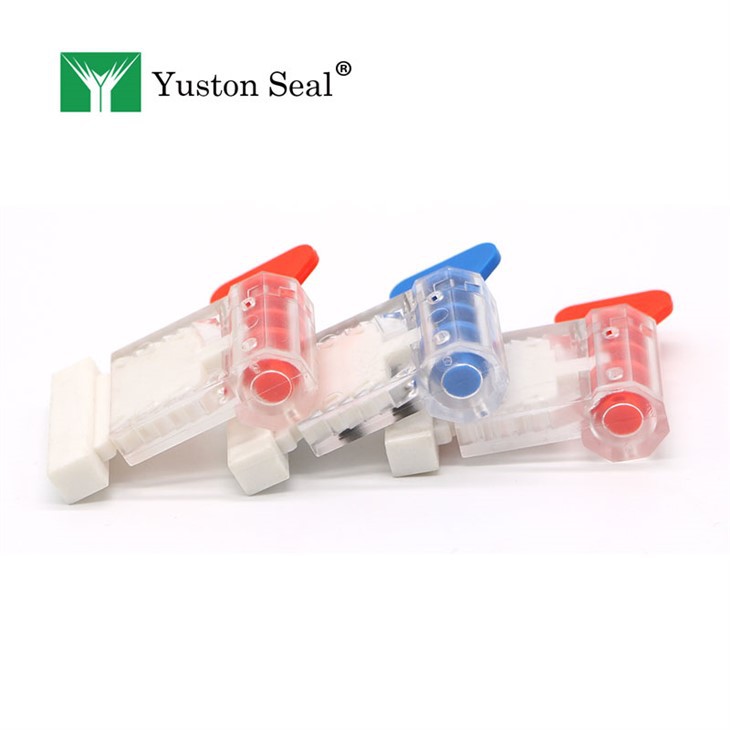
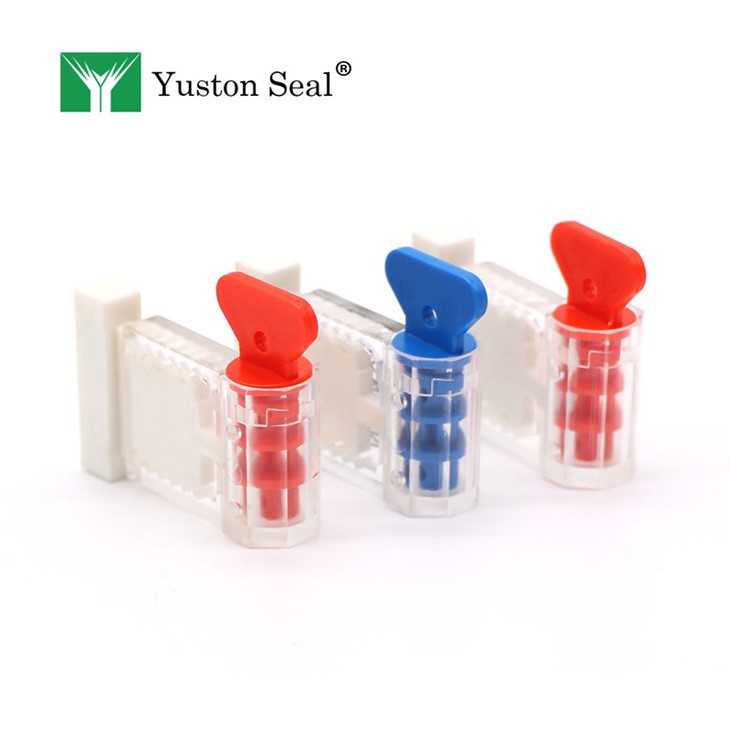
Plastic seals are usually easier to install. They often come in pre - assembled forms that can be quickly applied without the need for special tools. You can just snap them on or twist them into place, which can save a lot of time, especially when you have a large number of meters to seal.
Environmental Impact
Metal Seals
The production of metal seals has a relatively high environmental impact. Mining for the raw materials (such as iron, nickel, and chromium) can cause deforestation, soil erosion, and water pollution. Additionally, the manufacturing process consumes a significant amount of energy. However, metal is recyclable, which means that at the end of their useful life, metal seals can be melted down and reused to make new products.
Plastic Seals
Plastic production also has environmental implications. Many plastics are derived from fossil fuels, and their production contributes to greenhouse gas emissions. Some plastics are not biodegradable and can end up in landfills or the ocean, causing long - term environmental problems. However, there are now more and more biodegradable and recycled plastics available for seal production, which can help reduce the environmental footprint.
Conclusion
So, which one should you choose? Well, it depends on your specific needs. If you need high - strength, long - lasting, and high - security seals for harsh environments, metal seals are the way to go. On the other hand, if you're on a budget, need easy installation, and are in a low - risk environment, plastic seals are a great option.
As a security meter seals supplier, I'm here to help you make the right choice. Whether you're looking for a Barcode Twist Meter Seal, Electric Twist Meter Seal, or Wire Seals For Meters, we've got a wide range of products to meet your requirements. If you're interested in purchasing our security meter seals or have any questions about which type is best for you, don't hesitate to reach out for a procurement discussion.
References
- "Handbook of Seal Technology"
- "Security Seals: Types and Applications"
- "Environmental Impact of Metal and Plastic Manufacturing"