

The installation process for plastic security meter seals is a crucial aspect of ensuring the integrity and security of various metering systems. As a well - established supplier of security meter seals, I understand the importance of a proper installation process. This blog aims to provide a comprehensive guide on how to install plastic security meter seals effectively and also highlight the significance of such installations.
Understanding Plastic Security Meter Seals
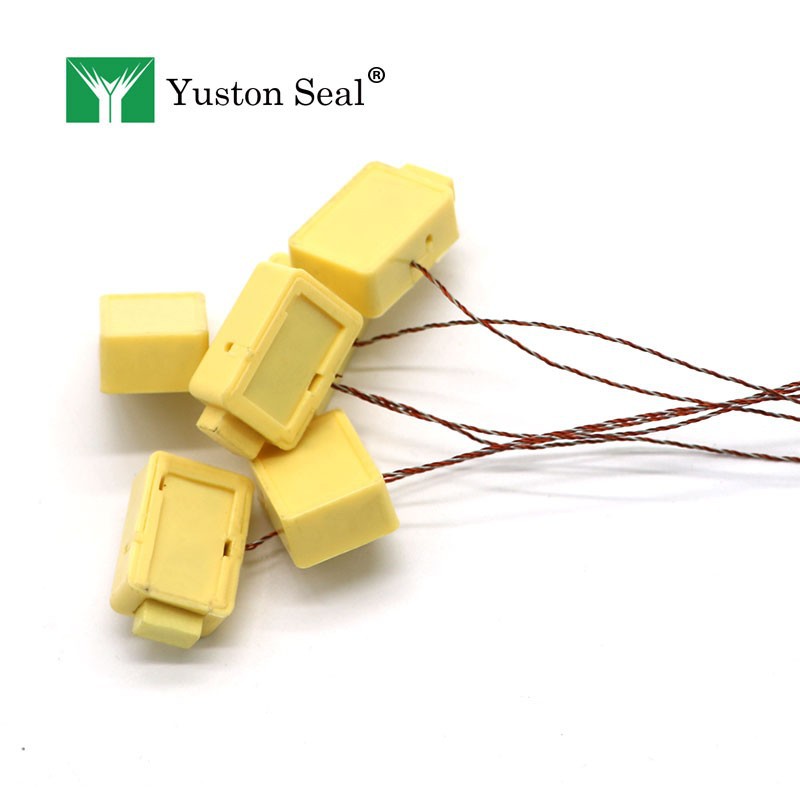
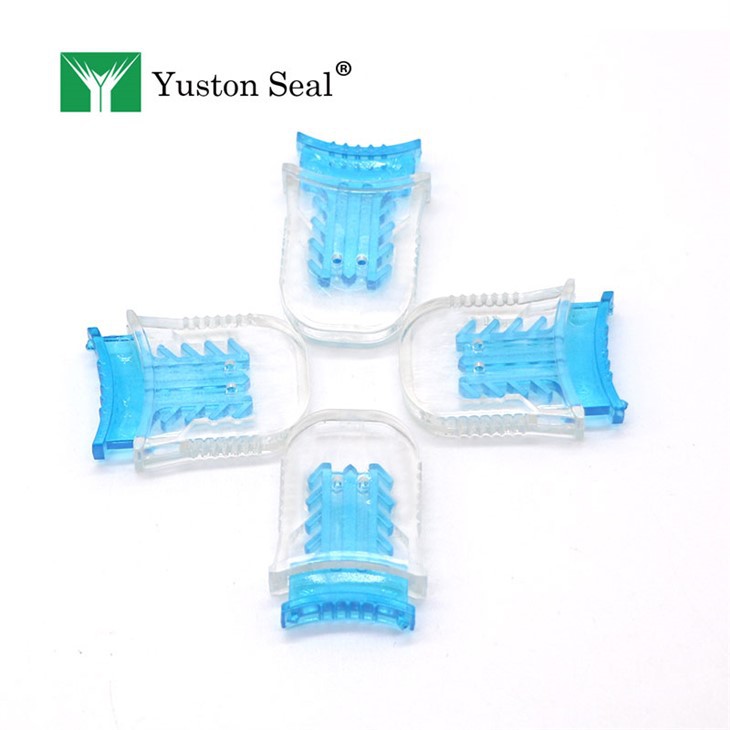
Plastic security meter seals come in various types and designs, each tailored to different applications and security requirements. Some common types include Plastic Meter Seal Lock, Barcode Twist Meter Seal, and Tamper Proof Meter Seals. These seals are made from high - quality plastic materials that offer durability and resistance to tampering.
Why Are Plastic Security Meter Seals Important?
Plastic security meter seals play a vital role in many industries, especially in utilities like electricity, gas, and water. They prevent unauthorized access to meters, which could lead to fraud, theft, or inaccurate readings. In the energy sector, for example, where meters measure the consumption of valuable resources, a compromised meter can result in significant financial losses for both service providers and consumers. By using reliable plastic security meter seals, companies can protect their assets and ensure fair billing practices.
Tools Required for Installation
Before starting the installation process, gather the necessary tools. These typically include a pair of scissors or a knife to trim the seal if required, and in some cases, pliers for a more secure fit. Ensure that the tools are clean and in good condition to avoid damaging the seal or the meter.
Pre - installation Inspection
Inspect the meter and the seal carefully before installation. Check the meter for any signs of damage or tampering. Look for cracks, loose parts, or any other irregularities. For the seal, examine it for any manufacturing defects such as broken tabs, misaligned markings, or weak points. If any issues are found with either the meter or the seal, do not proceed with the installation. Instead, contact the appropriate parties, such as the meter manufacturer or your seal supplier, for replacement.
Installation Steps for Different Types of Plastic Security Meter Seals
Plastic Meter Seal Lock
- Identify the Sealing Points: Determine the appropriate places on the meter where the plastic meter seal lock will be installed. Usually, these are areas that provide access to the internal components of the meter, such as the meter cover or the connection points.
- Prepare the Seal: Check if the plastic meter seal lock has any pre - attached parts, such as keys or locking mechanisms. Make sure they are functioning properly.
- Insert the Seal: Carefully insert the seal through the designated holes or slots on the meter. Align it correctly so that it fits snugly without any gaps.
- Lock the Seal: Once the seal is in place, activate the locking mechanism. This may involve turning a key, pushing a button, or twisting a part of the seal. Ensure that the lock is fully engaged and that the seal cannot be removed without force or breaking.
- Check the Lock: After locking, give the seal a gentle tug to confirm that it is securely in place. If it moves or feels loose, repeat the locking process.
Barcode Twist Meter Seal
- Determine the Placement: Find the best location on the meter for the barcode twist meter seal. This is often where it can be easily visible for identification and monitoring purposes.
- Insert the Seal: Pass the flexible part of the barcode twist meter seal through the holes or loops on the meter. Make sure that the barcode side is facing outwards for easy scanning.
- Twist the Seal: Once the seal is inserted, twist the locking end of the seal. The twisting action will lock the seal in place, preventing it from being pulled back through.
- Verify the Barcode: Use a barcode scanner or check manually to ensure that the barcode on the seal is legible and matches the corresponding records. Improperly scanned barcodes could lead to errors in tracking and monitoring.
Tamper Proof Meter Seals
- Inspect the Sealing Area: Look for clean, smooth surfaces on the meter where the tamper - proof meter seal can be attached. Remove any dirt, grease, or other contaminants that could affect the adhesion of the seal.
- Prepare the Seal: Some tamper - proof seals come with an adhesive backing. If this is the case, carefully peel off the protective layer from the adhesive.
- Apply the Seal: Align the seal with the designated area on the meter and press it firmly into place. Make sure that there are no air bubbles or wrinkles between the seal and the meter surface.
- Check for Tamper - Evidence Features: Tamper - proof seals often have special features such as void patterns or printed messages that are revealed if the seal is tampered with. Ensure that these features are intact and clearly visible after installation.
Post - installation Verification
After installing the plastic security meter seal, it is essential to perform a final verification. Check the seal for proper alignment, tightness, and visibility of any markings or barcodes. Also, record the seal number and any other relevant information, such as the installation date and the location of the meter. This information will be useful for future reference and auditing purposes.
Maintenance and Monitoring
Once the plastic security meter seals are installed, they should be regularly maintained and monitored. Periodically inspect the seals for signs of damage, wear, or tampering. If any issues are detected, replace the seals immediately. Additionally, keep a database of all installed seals, including their installation dates, locations, and inspection results. This will help in tracking the performance of the seals over time and ensuring overall security.
Conclusion
The installation process of plastic security meter seals is a multi - step procedure that requires attention to detail and a thorough understanding of the different types of seals. By following the proper installation steps, using the right tools, and conducting pre - and post - installation checks, you can ensure the effectiveness of these seals in protecting your metering systems.
As a supplier of security meter seals, I am committed to providing high - quality products and technical support to our customers. If you have any questions about the installation process, the types of seals available, or if you are interested in purchasing our products, please feel free to contact us for a detailed discussion. We are here to help you find the best security solutions for your metering needs.
References
- "Best Practices for Meter Seal Installation", Utility Industry Journal
- "Plastic Security Seal Technologies", Manufacturing and Technology Review